Optimal Fertilizer for Growing Caricature-plant: What You Need to Know
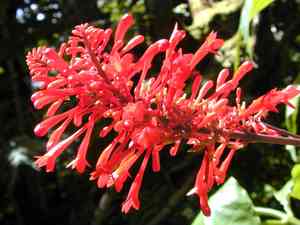
1
The Caricature-plant thrives with fertilization during its primary growth period, which occurs in the Summer.
2
Optimal for Caricature-plant are balanced fertilizers containing equivalent amounts of nitrogen, phosphorus, and potassium.
3
Refrain from excessive fertilization, as this can cause nutrient damage and adversely affect your plant's well-being.
Understanding Fertilizer Needs of Caricature-plant
Essential Nutrients for Caricature-plant
For your Caricature-plant to flourish, it requires a balanced intake of vital nutrients. These include nitrogen (N) for strong foliage development, phosphorus (P) for robust root growth, and potassium (K) for general well-being and disease resistance. This balanced nutrient supply helps your Caricature-plant maintain its vivid leaves and structural integrity.
Signs of Nutrient Deficiency in Caricature-plant
It's crucial to look for indications of nutrient deficiency, which might suggest your Caricature-plant needs feeding. Symptoms include yellowing foliage, stunted development, and leaves with brown edges or tips. Early recognition of these signs can help you address nutrient requirements promptly, allowing your plant to recover its health more quickly.
Choosing the Right Fertilizer for Caricature-plant
Types of Fertilizers Suitable for Caricature-plant
When selecting a fertilizer for your Caricature-plant, opt for balanced formulas, such as 10-10-10 or 20-20-20. These figures represent the nitrogen, phosphorus, and potassium ratio, ensuring your plant receives an even supply of all three key nutrients. Both liquid and slow-release granular fertilizers are excellent choices to consider.
Organic vs. Synthetic Fertilizers: Pros and Cons
The choice between organic and synthetic fertilizers depends on your specific requirements. Organic fertilizers, like compost or fish emulsion, enhance soil health and are eco-friendly but may act slower. Synthetic fertilizers, produced with precise nutrient ratios, offer rapid nutrient absorption and predictable outcomes but can accumulate salts in the soil over time. Weigh the advantages and disadvantages of each to decide which best suits your gardening methods.
How Often to Fertilize Caricature-plant
Fertilizing During Growth Seasons
The ideal time to fertilize your Caricature-plant is during its active growth period in the summer. Apply fertilizer every 4 to 6 weeks to support the plant's vigorous growth and development. This consistent schedule ensures your Caricature-plant receives the necessary nutrients without over-saturating the soil.
Reducing Fertilization in Dormant Periods
During inactive periods, such as winter, your Caricature-plant needs minimal to no fertilization as its growth significantly slows. Reducing fertilization during these times prevents nutrient accumulation in the soil, which can harm the plant's roots and overall health.
Applying Fertilizer to Caricature-plant
Step-by-Step Guide to Fertilizing Caricature-plant
Begin by thoroughly watering the soil around the plant to prepare it for fertilization.Measure the recommended amount of fertilizer according to the package instructions.Evenly spread the fertilizer around the plant's base, avoiding direct contact with stems and leaves.Gently mix the fertilizer into the topsoil to ensure it reaches the root zone.Water the plant again to help the nutrients penetrate the soil.
Common Mistakes to Avoid When Fertilizing Caricature-plant
Avoid these common errors to maintain your Caricature-plant's health:Over-fertilizing: Excessive nutrients can cause 'nutrient burn,' damaging the plant.Applying fertilizer to dry soil: This can lead to root damage.Ignoring the fertilizer instructions: Always adhere to the recommended dosage and frequency to prevent negative effects.
Monitoring Caricature-plant After Fertilization
Tracking Growth and Health Post-Fertilization
After fertilizing, it's essential to observe your Caricature-plant for changes in growth and health. Look for vibrant new growth and an overall lush appearance, indicating a positive response to feeding. Conversely, if you notice leaf discoloration, stunted growth, or plant wilting, re-evaluate your fertilization practice and adjust as needed.



