How to Overwinter Caricature-plant
1
The Caricature-plant is susceptible to frost and requires safeguarding from cold conditions.
2
Keep moisture levels in the air between 50-60% for best development in colder months.
3
Slowly move your Caricature-plant outside again to prevent shock from abrupt environmental changes.
Understanding the Caricature-plant's Needs During Winter
Understanding the Caricature-plant's Needs During Winter
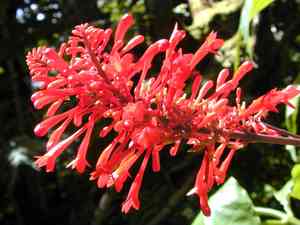
The Caricature-plant, recognized for its striking, variegated foliage and vivid patterns, enhances any garden or indoor setting. However, this tropical species is quite delicate when exposed to frost. As temperatures fall in the colder months, it's vital to comprehend the specific requirements of your Caricature-plant to guarantee its survival and flourishing by spring. In its natural habitat, it enjoys consistent warmth and humidity throughout the year. Thus, your main objective during winter is to replicate these conditions indoors as closely as possible.
What Are the Basic Requirements to Overwinter Caricature-plant?
Light Conditions
During winter, your Caricature-plant will not receive the same amount of sunlight as it does in summer. To compensate, position it in a location with bright, indirect illumination. If natural light is insufficient, consider employing grow lights for approximately 12-14 hours daily to simulate its preferred longer daylight periods.
Temperature Needs
Maintain your Caricature-plant in a room where temperatures consistently range between 18-24°C (65-75°F). Avoid placing it near drafty windows or heating vents that could cause temperature fluctuations. These plants are highly sensitive to cold, so ensure the temperature never drops below 15°C (59°F).
Humidity Levels
Humidity is essential for the Caricature-plant during winter. Aim to keep humidity levels around 50-60%. This can be achieved by using a humidifier or by placing the plant on a tray filled with water and pebbles. Regular misting can also be beneficial, but be cautious not to overdo it, as excessive moisture can lead to fungal problems.
How to Prepare Caricature-plant for Overwintering Indoors?
Inspecting for Pests
Before bringing your Caricature-plant indoors for the winter, thoroughly check it for pests. Examine under leaves and in the soil for indications of insects such as aphids, spider mites, or mealybugs. Address any infestations with appropriate insecticidal soap or neem oil.
Cleaning the Plant
Clean your plant to remove dust and potential pests. Gently wipe the leaves with a damp cloth and trim any dead or yellowing foliage. This not only benefits the plant but also ensures it looks its best indoors.
Adjusting Watering Schedule
As growth slows during winter, your Caricature-plant will require less water. Water only when the top inch (2.5 cm) of soil feels dry. Be careful not to overwater, as this can lead to root rot. Ensure the pot has good drainage to prevent water from accumulating at the bottom.
What Specific Care Does Caricature-plant Need During Winter?
Watering
Closely monitor soil moisture levels. Water your Caricature-plant thoroughly, but allow the soil to dry out slightly between waterings. This balance is crucial to prevent both insufficient and excessive watering.
Fertilizing
Your Caricature-plant doesn't require much fertilizer during the winter months as its growth slows. You can feed it with a balanced, water-soluble fertilizer at half strength once a month to maintain its optimal health.
Pruning
Lightly prune your plant to maintain its form and remove any dead or unhealthy growth. This helps the plant conserve energy and directs it towards healthy new growth. Always use clean, sharp scissors to avoid damaging the plant.
How to Transition Caricature-plant Outdoors After Winter?
Gradual Reintroduction to Outdoor Conditions
When spring arrives and temperatures consistently remain above 15°C (59°F) even at night, begin moving your Caricature-plant back outdoors. Start by placing it in a shaded, protected spot for a few hours daily, gradually increasing its exposure to direct light and outdoor conditions over a couple of weeks.
Monitoring for Stress Signs
Observe your plant for signs of stress, such as wilting or yellowing leaves, during the transition. If you notice any issues, return the plant to a more sheltered location and gradually re-expose it to the harsher conditions. This slow process helps prevent shock and ensures your Caricature-plant adapts healthily to its outdoor environment.



