How Much Sunlight Do Meadow crane's-bill Need?
1
Meadow crane's-bill flourishes optimally with a minimum of 6 hours of direct sun each day.
2
Some shade is fine, particularly during the warmest periods of summer.
3
Steady exposure to sunlight is crucial for strong development and plentiful blooms.
Optimal Sunlight for Meadow Crane's-bill
Full Sun vs. Partial Shade
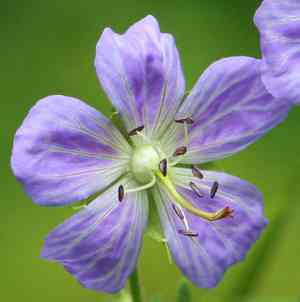
Meadow crane's-bill, admired for its charming blue blooms, flourishes with ample light. Full sun is generally preferred, meaning the plant needs at least 6 hours of direct sunlight daily. This exposure aids efficient photosynthesis, leading to vibrant flowers and robust foliage. However, it can endure partial shade, particularly in regions with very hot summers. Partial shade provides a mix of sun and shadow, protecting it from intense midday heat.
Seasonal Light Requirements
Like all flora, Meadow crane's-bill's light needs vary seasonally. During spring and autumn, when sun intensity is moderate, full sun exposure is ideal. In peak summer, some afternoon shade can prevent leaf scorch and keep the plant comfortable. Conversely, in winter, maximizing available sunlight is crucial due to shorter days and less intense light.
Meadow Crane's-bill Sunlight Duration Needs
Daily Sunlight Requirements
For peak development, Meadow crane's-bill should receive a minimum of 6 to 8 hours of direct sunlight daily. This duration supports lush foliage growth and ensures abundant, beautiful flowers. If your location lacks consistent sunlight, choose the brightest available spot to guarantee adequate light.
Meadow Crane's-bill Tolerance for Low Light
Low Light's Impact on Growth
While Meadow crane's-bill can survive in dim conditions, its growth and blooming will be significantly affected. In low light, the plant may appear spindly, weak, and sparse. Stems might stretch excessively as it seeks light sources. Such conditions can also result in fewer flowers, diminishing the plant's visual appeal.
Signs of Insufficient Sunlight
Indications of inadequate sunlight in Meadow crane's-bill include pale, yellowing leaves, stunted development, and sparse flowering. Additionally, the plant might exhibit a slow growth rate and general lack of vitality. If these symptoms appear, consider moving the plant to a brighter location or supplementing its light with artificial sources.
Maximizing Sunlight for Meadow Crane's-bill
Optimal Planting Locations
To maximize sun exposure, plant Meadow crane's-bill in a garden area that receives consistent sunlight throughout the day, such as the south or southwest side. Avoid placing it near tall trees or structures that might cast shadows.
Utilizing Reflective Mulch
Employing reflective mulch can boost the light reaching Meadow crane's-bill, especially in partly shaded areas. Reflective mulch redirects light from the ground upwards onto the plant, increasing the light available for photosynthesis.
Pruning for Enhanced Sun Exposure
Regular pruning prevents plants from becoming too dense, ensuring better air circulation and light penetration. Remove any overgrown or shaded branches to allow sunlight to reach the plant's lower sections, promoting even growth and flowering.
Artificial Light for Meadow Crane's-bill
Types of Artificial Lights
Yes, artificial light is a viable option for Meadow crane's-bill, particularly indoors or in low-light settings. The most effective artificial lights for plant growth are fluorescent and LED grow lights. These lights emit the full spectrum necessary for photosynthesis, mimicking natural sunlight.
Artificial Light Placement and Duration
When using artificial lights, position them approximately 12 to 18 inches (30 to 45 centimeters) above the plants. Generally, Meadow crane's-bill should receive 14 to 16 hours of artificial light daily to compensate for insufficient natural sunlight. A timer can help maintain a consistent light schedule, ensuring the plant remains healthy and thriving.



