How to Prune Meadow crane's-bill?
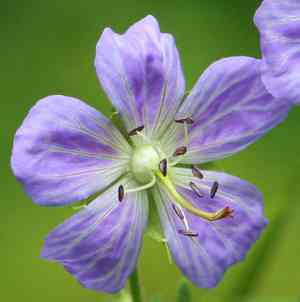
A robust perennial featuring violet-blue blossoms, meadow crane's-bill thrives in both fields and cultivated plots. Essential trimming includes removing faded flowers to stimulate additional blooming and reducing the plant after flowering to preserve a neat form. The most effective time for pruning is in spring to encourage fresh development and following the blooming period in summer. Pruning fosters strong growth and deters prolific self-propagation, which can be abundant in certain garden settings. Consistent trimming also aids in averting fungal infections by enhancing air movement among the leaves.
Advantages of Trimming Meadow Crane's-bill
Advantages of Trimming Meadow Crane's-bill
Trimming meadow crane's-bill promotes more robust development by stimulating fresh growth. It also assists in maintaining a compact shape, ensuring the plant remains visually appealing and well-formed within the garden setting.
Optimal Time for Trimming Meadow Crane's-bill
Optimal Time for Trimming Meadow Crane's-bill
For meadow crane's-bill, pruning in late spring to early summer is ideal as it coincides with the period after blooming. Trimming post-flowering encourages new growth and helps maintain a dense, vigorous form. This timing allows the plant to recover before winter dormancy, reducing stress and potential disease exposure. Additionally, removing spent flowers, or 'deadheading', encourages a second wave of blooms, enhancing the plant's aesthetic appeal and overall health.
Tools Required for Trimming Meadow Crane's-bill
Bypass Pruners
Perfect for making clean cuts on meadow crane's-bill, bypass pruners minimize damage to delicate stems and leaves. Their scissor-like action ensures precise cuts, crucial for maintaining the health of meadow crane's-bill.
Gardening Shears
Meadow crane's-bill's growth habit often involves numerous stems needing shaping or deadheading. Gardening shears offer a quick and effective way to trim larger sections of the plant simultaneously.
Pruning Snips
For more intricate, delicate tasks like deadheading individual flowers of meadow crane's-bill, pruning snips are excellent. They allow for precision without harming adjacent blooms or foliage.
Gloves
Although meadow crane's-bill is not particularly thorny or skin-irritating, wearing gloves can protect hands from accidental cuts or scrapes during the pruning process.
How to Trim Meadow Crane's-bill
Sanitize Tools
Before beginning, sterilize pruning shears and scissors by wiping blades with rubbing alcohol to prevent disease transmission to meadow crane's-bill.
Remove Diseased Foliage
Using scissors, carefully snip off any leaves showing disease symptoms, cutting at the base of the leaf stem to avoid harming healthy parts of meadow crane's-bill.
Trim Withered Leaves
Identify withered or dead leaves on meadow crane's-bill and trim them at the point where they meet healthy tissue, ensuring clean cuts to promote healing.
Cut Diseased Stems
If meadow crane's-bill has any diseased stems, use pruning shears to cut well below the affected areas, ideally above a healthy leaf node or lateral branch.
Clean Up
After pruning, clear and dispose of all removed plant material far from meadow crane's-bill to lessen the risk of disease spread, and re-sterilize the tools.
Common Trimming Errors with Meadow Crane's-bill
Excessive Pruning
Removing too much foliage or too many stems can stress meadow crane's-bill, impeding its ability to recover and thrive. Limit pruning to the removal of old, faded flower stems and damaged foliage.
Incorrect Cut Placement
Cutting too far from the node may leave a stub that could rot, attracting disease and pests. Similarly, cutting too close to a bud can damage it. Aim for a cut just above a leaf joint or bud.
Using Dull Implements
Dull pruning tools can cause jagged cuts or crush stems, leading to damage and disease. Always use sharp, clean tools for a precise cut.
Neglecting Deadheading
Failing to regularly remove spent flowers can reduce blooming as meadow crane's-bill may prioritize seed production over new flower growth.
Ignoring Diseased Material
Not properly disposing of diseased leaves or stems can spread pathogens throughout the garden, potentially infecting other plants. Remove and discard any diseased material immediately.
General Trimming Advice for Meadow Crane's-bill
Cutting Above Active Growth Points
Encourage new growth and branching by making cuts just above leaf joints or buds, ensuring they face outwards, promoting a more open plant form.
Deadheading to Extend Blooming
Meadow crane's-bill benefits from regular deadheading. After the initial flush of flowers fades, cut the spent blooms back to a healthy set of leaves to stimulate a second flowering.
Sanitizing Tools
Prevent disease spread by sterilizing pruning tools before and after use, especially when moving between plants.
Reshaping
After the main blooming period, meadow crane's-bill can be reshaped and tidied to maintain an attractive appearance. Cut back unruly stems and any foliage that has turned brown or shriveled.
Thin Crowded Areas
Improve air circulation and light penetration by thinning out crowded stems, particularly in the plant's center. This helps reduce the risk of diseases like botrytis, which thrives in dense, damp foliage.



