Enhancing Your Garden Design with the Meadow crane's-bill Plant: A Landscaping Guide
1
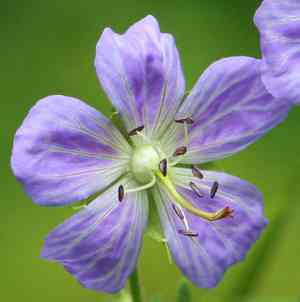
Geranium pratense brings vivid hues and aesthetic appeal to garden settings.
2
Caring for Geranium pratense involves adequate sunlight and particular irrigation requirements.
3
Geranium pratense offers versatile applications in diverse garden layouts, including edges and alpine gardens.
Exploring the Role of Meadow Crane's-bill in Garden Design
Discovering the visual appeal of Meadow Crane's-bill
A primary reason gardeners select Meadow Crane's-bill is its striking visual charm. Its vibrant blossoms can invigorate any garden area, fostering a lively and welcoming ambiance. The uniformity and richness of its hues make it a favorite among those aiming for a visually cohesive landscape. Whether tucked away in a garden nook or prominently featured along paths, Meadow Crane's-bill effortlessly boosts the aesthetic allure of outdoor spaces.
Advantages of integrating Meadow Crane's-bill into your garden areas
Meadow Crane's-bill offers more than just beauty. It provides numerous benefits, making it a valuable garden addition. For instance, it attracts beneficial insects like bees and butterflies, vital for pollination. Furthermore, it enhances biodiversity and thrives in various soil conditions, making it adaptable and simple to cultivate. Its perennial nature also ensures enduring beauty year after year with minimal upkeep.
Pairing Meadow Crane's-bill with other plants for a unified appearance
To achieve a harmonious garden setting, it's crucial to combine Meadow Crane's-bill with complementary plants. Consider pairing it with foliage plants or grasses that offer diverse textures and green shades. This contrast can heighten visual appeal and create a more dynamic garden. Additionally, planting Meadow Crane's-bill alongside other blooming plants of varying heights and colors can produce a layered, multi-dimensional look that is both captivating and balanced.
Seasonal considerations for planting Meadow Crane's-bill
Timing is vital when planting Meadow Crane's-bill to ensure optimal development and flowering. Typically, the best seasons for planting are spring and fall, when the weather is milder. Planting during these periods allows the plant to establish strong roots before the harsher conditions of summer or winter. It's also important to choose a planting site that provides the right balance of sun and shade, depending on your local climate.
Design Concepts Featuring Meadow Crane's-bill
Creating color contrasts with Meadow Crane's-bill's vivid blooms
The intense colors of Meadow Crane's-bill make it an excellent choice for generating striking color contrasts in your garden. Combine it with plants that have darker or lighter foliage to make its blooms stand out even more. For example, placing Meadow Crane's-bill next to dark green shrubs or silver-leaved plants can accentuate its vibrant shades, creating a visually stunning effect that draws the eye and adds depth to your landscaping.
Ideas for borders and edgings using Meadow Crane's-bill
Meadow Crane's-bill is ideal for borders and edgings due to its compact and neat growth habit. Planting it along garden paths, driveways, or the edges of flower beds can define these areas and give them a refined look. The continuous line of colorful blooms can form a picturesque boundary that guides the viewerâs gaze through the garden, enhancing the overall structure and layout of your landscape.
Incorporating Meadow Crane's-bill in rock gardens and naturalistic landscapes
For those who prefer a more rugged and natural garden aesthetic, Meadow Crane's-bill fits perfectly into rock gardens and rustic landscapes. The plant's resilience and ability to thrive in less-than-ideal soil conditions make it an excellent choice for these garden types. Nestling Meadow Crane's-bill among rocks and boulders allows its delicate blooms and foliage to soften harsh edges, creating a serene and balanced natural setting.
Innovative applications of Meadow Crane's-bill in contemporary garden designs
Modern garden designs often prioritize clean lines and simplicity, and Meadow Crane's-bill can be instrumental in achieving this look. Consider planting it in large, uniform groupings for a bold statement or integrating it into minimalist garden designs where its neat growth and vivid colors serve as focal points. Its versatility makes it easy to incorporate into various design styles, adding both beauty and modern appeal to your landscape.
Care Guidelines for a Thriving Meadow Crane's-bill in Your Landscape
Optimal sun exposure and soil conditions for Meadow Crane's-bill
To ensure your Meadow Crane's-bill flourishes, providing the correct growing conditions is essential. Ideally, it prefers a location with full sun to partial shade. Regarding soil, it thrives in well-draining soil with a neutral to slightly alkaline pH. Amending the soil with compost can improve its texture and fertility, promoting healthier growth and more abundant flowering.
Watering schedules tailored to Meadow Crane's-bill's requirements
Appropriate watering is crucial for the health of your Meadow Crane's-bill. While it's relatively drought-tolerant once established, maintaining consistently moist soil is important, especially during its initial growth. Water thoroughly at the base, allowing the soil to dry slightly between waterings. Over-watering can lead to root rot and other issues, so striking a balance that supports the plant's needs without causing harm is essential.
Managing common pests and diseases affecting Meadow Crane's-bill
Like all plants, Meadow Crane's-bill can be susceptible to pests and diseases. Common issues include powdery mildew and aphids. Regular inspection can help catch these problems early. Treatments like neem oil or insecticidal soap can manage pests, while proper spacing and airflow can reduce the risk of fungal diseases. Maintaining the plant's health through proper care practices is the best defense against these issues.
Pruning methods to encourage growth and blooming in Meadow Crane's-bill
Pruning is a vital part of maintaining Meadow Crane's-bill. Regular deadheading, or removing spent flowers, promotes continuous blooming throughout the season. In late fall or early spring, cutting back the foliage to ground level can help rejuvenate the plant and encourage vigorous new growth. Using clean, sharp pruning shears will ensure clean cuts and minimize the risk of disease entry.



