How Much Sunlight Do Greater fringed gentian Need?
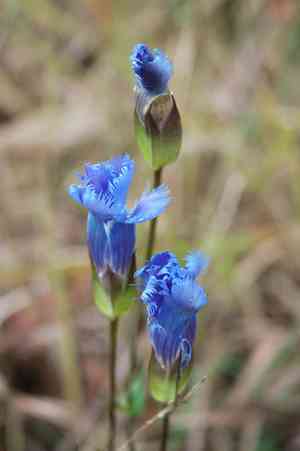
1
Greater fringed gentian flourishes optimally with partial sun exposure, requiring approximately 3 to 6 hours of daily sunlight.
2
Insufficient light can lead to wilting or inhibited development in the Greater fringed gentian.
3
Shield Greater fringed gentian from intense sun exposure to avoid leaf burn or sun damage.
Ideal Light Conditions for Greater fringed gentian
Full Sun vs. Partial Shade
The Greater fringed gentian is a lovely plant that adds vibrancy to any garden. For optimal growth, understanding its light requirements is crucial. This plant thrives in partial sun, meaning it needs a balance of direct light and shade. Ideally, Greater fringed gentian should receive 3 to 6 hours of sunlight daily. Too much direct sun can be detrimental, especially during the day's hottest period, making partial shade an excellent environment.
Daily Sunlight Hours
To provide the best light, aim for your Greater fringed gentian to get about 3 to 6 hours of sun each day. Morning light is typically gentler and less harsh, which is perfect for these plants. Placing them where they receive early light and then some afternoon shade can create optimal conditions for their development and flowering.
Impact of Insufficient Light on Greater fringed gentian
Indicators of Low Light
Insufficient light can show up in various ways. If your Greater fringed gentian isn't getting enough illumination, you might observe it becoming elongated, reaching for any available light source. Its leaves may start to droop or yellow, and flowering will be significantly reduced. Regularly checking for these signs can help you adjust the plant's lighting before it experiences severe stress.
Addressing Light Deficiency
If you notice your Greater fringed gentian isn't receiving adequate light, several steps can be taken to fix the issue. Begin by moving the plant to a brighter location where it can get the ideal 3 to 6 hours of sunlight. If relocation isn't feasible, consider pruning any overhanging branches or structures that might be casting too much shadow. Using reflective materials like white stones or garden tiles around the base can also boost the available light.
Positioning Your Greater fringed gentian for Optimal Light
Best Garden Placements
Selecting the correct garden spot is essential for your Greater fringed gentian's well-being. Look for areas that get morning sun and offer some protection in the afternoon. This balance ensures the plant receives sufficient light without getting scorched. East-facing locations are generally ideal, as they capture the soft morning rays and are shielded from the intense afternoon sun.
Utilizing Reflective Surfaces
Reflective surfaces can significantly enhance light exposure without the harshness of direct rays. Placing white stones, mirrors, or light-reflecting garden decor around your Greater fringed gentian can help direct light onto the plant, providing it with extra natural illumination. This method is especially useful in areas where direct sunlight is limited.
Seasonal Light Adjustments
Sunlight intensity and duration vary with the seasons, and your Greater fringed gentian may require different care throughout the year. During summer, be mindful of the strong sun and provide additional shade if needed. In winter, when daylight hours are shorter, moving the plant to a brighter spot can be beneficial. Shifting the plant slightly during different seasons can ensure it receives consistent and adequate sunlight year-round.
Can Greater fringed gentian Withstand Excessive Sunlight?
Heat Tolerance Levels
While the Greater fringed gentian can endure full sun to some degree, it has its limits. Extended exposure to intense sunlight and high temperatures can cause stress. The plant prefers moderate conditions where it can receive direct sunlight in the morning and protection from the midday heat.
Signs of Sunburn or Overexposure
Too much sunlight can lead to sunburn, appearing as brown or scorched patches on the leaves. The plant may also begin to wilt, and its growth can be stunted. If you observe these signs, it's a clear indication that your Greater fringed gentian is getting too much light.
Protection from Excessive Sunlight
To shield your Greater fringed gentian from too much sun, consider using shade cloths or garden umbrellas during peak sunlight hours. Mulching around the base can help maintain soil moisture, cooling the root zone. Regularly monitoring the plant during hot seasons and adjusting its light exposure as needed can ensure it stays healthy and thriving.



