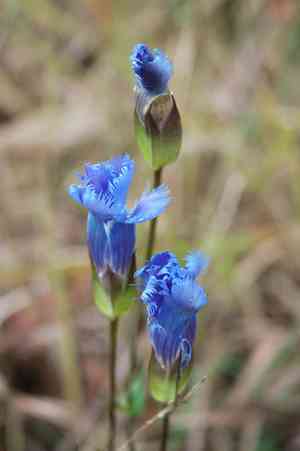
Greater fringed gentian (Gentianopsis crinita)
Also known as: Fringe gentian
The greater fringed gentian (Gentianopsis crinita) is a biennial herbaceous plant native to the eastern United States and Canada. It is known for its blue flowers that bloom in autumn. This plant gained recognition when William Cullen Bryant celebrated it in his 1832 poem "To the Fringed Gentian," highlighting its late blooming as a symbol of the year's end.
In This Article
Attributes of Greater fringed gentian
Lifespan
Biennial, Annual
Plant Type
Herb
Plant Height
30 cm to 76 cm
Spread
N/A
Leaf Color
Green
Flower Size
3 cm to 5 cm
Flower Color
Blue Purple
Images of Greater fringed gentian
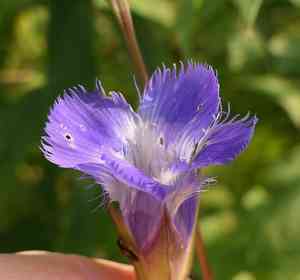
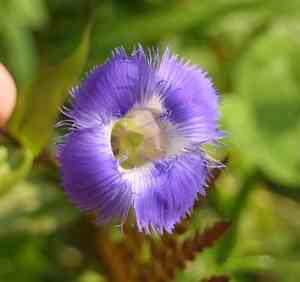
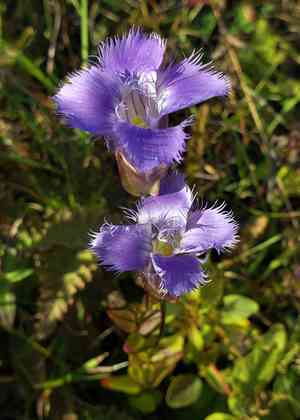
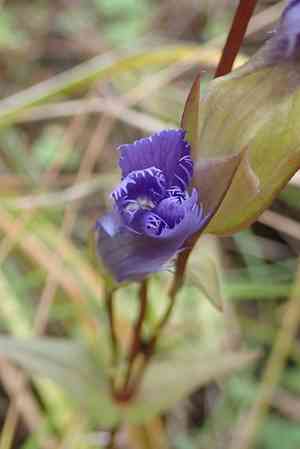
Quickly Identify Greater fringed gentian
1
Gentianopsis crinita can be identified by its bright blue, four-petaled flowers with fringed edges. The plant typically grows in moist, well-drained soils and flourishes in full sun to partial shade.
Scientific Classification of Greater fringed gentian
Phylum
Vascular plants
Class
Dicotyledons
Order
Gentianales
Family
Gentian
Genus
Fringed gentians
Species
Greater fringed gentian
Planting and Growing of Greater fringed gentian
Care Difficulty
Hard
Watering Schedule
Every 4 days
Sunlight Requirements
Partial sun
Sunshine Duration
4-8 hours
Ideal Temperature
60-75℉
Soil Type
Potting Mix, Peat Mix
Soil pH
6.5-7.5
Fertilizer Type
Balanced
Pruning Season
Spring, Summer
Pruning Area
Branches, Leaves
Pruning Frequency
2 times a year
Repotting Season
Spring
Pot Type
Plastic, Ceramic
 How to Water Greater fringed gentian?
Gentianopsis crinita, known for its striking fringed flowers, requires careful watering. Each watering session should provide around 100 ml of water, sufficient to moisten the soil while avoiding saturation. This amount ensures the roots receive adequate moisture without becoming waterlogged, promoting healthy growth.
What are the symptoms of an underwatered Greater fringed gentian?
›
What should I do if my Greater fringed gentian is not getting enough water?
›
What are the symptoms of an overwatered Greater fringed gentian?
›
How to save an overwatered Greater fringed gentian?
›
 What Are the Sunlight Requirements for Greater fringed gentian?
Gentianopsis crinita ideally benefits from partial to full sunlight, with 6 to 8 hours being optimal. Proper light exposure facilitates photosynthesis, ensuring vigorous growth and stunning flower displays.
More About Sunlight Requirements Techniques→
What are the ideal lighting conditions for Gentianopsis crinita?
›
How can I ensure Gentianopsis crinita receives the best lighting?
›
What are the benefits of optimal lighting for Gentianopsis crinita?
›
 What Is the Ideal Temperature Range for Greater fringed gentian?
The ideal temperature range for Gentianopsis crinita cultivation is between 60°F and 75°F. Maintaining this range ensures optimal growth and bloom. Temperatures outside this range can either slow growth or cause stress to the plant, affecting its overall health.
 What Soil is Best for Greater fringed gentian?
Gentianopsis crinita thrives in well-draining soils that prevent waterlogging. This ensures the roots receive ample oxygen, crucial for the robust growth and vibrant blooms characteristic of this delicate plant. Soil rich in organic matter supports the nutrient demands of Gentianopsis crinita. Incorporating organic compost enhances soil fertility, ensures a slow release of nutrients, and promotes healthy plant development. This plant prefers consistent soil moisture without being waterlogged. Regular watering while allowing the topsoil to dry slightly mimics the plant's natural habitat, ensuring lush foliage and healthy flowers.
 How to Fertilize Greater fringed gentian?
Gentianopsis crinita, also known as fringed gentian, requires a balanced approach to fertilization. Use a balanced 10-10-10 NPK liquid fertilizer at a concentration of 1 teaspoon per gallon of water, applied evenly across the root area. Ensure the soil is moist before application to avoid burning the roots.
 How to Prune Greater fringed gentian?
Begin by examining the plant to find any dead, diseased, or overlapping stems. Removing these will allow better air circulation and exposure to sunlight, benefiting overall plant health. Make your cuts at a slight angle instead of straight across. This aids in water runoff from the cut surface, which helps in healing and prevents fungal infections. Trim back any leggy growth to just above a leaf node. This encourages new buds to sprout and results in a fuller plant.
More About Pruning Techniques→
 How to Propagate Greater fringed gentian plant?
1
Collect seeds from mature Gentianopsis crinita plants in the fall when seed pods are dry. Make sure to select healthy-looking seeds for better germination rates.
2
Before planting, soak the seeds in warm water for a few hours to help break dormancy and increase germination rates. Some growers also recommend stratifying the seeds by chilling them for a few weeks.
3
Fill a seed tray with a well-draining potting mix, scatter the seeds on the surface, and press them lightly into the soil. Avoid covering them completely with soil, as some light exposure aids germination.
 How to Repot Greater fringed gentian plant?
1
Gentianopsis crinita should be repotted when you observe roots growing out of the drainage holes or when the soil becomes compacted. Early spring or early summer, when the plant shows new growth, is an ideal time to repot, allowing it to establish in its new pot before the growing season ends.
2
Select a pot that is just one size larger than the current one, with good drainage holes. A clay or terracotta pot is preferable as it facilitates good air circulation and prevents waterlogging, which helps maintain the delicate roots of the plant in optimal health.
3
Choose a well-draining peat-based mix that retains enough moisture without becoming waterlogged. This type of soil mimics the plant’s natural habitat, enriching growth and allowing roots to expand freely.
Learn More About Greater fringed gentian Diseases
Anthracnose
Bacterial Leaf Spot
Bacterial Wilt
Crown Gall
Cyst Nematode
Damping-off
Downy Mildew
Drought Stress
Fusarium Wilt
Gray Mold
Leaf Spot
Mosaic
Nutrient Deficiency
Nutrient Toxicity
Powdery Mildew
Root Rot
Root-knot Nematode
Rusts
Sooty Mold
Spider Mites
Temperature Stress
Thrips Damage
White Mold



