How Much Sunlight Do Downy gentian Need?
1
Downy gentian requires a minimum of 6 hours of direct sun each day to thrive.
2
It can endure some shade, but full sun is favored for the most vibrant flowers.
3
Consistently observe your plant to confirm it receives an appropriate amount of light.
What Are the Best Light Conditions for Downy gentian?
Full Sun Requirements
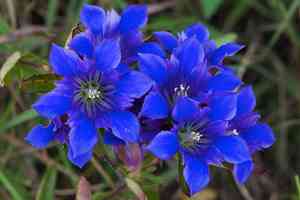
For Downy gentian to flourish, it needs complete sunlight, meaning at least 6 hours of direct sun daily. This plant thrives when exposed to morning sun and tolerates strong afternoon rays. Full sun promotes vigorous growth, vibrant leaves, and its characteristic blue flowers.
Partial Shade Conditions
While Downy gentian prefers full sun, it can endure partial shade. In such settings, where it gets 3-6 hours of direct sun followed by filtered or indirect light, it might not bloom as profusely. However, this adaptable plant will still grow healthily if it receives a good amount of daily sunlight.
How to Choose the Correct Spot for Downy gentian
Evaluating Your Garden Layout
Begin by surveying your garden area. Pinpoint spots that receive consistent sunlight throughout the day and observe how shadows from structures and trees shift. Position Downy gentian where it gets ample morning sun and remains illuminated through early afternoon. Avoid locations where taller plants or buildings obstruct the sun.
Understanding Local Climate and Microclimates
Knowing your regional climate and microclimates is vital. In areas with intense summers, ensure Downy gentian gets some shade during the hottest part of the day to prevent overheating. Conversely, in cooler climates, seek out the sunniest spots in your garden to compensate for reduced light levels.
Advice for Ensuring Downy gentian Receives Optimal Sunlight
Utilizing Sun Maps
A sun map can be transformative for garden planning. These maps illustrate how sunlight moves across your garden throughout the day and seasons. By using a sun map, you can identify the brightest spots for your Downy gentian and adjust plant placements accordingly.
Seasonal Sunlight Fluctuations
Seasonal changes can significantly impact sunlight availability. In summer, the sun is higher, and Downy gentian can enjoy extended daylight hours. During winter, the sun is lower, and daylight hours shorten. Be ready to relocate potted plants or modify garden layouts seasonally to maintain ideal light conditions.
Indicators of Excessive or Insufficient Sunlight
Monitoring your plant's health is crucial for determining if it's getting the right amount of sunlight. Signs of too much sun include scorched leaves, wilting during peak sun, and faded flower colors. Too little sun can lead to leggy growth, fewer blooms, and dull foliage. Adjust its position based on these observations to keep your Downy gentian healthy and vibrant.



