How to Prune Downy gentian?
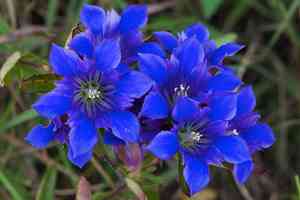
A perennial featuring bell-shaped flowers, downy gentian thrives with limited trimming. Remove faded blooms to encourage additional flowering and preserve its appearance. Pruning is primarily recommended in spring and summer to eliminate compromised or lifeless stalks and to sculpt the plant. This practice fosters robust development and enhances air circulation. Excessive pruning must be avoided to prevent undue strain on downy gentian. Strategic trimming boosts vigor, guaranteeing abundant blossoms in the subsequent growing period.
Advantages of Trimming Downy Gentian
Advantages of Trimming Downy Gentian
Trimming downy gentian promotes robust development and helps maintain its desired form. Consistent cutting can stimulate new growth, resulting in a denser and more resilient plant. By selectively trimming downy gentian, gardeners can also shape the plant for a more visually appealing look.
Optimal Time for Pruning Downy Gentian
Optimal Time for Pruning Downy Gentian
Pruning downy gentian in either spring or early summer aligns with the plantâs active growth phase, promoting better wound recovery and growth response. After winter, in early spring, gardeners can safely remove dead or damaged stems without impacting future blooms. Trimming during early summer, following the initial flowering, helps maintain plant shape and vigor by encouraging bushier growth and potentially a second bloom. Avoiding pruning in late summer, fall, or winter is crucial as it can disrupt downy gentian's natural preparation for dormancy and may reduce its resilience during the cold season.
Tools Required for Pruning Downy Gentian
Bypass Pruners
Perfect for making precise cuts on downy gentian's delicate stems, ensuring minimal harm to the plant while preserving its shape and encouraging healthy development.
Gardening Scissors
Suitable for deadheading or accurately removing faded blooms of downy gentian without affecting nearby stems or flowers.
Fine Snips
Useful for thinning downy gentian, especially for removing small or crowded shoots to enhance air circulation and decrease the risk of disease.
How to Prune Downy Gentian
Sanitize tools
Before pruning downy gentian, sterilize pruning tools using a bleach and water solution or rubbing alcohol to prevent disease transmission.
Identify areas
Inspect downy gentian to pinpoint parts needing pruning, such as diseased leaves, withered leaves, and diseased stems. Look for signs of discoloration, lesions, or abnormal growth.
Prune diseased leaves
Use clean, sharp scissors or pruning shears to carefully remove any diseased leaves from downy gentian. Make clean cuts at the base of the leaf stem, being careful not to harm surrounding healthy tissue.
Remove withered leaves
Prune away withered leaves from downy gentian by cutting them at the base near the stem or the ground. This helps direct the plant's energy to healthier growth.
Take off diseased stems
Cut back any diseased stems on downy gentian, removing them to a point of healthy tissue well below the affected area. Ensure cuts are clean to facilitate quick healing and reduce infection chances.
Common Pruning Errors with Downy Gentian
Excessive pruning
Over-pruning downy gentian can significantly hinder its ability to thrive. Removing too much foliage can stress the plant, leading to fewer blooms or weakened vitality.
Incorrect cutting technique
Using dull or dirty pruning tools can damage downy gentian stems, potentially leading to irregular growth patterns or introducing diseases.
Pruning for shape over health
Focusing on creating a specific shape rather than prioritizing downy gentian's health can lead to excessive foliage removal, which is detrimental to its overall well-being.
Neglecting deadheading
Failing to remove spent flowers from downy gentian can result in wasted energy on seed formation instead of next season's growth and bloom.
General Pruning Advice for Downy Gentian
Correct tools
Use clean, sharp secateurs or pruning shears specifically designed for delicate stems to make clean cuts that will heal quickly, thus minimizing stress on downy gentian.
Minimal pruning
Limit downy gentian pruning to the removal of dead or diseased tissue to encourage healthy growth and abundant flowering, as this plant prefers minimal interference.
Deadheading
Regularly deadhead spent blooms on downy gentian to encourage more vibrant and prolonged flowering periods while also focusing the plantâs energy on healthy growth.
Healthy tissue
Ensure that any cuts made are just above a leaf node or a set of leaves to promote new healthy growth for downy gentian, without unnecessarily cutting into healthy tissue.



