The Downy gentian Plant Advantage: Maximizing Home and Office Appeal and Wellness
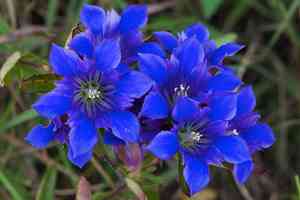
1
Downy gentian improves regional ecosystems by drawing in helpful insects.
2
This flora is recognized for its striking deep blue blossoms.
3
Downy gentian tolerates dry conditions and flourishes in grassland environments.
What Makes Downy gentian Special?
Aesthetic Appeal
A key characteristic of Downy gentian is its vivid cobalt-blue blossoms. These flowers are not only visually striking but also introduce a distinct burst of color to any landscape. The plant's visual charm makes it a favored option for gardeners and nature lovers alike. Whether placed in a garden, alongside a path, or in a naturalized setting, its captivating hues are sure to draw attention and complement other vegetation.
Ecological Benefits
Downy gentian plays a vital role in supporting local ecosystems. Its blooms attract various beneficial insects, including bees and butterflies, which are crucial for pollination. This aids in the reproduction of nearby plants and fosters biodiversity. Furthermore, the plant is quite drought-resistant, making it an excellent choice for prairie habitats where water can be scarce. Its deep root system helps stabilize soil and prevent erosion, thus contributing to environmental preservation.
How Does Downy gentian Support Wildlife?
Attracting Pollinators
A prominent feature of Downy gentian is its capacity to draw in pollinators. The plant's vibrant flowers act as a beacon for bees, butterflies, and other pollinating insects. These creatures are essential for the pollination of numerous plants, thereby ensuring the health and sustainability of various ecosystems. By cultivating Downy gentian, you help create a pollinator-friendly environment, which is increasingly important given the declining populations of these vital insects.
Providing Food and Habitat
Beyond pollinators, Downy gentian also offers sustenance and shelter for other wildlife. The nectar and pollen from its flowers serve as food sources for insects, while birds and small mammals may use the plant for refuge. This establishes a miniature ecosystem within your garden, supporting diverse forms of life and contributing to the overall health of biodiversity.
Can Downy gentian Be Used for Landscaping?
Versatility in Garden Design
One of the most appealing qualities of Downy gentian is its adaptability in garden design. The plant can be incorporated into various landscaping styles, from formal gardens to naturalized areas. Its beautiful flowers make it ideal for borders, rock gardens, or even as a focal point in a flower bed. Due to its drought tolerance, it is also suitable for xeriscaping, which emphasizes water-efficient landscaping.
Low Maintenance
Another significant benefit of Downy gentian is its minimal maintenance requirements. Once established, the plant needs little care, making it an excellent choice for novice gardeners or those seeking to reduce their gardening workload. It is resistant to many common pests and diseases, and its ability to thrive in less-than-ideal soil conditions makes it a resilient addition to any garden.
Why Choose Downy gentian for Prairie Restoration?
Adaptability to Harsh Conditions
Downy gentian is particularly well-suited for prairie restoration projects due to its ability to adapt to challenging conditions. Prairies often face issues like poor soil quality and limited water availability. The deep root system of Downy gentian allows it to access water and nutrients from deeper soil layers, enabling it to survive and flourish even in tough environments. This resilience makes it an invaluable component of prairie restoration efforts.
Enhancing Soil Health
Furthermore, Downy gentian contributes to improving soil health. Its root system aids in aerating the soil, facilitating the movement of air, water, and nutrients. This enhanced soil structure benefits other plants in the area, promoting a more robust and diverse plant community. Additionally, its presence can help deter invasive species, allowing native plants to reestablish themselves and thrive.
Is Downy gentian Easy to Grow?
Growing Conditions
Cultivating Downy gentian is relatively straightforward given the appropriate conditions. The plant prefers full sunlight and well-draining soil. While it can tolerate various soil types, it thrives best in sandy or loamy soils. If you are planting Downy gentian from seeds, it's important to stratify them by exposing them to a cold period to ensure successful germination. Transplanting young plants during spring or fall can also be effective.
Care Tips
Once established, Downy gentian requires minimal care. Regular watering is essential during the initial growth phase, but once the plant is established, it becomes drought-tolerant. Pruning is not usually necessary, but removing spent flowers can encourage new blooms and keep the plant looking neat. Fertilization is not typically needed, but a light application of compost can be beneficial during the growing season.



