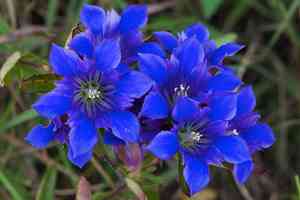
Downy gentian (Gentiana puberulenta)
Also known as: Downy Gentian
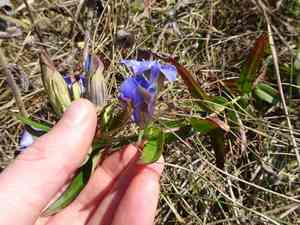
The downy gentian (Gentiana puberulenta) captivates bees with its striking blue to violet flowers, which are low-growing and tubular in shape. These flowers often close up during nighttime or cloudy conditions. The vibrant blooms stand out against the plant's glossy, dark green leaves, making them even more appealing to bees by providing a visually attractive contrast.
In This Article
Attributes of Downy gentian
Lifespan
Perennial
Plant Type
Herb
Plant Height
20 cm to 46 cm
Spread
30 cm
Leaf Color
Green
Flower Size
3.5 cm to 6 cm
Flower Color
Purple Blue
Images of Downy gentian
Quickly Identify Downy gentian
1
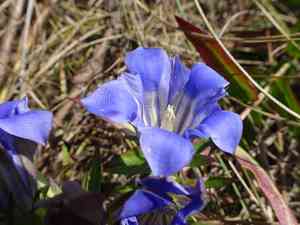
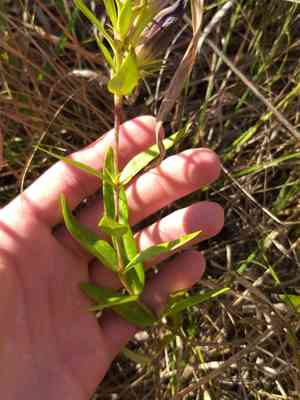
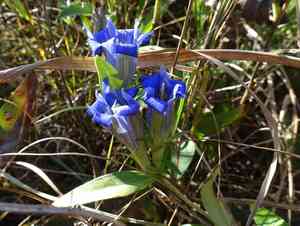
Downy Gentian can be identified by its lance-shaped leaves, which are opposite and have a rough texture due to small hairs. The flowers are tubular, typically a vivid blue to deep purple, and open in the late summer to fall.
Scientific Classification of Downy gentian
Phylum
Vascular plants
Class
Dicotyledons
Order
Gentianales
Family
Gentian
Genus
Gentian
Species
Downy gentian
Planting and Growing of Downy gentian
Care Difficulty
Easy
Watering Schedule
Every 2 days
Sunlight Requirements
Full sun
Sunshine Duration
4-8 hours
Ideal Temperature
60-75℉
Soil Type
Potting Mix, Peat Mix
Soil pH
6.5-7.5
Fertilizer Type
Balanced
Pruning Season
Spring, Summer
Pruning Area
Branches, Leaves
Pruning Frequency
2 times a year
Repotting Season
Spring
Pot Type
Plastic, Ceramic
 How to Water Downy gentian?
Gentiana puberulenta prefers relatively dry conditions between waterings. When you water, it's crucial to ensure the soil is evenly moist but not waterlogged. Aim to water this plant with about 250 milliliters of water each time, ensuring that the excess drains well, preventing root rot.
What are the symptoms of an underwatered Downy gentian?
›
What should I do if my Downy gentian is not getting enough water?
›
What are the symptoms of an overwatered Downy gentian?
›
How to save an overwatered Downy gentian?
›
 What Are the Sunlight Requirements for Downy gentian?
Gentiana puberulenta thrives when exposed to full sun to partial sun, benefiting from the energy that sustains its growth cycles and accentuates its blooming capacity.
More About Sunlight Requirements Techniques→
What is the optimal amount of sunlight needed?
›
How can you ensure the plant receives ideal light?
›
Benefits of receiving ideal lighting conditions.
›
 What Is the Ideal Temperature Range for Downy gentian?
For optimal growth, Gentiana puberulenta thrives in temperature ranges between 60°F to 75°F. These moderate temperatures promote healthy foliage and flowering. Maintaining this range ensures that the plant's metabolic processes function efficiently, supporting its growth and overall vitality.
 What Soil is Best for Downy gentian?
Gentiana puberulenta requires well-drained soil to prevent standing water around the roots, which can lead to root rot. This kind of soil supports healthy root development, leading to a robust plant. The plant thrives in moderately fertile soils that offer essential nutrients without overwhelming the plant. Balance in fertility supports steady growth and vibrant blossoms. Though well-drained, the soil should retain enough moisture to keep the plant hydrated, particularly during dry spells, ensuring sustained growth and resilience against drought.
 How to Fertilize Downy gentian?
For Gentiana puberulenta, it's essential to apply a balanced fertilizer at a concentration of about 5 grams per liter of water for liquid fertilizers. Ensure you're not over-fertilizing to avoid nutrient burn. For slow-release granular fertilizers, use approximately 50 grams per square meter spread evenly over the root area.
 How to Prune Downy gentian?
Begin by removing any dead, diseased, or damaged stems. This critical step prevents the spread of disease and allows the plant to focus energy on healthy growth. Next, shape the plant by carefully trimming back any overgrown branches. Aim for a balanced, aesthetically pleasing shape while ensuring good air circulation between the stems. To encourage a bushier growth habit, pinch back the tips of gentian regularly. This practice promotes the development of lateral buds and deters the plant from growing leggy.
More About Pruning Techniques→
 How to Propagate Downy gentian plant?
1
To propagate using seeds, prepare a seed tray with a well-draining potting mix. Sow the seeds evenly on the surface and cover them lightly with soil. Water lightly and place the tray in a warm, well-lit location to encourage germination.
2
Select healthy roots from a mature plant. Cut the roots into 2-3 inch sections using a clean, sharp knife. Plant the root sections in a well-draining medium, ensuring that the orientation of the roots is correct, with the top just below the surface.
3
To divide mature plants, carefully lift the plant from the soil and gently separate the root clumps using your hands or a knife. Ensure that each division has a portion of roots and shoots, and replant them in suitable soil conditions.
 How to Repot Downy gentian plant?
1
Look for signs that your Gentiana puberulenta needs repotting: roots emerging from the drainage holes, the plant appearing top-heavy, or soil that dries out quickly despite regular watering. All these indicate it's time to give it more room.
2
Select a pot that is just one size larger than the current one to avoid waterlogging risks. A good choice is a pot with adequate drainage holes, which promotes healthy root growth by preventing water from sitting at the bottom.
3
Opt for a well-draining, sandy loam soil mix. This particular soil type maintains sufficient moisture for roots to draw upon but ensures excess water doesn't lead to root rot, providing the perfect medium for your plant's thriving.
Learn More About Downy gentian Diseases
Anthracnose
Bacterial Leaf Spot
Bacterial Soft Rot
Bacterial Wilt
Crown Gall
Cyst Nematode
Damping-off
Downy Mildew
Drought Stress
Fusarium Wilt
Gray Mold
Leaf Spot
Mosaic
Nutrient Deficiency
Nutrient Toxicity
Powdery Mildew
Root Rot
Root-knot Nematode
Rusts
Sooty Mold
Spider Mites
Temperature Stress
Thrips Damage
White Mold
Chemical Injury



