How Much Sunlight Do Seaside daisy Need?
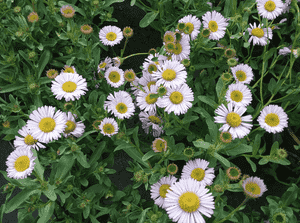
1
The Seaside daisy thrives in abundant sunlight but can endure some dappled light.
2
Strive for a minimum of 6 hours of unfiltered sun daily to encourage robust development.
3
Periodic modifications might be required to accommodate the plant's changing light requirements.
Understanding the Sunlight Needs of the Seaside daisy
Why Sunlight is Crucial for Seaside daisy Growth
Sunlight is essential for the Seaside daisy's photosynthesis. This process transforms light energy into chemical energy, which nourishes the plant. Without sufficient sunlight, your Seaside daisy may struggle to generate the energy needed for healthy growth, blooming, and overall vigor. Like most flowering plants, the Seaside daisy depends on sunlight to achieve its full size and flower production.
Ideal Sunlight Conditions for the Seaside daisy
Full Sun vs. Partial Shade: What Works Best?
The Seaside daisy thrives best in full sun, meaning it should receive a minimum of 6 hours of direct sunlight daily. However, it can endure partial shade, particularly in hotter climates where excessive sun might overheat the plant. If cultivating Seaside daisies in a garden with both sunny and shaded areas, select a spot where the plant gets ample morning sun and some afternoon shade to avoid the harshest rays.
Seasonal Variations in Sunlight Requirements
The amount of sunlight your Seaside daisy needs can vary with the seasons. During spring and summer, when days are longer, the plant will benefit from over 6 hours of sunlight. Conversely, during the shorter days of fall and winter, you might need to ensure the plant receives as much light as possible, either by optimizing its garden location or even using artificial grow lights if grown indoors.
How to Ensure Your Seaside daisy Gets Enough Sunlight
Choosing the Right Location in Your Garden
Where you plant your Seaside daisy is critical for meeting its light requirements. Ideally, select a garden spot that receives direct sunlight for most of the day. A south-facing position is often the best choice. Avoid planting the Seaside daisy near taller plants or structures that might cast shadows over it for prolonged periods.
Using Reflective Mulch or Surfaces
Another method to maximize sunlight for your Seaside daisy is by utilizing reflective mulch or surfaces around the plant. Reflective mulches like aluminum or white plastic can bounce sunlight back onto the plant, ensuring it gets even more light. Additionally, placing reflective surfaces such as light-colored stones or mirrors nearby can help to increase the amount of light your plant receives.
Signs Your Seaside daisy Needs More or Less Sunlight
Identifying Symptoms of Sunlight Deficiency
If your Seaside daisy isn't receiving enough sunlight, it will display signs such as elongated growth, reduced flowering, and pale or yellowing leaves. These symptoms indicate that the plant is stretching to find more light and isn't producing the energy needed for vigorous growth.
Recognizing the Effects of Excessive Sunlight
Conversely, too much sunlight, especially during intense afternoon hours, can scorch the leaves of your Seaside daisy. Look for signs such as brown, crispy leaf edges or wilting during the day's heat. If you observe these signs, consider providing some shade during peak sun periods.
FAQs about Seaside daisy Sunlight Requirements
Can Seaside daisy Survive in Low-Light Conditions?
While the Seaside daisy prefers full sun, it can tolerate partial shade. However, it is not ideal for them to be in low-light conditions for extended periods. The plant may survive but will likely show reduced growth and fewer blooms.
How Many Hours of Sunlight are Optimal?
For optimal growth, aim for your Seaside daisy to receive at least 6-8 hours of direct sunlight daily. This amount of sunlight ensures that the plant can perform photosynthesis effectively, leading to vibrant growth and abundant blooms.



