How to Propagate Seaside daisy?
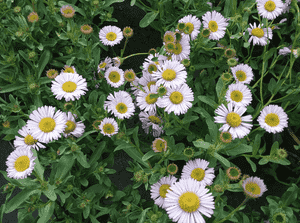
Originating from coastal cliffs, seaside daisy is a perennial plant that flourishes in adequately draining soil with average humidity. To propagate, collect semi-hardwood cuttings during the summer season. Select robust, non-blooming stems and cut 3-4 inch sections. Submerge the severed end in rooting compound and embed in a blend of sand and peat for superior root formation. Verify that the container offers ample drainage and maintain consistent soil moisture, avoiding saturation. Diffused light is preferable, and once roots are established, carefully relocate to their intended spots.
Optimal Period for Seaside Daisy Propagation
Propagation Method
Cutting
Propagation Period
Spring,Summer
Tools for Seaside Daisy Propagation
Sharp pruning shears
These are vital for making clean, precise cuts on seaside daisy stems. Quality shears ensure a smooth cut, preventing tissue damage, which is key for avoiding infection and promoting healthy root development during propagation. Their sharpness minimizes harm to the parent plant, aiding faster recovery.
Rooting hormone powder
This product encourages root formation from seaside daisy cuttings. Applying rooting hormone to the cut stem end significantly boosts the chances of successful root development, thereby improving the overall efficiency of the propagation process. It contains crucial compounds that accelerate root cell creation.
Sterile potting mix
A high-quality, sterile potting mix offers a safe and nutrient-rich environment for seaside daisy cuttings to establish. This blend typically includes components like peat, perlite, and vermiculite, which maintain moisture balance and provide essential aeration for root growth.
Small pots or trays
These containers are used for planting the prepared cuttings. They must be clean and have adequate drainage to prevent waterlogging, which could lead to root rot in seaside daisy cuttings. The size of the pots or trays ensures that the delicate new roots have sufficient space to grow without being overwatered.
Plastic dome or cover
This item creates a humid environment around newly planted seaside daisy cuttings. Maintaining high humidity levels around the cuttings helps prevent water loss and stress, thereby increasing the likelihood of successful rooting and initial growth.
How to Propagate Seaside Daisy?
Propagation Type
Easy
Caring for Your Newly Propagated Seaside Daisy
Caring for Your Newly Propagated Seaside Daisy
Once the seaside daisy has developed roots and shows signs of new growth, gradually acclimate it to less humid conditions by removing the covering. Keep the soil consistently moist, and provide bright, indirect sunlight with good air circulation to encourage growth. As the plant matures, transition to standard seaside daisy care, including regular watering, monthly fertilization during the growing season, and occasional pruning to maintain shape and promote bushier growth.
Common Propagation Errors to Avoid with Seaside Daisy
Overwatering
Excessive moisture can cause root rot for seaside daisy, which thrives in well-draining soil.
Deep planting
Planting seaside daisy cuttings too deeply can hinder root initiation and shoot growth, as they need light for photosynthesis and proper development.
Neglecting to remove lower leaves
Failing to remove the lower leaves of seaside daisy cuttings before planting can lead to decay, which may spread to the entire cutting and impede rooting.
Excessive use of fertilizer
Over-fertilizing can harm the delicate root systems of seaside daisy, especially during the initial stages of propagation.
Ignoring pest control
Ignoring potential pests can result in infestations that compromise seaside daisy's health, affecting the plant's ability to establish and grow.
Tips For Propagating Seaside Daisy
Stem cuttings during active growth
Using healthy stem cuttings when seaside daisy is actively growing ensures a higher success rate due to the plantâs natural growth hormones being more abundant.
Well-draining growing medium
Propagating seaside daisy in a well-draining medium prevents waterlogging and promotes healthy root development.
Indirect light
Placing seaside daisy cuttings in bright, indirect light encourages rooting without the risk of scorching the tender new growth.
Appropriate humidity
Maintaining high humidity around seaside daisy cuttings supports moisture retention for leaves, aiding the rooting process without soil saturation.
Gentle handling
Carefully handling seaside daisy cuttings preserves the delicate tissues, increasing the likelihood of successful rooting and growth.



