How to Prune Seaside daisy?
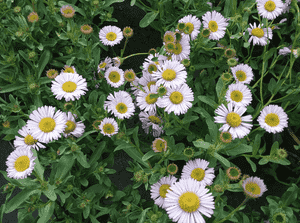
A resilient perennial recognized for its daisy-like blossoms and resilience in coastal environments, seaside daisy flourishes with little upkeep. Trim to eliminate faded blooms and preserve its form, fostering denser development and successive flowering. Removing spent flowers after the initial flush can encourage a subsequent bloom. Ideal trimming can be carried out throughout the year, although it's advisable to refrain from extensive pruning in late autumn to avert damage prior to winter. Consistent light trimming benefits seaside daisy by stimulating robust, energetic growth and elevating its aesthetic value.
What Are the Benefits of Pruning Seaside Daisy?
What Are the Benefits of Pruning Seaside Daisy?
Trimming seaside daisy promotes abundant flowering, revitalizes growth, and maintains a tidy, compact shape. This specific cutting is crucial for the plant's health and appearance.
What Is the Best Time for Pruning Seaside Daisy?
What Is the Best Time for Pruning Seaside Daisy?
Pruning or trimming seaside daisy from late winter to early spring is considered ideal because this period coincides with the end of the plant's dormant phase and just before new growth begins. This timeframe allows gardeners to shape the plant and remove any damaged or diseased foliage without significantly disrupting its natural growth cycle. Pruning at this time also prepares seaside daisy for the vigorous growth typically seen in spring and summer, often leading to healthier plants with more prolific blooms. Furthermore, since seaside daisy is a perennial that can flower throughout the growing season, a light trim periodically can help encourage continuous blooming and maintain a compact, attractive form. However, significant pruning should ideally be reserved for the late winter to early spring period to ensure the plant has ample time to recover and establish new growth.
What Tools Do I Need to Prune Seaside Daisy?
Hand Pruners
Perfect for making precise cuts on seaside daisy's stems due to their slender profile, ensuring minimal harm and a clean cut for healthy regeneration.
Shears
Useful for shaping and trimming the foliage of seaside daisy, facilitating uniform growth and maintenance of the desired plant structure.
Pruning Saw
Although not frequently required, a pruning saw can be utilized for older, woodier specimens of seaside daisy that may possess thicker stems beyond the capacity of hand pruners.
How to Prune Seaside Daisy
Sanitize
Before beginning to prune seaside daisy, clean and disinfect pruning tools to prevent disease transmission. Use alcohol or a 10% bleach solution to wipe down the blades.
Diseased Material
Carefully remove any diseased leaves and branches from seaside daisy, ensuring cuts are made back to healthy tissue to prevent further infection. Place diseased material in a trash bag, not in the compost, to avoid spreading pathogens.
Dead Material
Cut back dead branches and withered leaves from seaside daisy to the plant's base or to the next healthy node. This encourages vigorous growth and improves air circulation.
Flowers
Prune away withered flowers from seaside daisy to encourage reblooming and prevent the plant from expending energy on seed production. Deadhead just above the first set of healthy leaves below the spent blossom.
Shape
After removing unwanted material, shape seaside daisy as desired. Trim overgrown areas to maintain a balanced appearance, ensuring cuts are made at a 45-degree angle to promote healing and prevent water accumulation.
Common Pruning Mistakes with Seaside Daisy
Over-Pruning
Cutting too much can stress seaside daisy and hinder its ability to recover and bloom. Aim to prune no more than one-third of the plant at a time.
Improper Cutting Angle
Cuts should be made at a 45-degree angle just above an outward-facing leaf or bud to promote outward growth and prevent water accumulation that can lead to disease.
Using Dull Tools
Dull pruning tools can crush stems and branches, leading to ragged cuts that make seaside daisy vulnerable to pests and diseases. Always use sharp, clean tools.
Ignoring Deadhead
Failing to remove spent flowers (deadheading) can reduce blooming, as it allows seaside daisy to focus on seed production rather than new blooms.
Pruning Healthy Tissue
Avoid cutting into green, healthy growth unless reshaping the plant. Focus on removing only dead or diseased tissue to maintain the vigor of seaside daisy.
Common Pruning Tips for Seaside Daisy
Clean Cuts
Make clean cuts to minimize damage and promote faster healing. Disinfect tools before and after use to prevent the spread of disease.
Selective Pruning
Prune selectively, identifying and removing only dead or diseased stems, and overcrowded branches to maintain air circulation and reduce disease risk.
Encourage Bushiness
Pinch back the tips of young plants to encourage a bushier growth habit, which leads to more flowers on seaside daisy.
Post-Bloom Prune
After the main blooming period, lightly prune seaside daisy to tidy up the plant and encourage a second flush of flowers.
Periodic Assessment
Regularly assess the plant's shape and health, pruning as needed to correct any issues and promote the overall aesthetic of seaside daisy.



