How Much Sunlight Do Cornish heath Need?
1
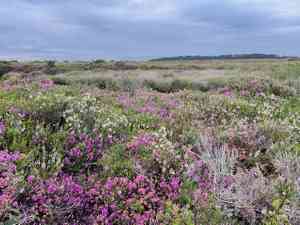
Cornish heath flourishes optimally with over six hours of daily sun exposure.
2
Its ability to tolerate partial shade allows Cornish heath to endure in suboptimal light.
3
Employing artificial grow lights presents a feasible solution for indoor Cornish heath cultivation.
Optimal Sunlight for Cornish heath
Full Sun Requirements
Cornish heath is a heliophilic plant that thrives on ample light. For optimal growth, this resilient plant requires a minimum of 6 hours of direct sun daily. Full sun exposure facilitates efficient photosynthesis, leading to vigorous growth, vivid flowers, and overall plant health. When planting Cornish heath, select a site that receives abundant sunlight throughout the day. South or west-facing garden areas are typically ideal for providing the necessary light intensity.
Partial Shade Tolerance
While Cornish heath flourishes in full sun, it also exhibits notable resilience to partial shade. If you reside in an area with limited continuous sunlight, rest assured! This adaptable plant can still prosper with filtered light or gentle morning sun followed by afternoon shade. However, be aware that its growth may be less robust, and flowering might be slightly diminished compared to full sun conditions. Balancing light and shade can help maintain a healthy Cornish heath.
Seasonal Sunlight Variations
The light requirements for Cornish heath can fluctuate with the seasons. During the extended, bright days of summer, the plant benefits from abundant sunlight. Conversely, the shorter winter days may reduce the plant's access to full sun. Strategic placement of your Cornish heath to maximize exposure across different seasons can help it remain healthy year-round. Implementing methods like repositioning the plant or pruning nearby vegetation can optimize light capture during periods of change.
Effects of Inadequate Sunlight on Cornish heath
Signs of Insufficient Sunlight
When Cornish heath lacks adequate sunlight, it often displays specific indicators. Look for elongated, weak stems that appear to stretch towards a light source. The foliage might become pale green or yellow, signaling chlorosis due to insufficient photosynthesis. Furthermore, a deficit of proper sunlight can lead to fewer blossoms and a generally unhealthy appearance.
Symptoms of Excessive Sunlight
Conversely, too much sunlight can also be detrimental. Extreme exposure may result in sunscald, evident by scorched or crispy leaves. Another common sign is wilting, where the plant seems stressed and dry despite proper hydration. Providing some midday shade during the hottest periods can prevent these issues and ensure your Cornish heath thrives.
Ideal Outdoor Conditions for Cornish heath
Suitable Garden Placements
Selecting the appropriate garden spot for Cornish heath is vital for its success. Choose locations that receive ample sunlight but are protected from intense afternoon sun if your climate is particularly warm. Borders, rock gardens, and open woodland areas can be excellent sites for planting Cornish heath. Ensuring well-drained soil and good air circulation will further support its development and blooming.
Companion Plants for Optimal Growth
Pairing Cornish heath with suitable companion plants can enhance its development. Plants with similar light and soil needs, such as lavender, rosemary, and other heaths, create a harmonious environment. These plants not only complement each other visually but also ensure your Cornish heath receives consistent light and necessary resources.
Indoor Sunlight Management for Cornish heath
Window Placement Tips
Cultivating Cornish heath indoors can be a rewarding experience if you manage its light effectively. Position the plant near a south or west-facing window to maximize its exposure to natural light. Remember to rotate the plant periodically to ensure uniform light distribution. If natural light is insufficient, consider using sheer curtains to diffuse intense light, preventing potential scorching while ensuring the plant still gets enough illumination.
Using Grow Lights Effectively
Artificial lighting can be an excellent supplement or alternative to natural sunlight for indoor Cornish heath. Full-spectrum grow lights emulate the natural light spectrum and can help your plant flourish indoors. Place the lights approximately 12-18 inches (30-45 cm) above the plant and provide 14-16 hours of light daily. This setup ensures Cornish heath receives consistent illumination, promoting healthy growth and vibrant blooms.
Adjusting Sunlight Exposure for Seasonal Changes
Summer Sunlight Adjustments
During the summer months, intense sunlight can be both beneficial and challenging for Cornish heath. While the plant enjoys long sunny days, it's crucial to monitor for excessive heat and potential sunburn. Providing some shade during the hottest part of the day can help prevent damage. Additionally, mulching around the plant's base can keep roots cool and retain moisture.
Winter Sunlight Tips
In winter, limited sunlight can be a concern for Cornish heath. Consider moving potted plants closer to windows that receive the most light, or use reflective surfaces to increase the light reaching the plant. Supplementing with grow lights can also be advantageous during these shorter days. Ensuring the plant gets at least 6 hours of light, even in winter, will help it maintain its health and vitality.



