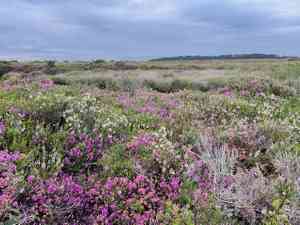
Cornish heath (Erica vagans)
Also known as: Cornish Heath, Wandering Heath
Cornish heath is a striking evergreen shrub, often featured in ornamental gardens for its visual appeal. Many cultivars have been developed, with some receiving the Royal Horticultural Society's Award of Garden Merit. To ensure low-maintenance growth, Erica vagans should be planted in well-drained, acidic to neutral soil.
In This Article
Attributes of Cornish heath
Lifespan
Perennial
Plant Type
Shrub
Plant Height
80 cm
Spread
80 cm
Leaf Color
Green
Flower Size
0.5-1 cm
Flower Color
Pink White Purple
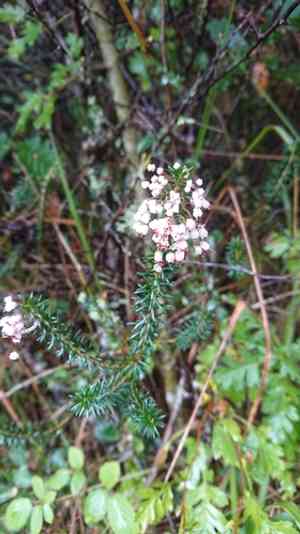
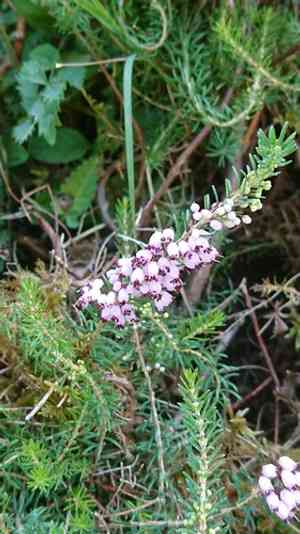
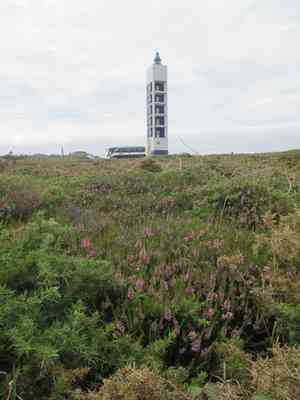
Images of Cornish heath
Quickly Identify Cornish heath
1
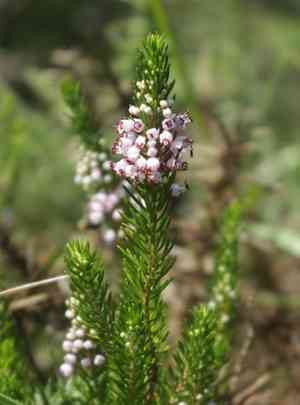
Erica vagans can be identified by its small, dense, needle-like leaves and its clusters of tiny, bell-shaped flowers that can range in color from white to deep pink. The plant often forms low, spreading mounds.
Scientific Classification of Cornish heath
Phylum
Vascular plants
Class
Dicotyledons
Order
Ericales
Family
Heath
Genus
Heaths
Species
Cornish heath
Planting and Growing of Cornish heath
Care Difficulty
Easy
Watering Schedule
Every 2 days
Sunlight Requirements
Full sun
Sunshine Duration
6-12 hours
Ideal Temperature
60-75℉
Soil Type
Potting Mix, Peat Mix
Soil pH
6.5-7.5
Fertilizer Type
Balanced
Pruning Season
Spring, Summer
Pruning Area
Branches, Leaves
Pruning Frequency
2 times a year
Repotting Season
Spring
Pot Type
Plastic, Ceramic
 How to Water Cornish heath?
Erica vagans, commonly known as Cornish heath, prefers a moderate watering routine. Each watering session should involve about 200 ml of water. The goal is to keep the soil moist but not waterlogged. Ensure that water can drain freely to prevent root rot.
What are the symptoms of an underwatered Cornish heath?
›
What should I do if my Cornish heath is not getting enough water?
›
What are the symptoms of an overwatered Cornish heath?
›
How to save an overwatered Cornish heath?
›
 What Are the Sunlight Requirements for Cornish heath?
Erica vagans prefers a light range of full sun to partial sun, ideally receiving 4 to 6 hours of sunlight daily. This balance supports robust health, flowering, and overall vitality, creating an optimal environment for growth.
More About Sunlight Requirements Techniques→
What is the optimal light condition for Erica vagans?
›
How can I ensure Erica vagans receives its ideal lighting conditions?
›
What benefits does Erica vagans gain from ideal lighting conditions?
›
 What Is the Ideal Temperature Range for Cornish heath?
The ideal temperature range for Erica vagans to thrive is between 60°F and 75°F. This range provides the optimal climate for photosynthesis and ensures the plant can maintain its metabolic processes efficiently. Temperatures within this range minimize stress and allow for healthy growth and flowering.
 What Soil is Best for Cornish heath?
Erica vagans thrives in soil with good drainage. This ensures excess water doesn't accumulate around the roots, preventing root rot and promoting healthy growth. A soil rich in organic matter provides essential nutrients for Erica vagans. This helps in maintaining its vibrant foliage and promotes abundant flowering. A slightly acidic soil environment is ideal as it allows Erica vagans to absorb nutrients efficiently, ensuring robust plant health and resilience.
 How to Fertilize Cornish heath?
Erica vagans prefers a balanced fertilizer. For liquid fertilizers, use about half the recommended dose on the packaging, approximately 5ml per liter of water. For solid fertilizers, apply about 30 grams per plant each application.
 How to Prune Cornish heath?
When pruning, always cut just above a leaf node or join. This encourages new growth from the node and helps the plant fill out more evenly. Avoid excessive cutting which might stress the plant. Begin by gently shaping the plant to encourage more even growth and a denser structure. Trim longer or wayward branches to maintain a pleasing and uniform silhouette, making sure the center receives ample sunlight.
More About Pruning Techniques→
 How to Propagate Cornish heath plant?
1
Harvest seeds from mature Erica vagans plants when seed pods begin to turn brown. Seeds should be collected carefully to avoid damage, and stored in a dry place until planting.
2
Select healthy, disease-free stems and cut sections about 5-10 cm. Remove lower leaves to minimize transpiration. Dip the cut end into rooting hormone to facilitate rooting before planting.
3
For seeds, sow them on the surface of the soil in a seed tray and cover with a light layer of compost. For cuttings, insert them into a moist, well-draining soil mix, making sure they are firm in position.
 How to Repot Cornish heath plant?
1
Erica vagans should be repotted when you notice that its growth has slowed, roots are visible through drainage holes, or soil drains poorly. These signs indicate the plant is root-bound or soil conditions are exhausted. Spring or autumn is ideal, offering mild weather for root establishment.
2
Select a pot that is just one size larger to ensure Erica vagans doesn't become waterlogged. The pot should also have ample drainage holes to prevent root rot and encourage healthy roots. A breathable material like terracotta allows moisture regulation, benefiting heathers.
3
For Erica vagans, choose an acidic, free-draining peat-based soil to mimic its natural heathland habitat. This ensures excellent aeration and drainage, which is critical because heathers are prone to root rot if water-logged.



