The Cornish heath Plant Advantage: Maximizing Home and Office Appeal and Wellness
1
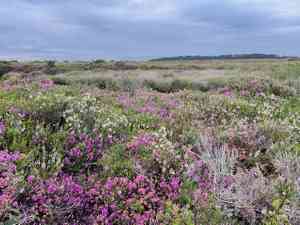
The vivid blossoms of this plant enhance garden aesthetics throughout the year.
2
It is recognized for its robust character and capacity to flourish in diverse soil conditions.
3
Its floral nectar draws in numerous pollinators, contributing to local ecological diversity.
What Are the Visual Benefits of Cornish heath?
Aesthetic Appeal
A key attribute of Cornish heath is its striking visual charm. The plant showcases vivid, bell-shaped blossoms in various hues, such as pink, purple, and white. These flowers can persist from late summer through autumn, offering extended garden color. Its evergreen nature ensures foliage retention year-round, enhancing landscape interest even in dormant seasons.
Versatile Gardening
Whether you're an experienced gardener or a beginner, Cornish heath is an excellent choice due to its adaptability. It can be cultivated in borders, rock gardens, or even containers, suiting diverse garden layouts. Its compact size and dense growth habit allow it to integrate seamlessly into both small and large gardens, adding layers of texture and color to the environment.
How Does Cornish heath Benefit the Environment?
Support for Pollinators
Cornish heath attracts pollinators, including bees and butterflies. Its abundant, nectar-rich flowers provide a vital food source for these crucial insects, aiding in the support and sustenance of local ecosystems. By cultivating Cornish heath, you contribute to the preservation of pollinator populations, which are essential for the fertilization of numerous crops and wild plants.
Soil Improvement
Cornish heath can flourish in poor soils, including sandy or slightly acidic types. By introducing this plant into your garden, you can help enhance soil structure and fertility. Its roots can assist in breaking up compacted soil and increasing aeration, fostering healthier root systems for nearby plants. Furthermore, its presence can reduce soil erosion, especially on slopes and embankments.
What Makes Cornish heath Easy to Grow?
Hardy and Resilient
A prominent characteristic of Cornish heath is its robustness. This plant is well-suited to survive in various conditions, from full sun to partial shade. It is also drought-resistant once established, making it a low-maintenance option for gardeners in areas with inconsistent rainfall. Additionally, Cornish heath is relatively free from pests and diseases, further reducing the need for intervention and care.
Minimal Maintenance
Cultivating Cornish heath is quite straightforward and requires little upkeep. The plant benefits from occasional trimming to remove dead or damaged growth, which helps maintain its form and encourages new blooms. Consistent watering during the initial year of growth aids in establishing its root system, after which it becomes quite drought-tolerant. Fertilization is rarely needed, as Cornish heath thrives in low-nutrient soils.
How Can You Incorporate Cornish heath into Your Garden?
Planting Guidelines
When planting Cornish heath, select a spot that receives ample sunlight for optimal flowering. The soil should drain well, as the plant does not tolerate waterlogged conditions. Dig a hole twice the width of the root ball and mix in some organic compost to improve soil quality. After planting, water thoroughly to help the plant settle.
Companion Plants
Cornish heath pairs well with various other plants, creating visually appealing combinations. Consider planting it alongside heathers, heaths, and other ericaceous plants that thrive in similar soil conditions. Additionally, its vibrant blooms can beautifully contrast with the foliage of ornamental grasses or the muted tones of conifers, adding depth and interest to your garden design.



