How to Prune Cornish heath?
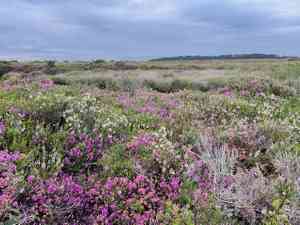
This perennial woody plant, recognized for its slender foliage and compact, cone-shaped inflorescences, thrives with minimal trimming. To preserve the form of cornish heath and stimulate robust development, perform a light trim following its blooming period. Conduct pruning in the initial part of spring or during winter to eliminate any lifeless or ailing branches and to foster fresh shoots. Refrain from severe cutting, as cornish heath exhibits poor regeneration from mature wood. Consistent pruning results in a more voluminous specimen and extends its lifespan.
Advantages of Trimming Cornish Heath
Advantages of Trimming Cornish Heath
Trimming cornish heath promotes abundant flowering and can boost its inherent resistance to pests and diseases, ensuring a healthier plant with a vibrant floral display.
Optimal Time for Pruning Cornish Heath
Optimal Time for Pruning Cornish Heath
Pruning cornish heath in early spring aligns with its growth cycle, enabling gardeners to shape the plant and remove dead or damaged branches before new growth emerges. This timing ensures cuts heal before growth accelerates, minimizing plant stress. Additionally, trimming at winter's end can be beneficial as cornish heath is dormant then, reducing sap bleed and disease spread. It also prepares the plant for vigorous spring growth. It's vital to avoid pruning during flowering, as this can diminish bloom potential and remove developing buds.
Essential Tools for Pruning Cornish Heath
Hand Pruners
Perfect for cutting small stems and branches, hand pruners create clean cuts that aid the healing process in cornish heath. They must be sharp and well-maintained for precise cuts.
Pruning Shears
Also known as secateurs, these are used for shaping cornish heath and removing faded flowers to encourage more blooms. Bypass pruning shears are preferred for their cleaner cut, avoiding stem crushing.
Small Garden Scissors
Garden scissors are useful for deadheading and precisely snipping small twigs or thin branches, promoting a neat appearance and healthy growth in cornish heath.
Gloves
Wearing gloves protects hands from scratches and ensures a firm grip on tools while pruning cornish heath.
How to Prune Cornish Heath
Sanitize tools
Before pruning cornish heath, sterilize pruning shears to prevent disease transmission. Clean blades with alcohol or a bleach solution.
Remove diseased parts
Cut away any diseased leaves and branches. Make clean cuts to fully remove these parts, preventing infection from spreading to healthy sections of cornish heath.
Trim dead material
Prune dead branches and withered leaves. Make cuts close to the base of the dead material without harming the healthy stem tissue of cornish heath.
Thin out excess growth
Reduce excessive growth branches to maintain the desired shape and improve air circulation within cornish heath's foliage.
Shape plant
Trim faded flowers and any overgrown branches to shape cornish heath. Avoid cutting more than one-third of the plant to ensure its vitality.
Common Pruning Errors with Cornish Heath
Excessive pruning
Removing too much foliage from cornish heath, which can lead to weakened plants and reduced flowering.
Rough cuts
Making jagged or uneven cuts on cornish heath's branches, which can allow disease entry and hinder proper healing.
Neglecting tools
Using dull or dirty pruning tools that can damage cornish heath's delicate stems and create rough cuts, potentially leading to pest and disease issues.
Ignoring shape
Pruning without considering cornish heath's natural form, potentially resulting in an unnatural or unbalanced look.
Overlook deadheading
Failing to remove spent blooms, which can limit the encouragement of new blooms and vigor for cornish heath.
General Pruning Advice for Cornish Heath
Clean cuts
Use sharp, clean shears to make precise cuts on cornish heath, which will heal faster and reduce disease risk.
Selective pruning
Prune selectively, targeting only dead, diseased, or overcrowded stems to maintain the health and form of cornish heath.
Natural shape
Follow the natural growth habit of cornish heath to achieve an aesthetically pleasing form and avoid over-pruning.
Encourage growth
Cut back stems that have finished flowering to encourage new growth and more prolific future blooming of cornish heath.
Plant health
Regularly inspect cornish heath for any signs of disease or damage and remove these parts immediately to promote overall plant health.



