How Much Sunlight Do Japanese lovegrass Need?
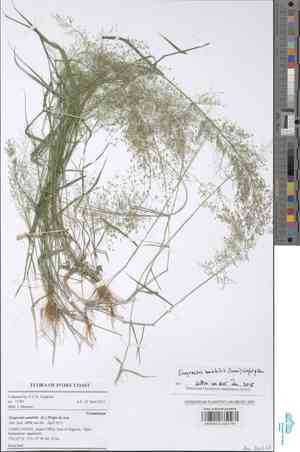
1
Japanese lovegrass flourishes optimally in abundant sunlight, requiring over 6 hours of direct sun exposure daily.
2
Excessive sun exposure can lead to browning at the tips of Japanese lovegrass leaves. Sufficient watering can help prevent this.
3
Insufficient sunlight for Japanese lovegrass may result in etiolated growth, characterized by increased height and reduced foliage as it seeks more light.
What Amount of Sunlight Does Japanese Lovegrass Require?
Perfect Light Conditions
For Japanese lovegrass, ideal light conditions mean full sun, which translates to over six hours of direct daily sunlight. This grass thrives in bright, sunny locations where it can absorb the sun's energy to flourish. When situated in areas with ample sunlight, Japanese lovegrass displays vigorous, lively growth and maintains its appealing foliage.
Impacts of Excessive Sunlight
While Japanese lovegrass enjoys full sun exposure, too much sunlight without sufficient moisture can cause scorching. The leaf tips might turn brown, indicating sun damage. To prevent this, ensure the plant is adequately watered, especially during intense heatwaves or prolonged periods of sun.
Impacts of Insufficient Sunlight
If Japanese lovegrass doesn't get enough sunlight, it can struggle and show signs of distress. A common reaction to inadequate light is 'etiolation', where the grass grows taller and thinner with less foliage. This is its attempt to reach for more light, which can ultimately weaken the plant.
Optimal Placements for Japanese Lovegrass
Outdoor Settings
For outdoor planting, select a spot that receives abundant sunlight throughout the day. Ideal locations include south-facing gardens or open fields where other structures or plants do not cast shadows over the Japanese lovegrass. This placement will help the grass achieve its maximum growth potential.
Indoor Positioning
When cultivating Japanese lovegrass indoors, placing it near a south or west-facing window ensures it gets the most sunlight possible. If the window's sunlight is too strong, consider using sheer curtains to gently diffuse the light and prevent scorching while still providing ample brightness.
Seasonal Considerations
Seasonal changes can affect the amount of sunlight your Japanese lovegrass receives. In winter months, sunlight intensity and duration decrease. If this natural reduction impacts your grass, consider supplementing with artificial lights or moving the plant to maximize exposure during shorter days.
Modifying Sunlight for Japanese Lovegrass
Utilizing Shade Cloths
During periods of intense sunlight, employing shade cloths can help shield Japanese lovegrass from sunburn. These cloths create a barrier that lessens the sun's ray intensity while still allowing the grass to receive adequate light for photosynthesis.
Relocating the Specimen
If Japanese lovegrass is suffering from either too much or too little sunlight, moving it can be a solution. For potted plants, this simply means relocating to a brighter or shadier spot. For those planted in the ground, consider creating shade or removing light-blocking obstacles. Carefully observe how the grass responds to these changes to ensure optimal growing conditions.
Artificial Illumination Aid
Artificial lighting can be beneficial, especially indoors or during seasons with limited sunlight. Use full-spectrum grow lights to mimic natural sunlight. Position the lights approximately 30 cm (12 inches) above the grass and keep them on for about 12-14 hours daily to supplement natural light and encourage healthy growth.
Resolving Sunlight Issues in Japanese Lovegrass
Identifying Sun-Damaged Leaves
Look for browning or crisping at the tips and edges of Japanese lovegrass leaves as a sign of sun damage. This harm is typically caused by excessive sunlight combined with insufficient watering. Increase water supply and consider providing some midday shade to prevent further damage.
Correcting Leggy Growth
Leggy growth, where Japanese lovegrass becomes elongated and sparse, indicates insufficient light. Remedy this by moving the grass to an area with more sunlight or supplementing with artificial light. This adjustment will promote more compact and lush growth, signaling the plant is receiving adequate light.
Maintaining Balanced Light Exposure
Balancing light exposure is crucial for thriving Japanese lovegrass. Observe the plant regularly for signs of either too much or too little light. Adjust its position, use shade cloths, or add artificial lighting as needed to ensure the grass remains healthy and vibrant. Maintaining this balance will promote optimal growth and longevity for your Japanese lovegrass.



