How to Prune Japanese lovegrass?
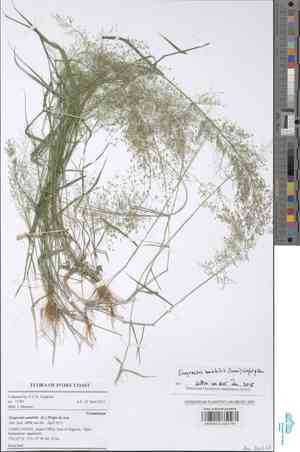
Japanese lovegrass, a deciduous, clump-forming grass, thrives with delicate foliage. Trimming is best performed in spring as new shoots emerge, and should persist throughout summer and autumn to preserve its form and eliminate withered flower stems. Reduce older leaves to several inches above the soil surface to stimulate new development. Consistent removal of dead leaves and spent blooms improves vitality and aesthetic appeal. This practice not only deters self-propagation but also fosters more compact, robust clumps.
What Are the Benefits of Pruning Japanese Lovegrass?
What Are the Benefits of Pruning Japanese Lovegrass?
Trimming japanese lovegrass promotes robust development and maintains a neat form. It revitalizes the plant, ensuring it stays healthy and visually appealing.
What Is the Best Time for Pruning Japanese Lovegrass?
What Is the Best Time for Pruning Japanese Lovegrass?
Trimming japanese lovegrass in Spring coincides with the start of its active growth period, allowing the plant to heal quickly and produce new shoots. Early Summer pruning ensures timely shaping and manages any excess growth from spring, improving air circulation and preventing pest issues. Late Fall pruning is suitable for removing any spent or dead foliage after the growing season, thus preparing japanese lovegrass for its dormant winter period while minimizing disease risk. Avoiding pruning during peak summer heat and winter cold reduces plant stress and vulnerability to damage.
What Tools Do I Need to Prune Japanese Lovegrass?
Hand Pruners
Perfect for making clean cuts on small stems and leaves, hand pruners are a precise instrument for shaping and maintaining the neat look of japanese lovegrass. Opt for bypass pruners over anvil types to avoid crushing delicate stems.
Grass Shears
These are designed for trimming grass and should be used for tidying the edges of japanese lovegrass. Their long blades allow for even, horizontal cuts necessary to maintain the grass's natural tufted shape.
Gardening Gloves
Though not a cutting tool, gloves protect hands from sharp edges and potential irritants. They are crucial for safely handling japanese lovegrass during pruning.
How to Prune Japanese Lovegrass
Clean tools
Before starting, ensure pruning tools are clean and sharp to avoid damaging japanese lovegrass and prevent disease spread.
Inspect
Examine japanese lovegrass thoroughly to identify all withered leaves that need to be removed for healthier growth.
Cut withered leaves
Using appropriate shears, carefully cut away the withered leaves at the base without harming the healthy parts of japanese lovegrass.
Dispose
Collect and properly dispose of the removed withered leaves to minimize the risk of disease or pest infestation in japanese lovegrass.
Watering post prune
After pruning, water japanese lovegrass adequately to encourage recovery and new growth.
Common Pruning Mistakes with Japanese Lovegrass
Overpruning
Removing too much foliage at once can stress japanese lovegrass and may lead to weaker growth or even kill the plant.
Improper cutting technique
Using dull blades or making jagged cuts can damage japanese lovegrass's stems, leading to disease or pest infestations.
Neglecting tool hygiene
Failing to disinfect tools between cuts and plants may spread diseases to japanese lovegrass.
Unnecessary harsh pruning
Assuming that japanese lovegrass needs aggressive pruning without understanding its growth habit can lead to stunted growth or lack of flowering.
Ignoring plant health
Pruning japanese lovegrass when it is stressed from factors like drought or disease can further weaken the plant.
Common Pruning Tips for Japanese Lovegrass
Use sharp tools
Trim japanese lovegrass with sharp, clean shears to make precise cuts that will heal quickly.
Sanitize pruning tools
Clean your tools before and after pruning japanese lovegrass to prevent disease transmission.
Prune dead material
Focus on removing dead or diseased foliage from japanese lovegrass to encourage healthy growth and improve air circulation.
Cut at proper angle
Make cuts on japanese lovegrass at a 45-degree angle just above a bud or branching point to promote proper regrowth.
Gradual pruning
To maintain the health of japanese lovegrass, prune gradually over the season rather than all at once.



