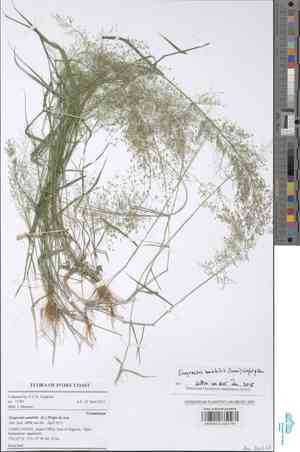
Japanese lovegrass (Eragrostis amabilis)
Also known as: Delicate lovegrass
Japanese lovegrass (Eragrostis amabilis) is known for its ability to thrive in challenging environments, such as cracks in driveways and sandy areas. Its dense and mat-like growth pattern makes it particularly effective for erosion control along roadways. While it is often considered a weed in many regions, its robust root system and rapid spread help stabilize soil and prevent erosion effectively.
In This Article
Attributes of Japanese lovegrass
Lifespan
Annual, Perennial
Plant Type
Grass
Plant Height
35 cm
Spread
N/A
Leaf Color
Green
Flower Size
3 cm to 5 cm
Flower Color
White Green
Images of Japanese lovegrass


Quickly Identify Japanese lovegrass
1
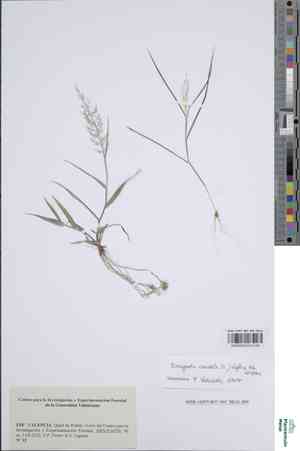
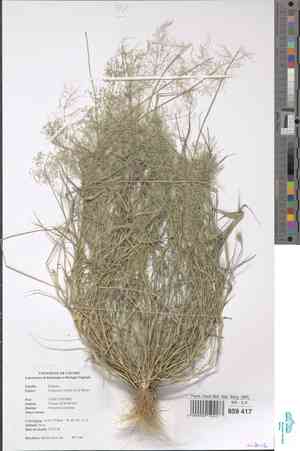
Eragrostis amabilis can be identified by its fine, thread-like leaves and slender, branching flower heads that create a feathery appearance. The spikelets are small, giving the plant a light and airy look.
Scientific Classification of Japanese lovegrass
Phylum
Vascular plants
Class
Monocotyledons
Order
Poales
Family
Grass
Genus
Lovegrasses
Species
Japanese lovegrass
Planting and Growing of Japanese lovegrass
Care Difficulty
Easy
Watering Schedule
Every 4 days
Sunlight Requirements
Full sun
Sunshine Duration
6-10 hours
Ideal Temperature
68-77℉
Soil Type
Potting Mix, Peat Mix
Soil pH
6.5-7.5
Fertilizer Type
Balanced
Pruning Season
Spring, Summer
Pruning Area
Branches, Leaves
Pruning Frequency
2 times a year
Repotting Season
Spring
Pot Type
Plastic, Ceramic
 How to Water Japanese lovegrass?
When watering Eragrostis amabilis, pour approximately 250ml of water until the soil is evenly moist but not waterlogged. Ensure the excess water drains away to prevent root rot, which requires the soil to be moist but not saturated.
What are the symptoms of an underwatered Japanese lovegrass?
›
What should I do if my Japanese lovegrass is not getting enough water?
›
What are the symptoms of an overwatered Japanese lovegrass?
›
How to save an overwatered Japanese lovegrass?
›
 What Are the Sunlight Requirements for Japanese lovegrass?
Eragrostis amabilis thrives best in full or partial sunlight, provided for around 4-6 hours daily. Ideal lighting supports vigorous growth, vibrant foliage, and healthy blooming cycles.
More About Sunlight Requirements Techniques→
What is the optimal light condition for Eragrostis amabilis?
›
How to ensure ideal lighting for Eragrostis amabilis indoors?
›
What benefits does ideal lighting provide to Eragrostis amabilis?
›
 What Is the Ideal Temperature Range for Japanese lovegrass?
Eragrostis amabilis thrives best in an ideal temperature range of 68°F to 77°F. These temperatures provide optimal conditions for its metabolic activities and growth. Maintaining this range ensures healthy foliage and vibrant blooming, crucial for ornamental uses. If grown in climates that consistently provide these conditions, Eragrostis amabilis can sustain robust health and vitality throughout its growth cycle. Regular monitoring helps in keeping the conditions within this ideal range, especially during transitional seasons.
 What Soil is Best for Japanese lovegrass?
Eragrostis amabilis thrives in soils that provide well-draining moisture without holding excess water. This condition prevents root rot and provides the necessary water balance. The well-drained soil keeps this graceful grass healthy and lush, ensuring it maintains its ornamental appeal. The plant prefers soils that are moderately rich in nutrients. Nutrient-rich soil promotes robust growth and vibrant foliage. A balance of nutrients ensures the plant's metabolic functions are optimally supported, contributing to its resilience against environmental stresses. Soil rich in organic matter improves aeration, allowing roots to breathe and absorb nutrients effectively. This requirement helps in maintaining a healthy root system, ensuring that Eragrostis amabilis grows strong and showcases its delicate flowering plumes.
 How to Fertilize Japanese lovegrass?
For Eragrostis amabilis, a light but consistent approach to fertilization is key. Use a balanced liquid fertilizer diluted to half the recommended strength. Apply the liquid fertilizer bi-monthly, and for slow-release fertilizer, apply just a few teaspoons annually around the base of the plant. This method ensures the grass receives adequate nutrients without overwhelming it.
 How to Prune Japanese lovegrass?
Start by identifying dead or damaged stems in the plant. These can often be distinguished by their brown color and brittle texture. Removing these not only improves appearance but allows healthy parts to thrive. Trim the plant to maintain a dome-like shape, encouraging an even and attractive appearance. Use sharp, clean shears to ensure each cut is precise, and aim to cut just above a leaf node to promote bushier growth. Collect and dispose of all the clippings following your pruning session. This prevents potential pest infestations and diseases from lingering around the plant. Compost the healthy cuttings if possible for sustainability.
More About Pruning Techniques→
 How to Propagate Japanese lovegrass plant?
1
Begin by filling a seed tray with a mixture of potting soil and sand. Sow the seeds thinly across the surface and lightly cover them with a thin layer of soil. Water gently, ensuring the soil remains moist but not waterlogged.
2
Choose healthy, mature plants for division. Water the plant thoroughly the day before you plan to divide it. This helps ease the separation process and reduces stress on the plant.
3
Carefully remove the plant from the ground, ensuring minimal root disturbance. Use a sharp knife or spade to divide the root clump into smaller sections, each with its own roots and shoots. Replant the divisions promptly in prepared soil.
 How to Repot Japanese lovegrass plant?
1
Eragrostis amabilis shows signs of needing repotting when its roots start emerging from the drainage holes or when the soil no longer retains moisture well. If you notice the plant wilting quickly after watering or stunted growth, it's likely time to repot.
2
Select a pot that is 1-2 inches larger in diameter than the current one to allow space for growth. Ensure the pot has adequate drainage holes to prevent waterlogging. The material of the pot, whether clay or plastic, should match your watering habits.
3
Opt for a well-draining sandy loam soil, which mimics its natural habitat. This soil type allows for excellent drainage, preventing root rot and ensuring the plant receives the necessary nutrients to thrive.



