The Japanese lovegrass Plant Advantage: Maximizing Home and Office Appeal and Wellness
1
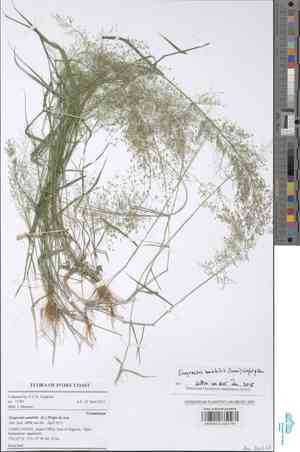
Japanese lovegrass is prized for its ornamental qualities, bringing vibrant foliage to outdoor spaces.
2
Its robust root system aids in preventing soil degradation, making it a beneficial plant for any property.
3
This plant needs little care, flourishing in diverse soil types and weather patterns.
What Makes Japanese lovegrass a Standout Plant for Your Garden?
Aesthetic Appeal
Japanese lovegrass features abundant, fine-textured foliage that imparts a soft, elegant touch to any garden or landscape. Its green blades and delicate blooms create a visually pleasing backdrop that complements various other plants and decorative elements. Whether utilized in garden borders, rock gardens, or as ground cover, Japanese lovegrass transforms ordinary areas into vibrant havens.
Low Maintenance Requirements
A key benefit of Japanese lovegrass is its minimal care demands. The plant can endure a wide array of soil types and environmental conditions, making it an excellent option for both new and seasoned gardeners. With its drought tolerance and resistance to pests and diseases, Japanese lovegrass thrives with little intervention, reducing the need for frequent watering and chemical treatments.
Versatile Landscaping Options
Japanese lovegrass is an incredibly adaptable plant suitable for diverse landscaping applications. It performs well in both traditional garden settings and modern, minimalist designs. Gardeners can employ it for creating lush lawns, controlling soil erosion on slopes, or as decorative features around stepping stones and pathways. The adaptability of Japanese lovegrass ensures it can integrate seamlessly into various landscape themes.
How Does Japanese lovegrass Benefit Soil and Environmental Health?
Soil Stabilization
The dense root system of Japanese lovegrass plays a vital role in stabilizing soil and preventing erosion. The roots bind soil particles together, lessening the impact of heavy rains and flowing water that can wash soil away. This characteristic is especially valuable in regions prone to soil erosion, where Japanese lovegrass can help maintain the integrity of the landscape.
Nutrient Cycling
As Japanese lovegrass grows, it contributes to nutrient cycling within the soil. The plant absorbs nutrients from the soil and returns organic matter through leaf drop and root decomposition. This process enriches the soil over time, fostering a healthier and more fertile growing environment for other plants. The presence of Japanese lovegrass can thus enhance the overall productivity of your garden.
Why Is Japanese lovegrass Ideal for Sustainable Gardening?
Water Conservation
Japanese lovegrass is a water-efficient plant, requiring significantly less water compared to other ornamental grasses and turfgrasses. This trait makes it an excellent choice for sustainable gardening practices, particularly in regions facing water scarcity. By planting Japanese lovegrass, gardeners can reduce their water usage while maintaining vibrant, green landscapes.
Minimal Chemical Use
Due to its resistance to common pests and diseases, Japanese lovegrass minimizes the need for chemical pesticides and herbicides. This not only reduces the gardener's workload but also lessens the impact on the environment. Sustainable gardening with Japanese lovegrass promotes healthier ecosystems by reducing chemical runoff into waterways and lowering the overall environmental footprint of garden maintenance.
Can Japanese lovegrass Improve Urban Spaces?
Enhancing Green Infrastructure
In urban areas, green spaces are crucial for improving air quality, providing recreational areas, and enhancing the overall quality of life. Japanese lovegrass is a perfect candidate for urban green infrastructure projects, thanks to its low maintenance requirements and adaptability. It can be planted in public parks, along walkways, and in community gardens, creating peaceful green spaces within the concrete jungle.
Biodiversity Support
Japanese lovegrass serves as a habitat for various insects and small wildlife, promoting urban biodiversity. The presence of this plant in urban areas helps create a balance between human development and natural ecosystems. By including Japanese lovegrass in urban planting schemes, city planners and gardeners contribute to the conservation of local flora and fauna.



