How Much Sunlight Do Mexican snow ball Need?
1
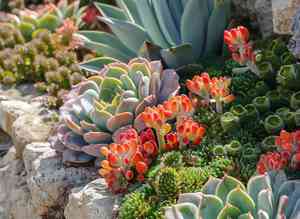
Echeveria elegans prefers bright, direct sunlight but is adaptable to some indirect light.
2
Overexposure to sun can manifest as changes in leaf color and sun damage.
3
In the colder months, Mexican snow ball requires less strong illumination than during warmer periods.
Optimal Lighting Conditions for Mexican Snowball
Abundant Sun Exposure
The Mexican snowball truly thrives in full sun. This succulent prefers to absorb at least six hours of direct solar radiation daily. In areas with less intense light, you might observe slower development and less vivid leaf shades. Providing sufficient sunlight is vital for its overall well-being and visual appeal.
Partial Shading
While the Mexican snowball flourishes in full sun, it can endure partial shade if needed. Partial shade means the plant will get three to six hours of direct sunlight per day, ideally in the morning when the sun's intensity is lower. This can be especially helpful if you're cultivating the plant where full sun isn't feasible. However, be aware that extended periods in the shade can cause the plant to stretch as it seeks more light, potentially leading to weaker growth.
Recognizing Overexposure to Sun in Mexican Snowball
Indications of Sunburn
Similar to humans, the Mexican snowball can experience sunburn if exposed to overly intense sunlight. The most evident symptom of sunburn on this plant will be brown, brittle areas on its foliage. Sun damage can also make the plant more vulnerable to other harm, so relocating it to a shadier spot is important if these signs emerge.
Leaf Color Change
Discoloration of the leaves is another clear indicator that your Mexican snowball is receiving too much sun. If the leaves begin to yellow or become bleached, this distinctly points to excessive sunlight. Unlike the rich green or bluish tones characteristic of a healthy Mexican snowball, sun-affected leaves lose their vibrant coloration, signaling plant stress.
Seasonal Sunlight Management for Mexican Snowball
Summer Care Tips
Summer can be both advantageous and challenging for your Mexican snowball. While increased sunlight boosts growth, intense heat can be harmful. To manage this, ensure the plant has adequate moisture but prevent waterlogging. If your plant is outdoors, consider placing it where it gets morning sun and afternoon shade to avoid overheating.
Winter Care Tips
During winter, sunlight is less potent, and your Mexican snowball will require less light compared to summer. If you're growing the plant indoors, position it near a south-facing window to maximize sun exposure. However, be careful not to place it too close to cold drafts from windows. Minimal watering is advised during this period, as the plant enters a dormant state.
Indoor Cultivation: Ensuring Sufficient Light for Mexican Snowball
Employing Grow Lights
Indoor cultivation can be difficult if natural sunlight is insufficient. Grow lights are an excellent solution for Mexican snowball to guarantee it receives the full spectrum of light necessary for its health. LED grow lights are particularly effective and energy-efficient, providing the required illumination without excessive heat.
Optimal Window Placement
For those who prefer natural light, window placement is crucial when growing Mexican snowball indoors. The best position is near a south or southwest-facing window, where the plant can get the most sunlight throughout the day. Rotate the pot occasionally to ensure uniform light exposure on all sides of the plant.



