Optimal Soil for Growing Mexican snow ball: What You Need to Know
1
Mexican snow ball flourishes in ground with a pH value ranging from 6 to 7.5.
2
Consistent soil analysis can aid in avoiding frequent problems such as lack of nutrients and compacted soil.
3
Properly draining soil is vital for the Mexican snow ball to avoid issues from excessive watering.
Ideal Soil Type for Mexican Snowball Plants
Soil with Excellent Drainage
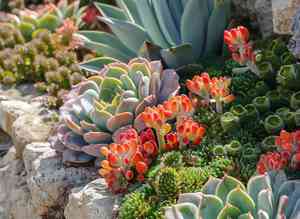
The Mexican snowball is a succulent, meaning it possesses specific requirements regarding its growing medium. A key aspect of its care involves ensuring it's planted in soil that drains exceptionally well. This type of soil prevents water from accumulating around the root system, which often leads to root rot—a frequent problem for succulents. To achieve superior drainage, you can blend standard potting soil with materials such as sand, perlite, or pumice. This combination enables surplus water to exit rapidly, thus protecting the plant's root structure.
Soil Structure
An effective soil mixture for the Mexican snowball typically consists of both organic and inorganic components. Organic elements, like compost or peat moss, supply vital nutrients, while inorganic elements, such as sand or perlite, improve soil aeration and water outflow. Aim for a soil blend that strikes a balance between holding moisture and allowing it to drain. You can purchase ready-made cactus or succulent soil mixes from garden centers, which are generally suitable for the Mexican snowball. Alternatively, you can formulate your own blend by combining potting soil with one-third to one-half coarse sand or perlite.
How to Prepare Soil for Mexican Snowball Plants
Enhancing Water Flow
Boosting drainage is vital when preparing the soil for a Mexican snowball. Even if you start with a well-draining soil mix, incorporating additional measures can further improve water runoff. Consider placing a layer of gravel or small stones at the base of the container to help water move away from the roots. Additionally, ensuring your pot has adequate drainage holes is critical. If planting outdoors, choose a location with good natural drainage or amend the garden soil with sand and gravel to improve its permeability.
Achieving pH Balance
The optimal pH range for a Mexican snowball is between 6 and 7.5. To confirm the soil falls within this spectrum, consider testing the soil pH using a home kit or submitting a sample to a local extension service. If the pH is too low (acidic), you can increase it by adding lime. Conversely, if the pH is too high (alkaline), sulfur or aluminum sulfate can help decrease it. Maintaining a balanced pH level is essential for nutrient availability and the plant's overall health.
Enriching with Nutrients
While the Mexican snowball does not demand highly fertile soil, providing some nutrients can encourage more robust growth. Integrate a slow-release balanced fertilizer or a specialized succulent fertilizer into the soil mix. Organic compost is another excellent choice, delivering nutrients naturally over time. Remember to avoid excessively rich soil, which can result in leggy and weak growth in succulents.
Common Soil Problems and Remedies for Mexican Snowball Plants
Compressed Soil
Soil compaction can hinder root development and water absorption for the Mexican snowball. To counter compaction, gently loosen the soil around the plant regularly without disturbing the roots. Incorporating perlite or coarse sand can improve soil texture, preventing it from becoming too dense.
Nutrient Deficiencies
Nutrient deficiencies appear as yellowing foliage or stunted development. To correct this, periodically fertilize the plant with a balanced fertilizer, but avoid excessive fertilization, which can harm succulents. Regular soil testing helps assess nutrient levels and allows for appropriate adjustments.
Over-watering Issues
Excessive watering is a frequent problem for the Mexican snowball. Ensure the soil drains well to allow surplus water to escape. Water sparingly, letting the soil completely dry out between irrigations. Too much water can lead to root rot, so it's safer to err on the side of under-watering.
Best Practices for Maintaining Healthy Soil for Mexican Snowball Plants
Routine Soil Analysis
Regular soil testing aids in monitoring pH levels and nutrient content, enabling you to make informed adjustments to the soil composition. Testing can prevent issues such as nutrient shortfalls and pH imbalances, ensuring the soil remains ideal for the Mexican snowball.
Correct Watering Techniques
Appropriate watering methods are crucial for sustaining soil health and preventing over-saturation. Water the Mexican snowball thoroughly but infrequently, allowing the soil to dry out completely between watering sessions. The 'soak and dry' approach is perfect—water deeply, then wait until the soil is parched before re-watering.
Utilizing Organic Amendments
Applying organic amendments like compost can enhance soil health by providing essential nutrients and improving soil structure. Incorporate compost into the soil mix or as a top dressing. Organic matter also boosts water retention, which benefits the Mexican snowball in arid conditions.
Can Mexican Snowball Plants Thrive in Containers?
Selecting the Appropriate Potting Medium
When cultivating Mexican snowball in containers, choosing the correct potting mix is vital. Opt for a commercial cactus or succulent mix, or formulate your own by blending regular potting soil with sand or perlite. This guarantees the mix is well-draining, preventing waterlogged roots.
Ensuring Adequate Container Drainage
Proper drainage is crucial for potted Mexican snowball. Confirm the container has multiple drainage holes, and consider adding a layer of gravel or stones at the bottom. This arrangement allows excess water to flow out, minimizing the risk of root rot and keeping the soil aerated.



