How Much Sunlight Do Scarlet larkspur Need?
1
Scarlet larkspur flourishes optimally with over six hours of direct sun exposure daily.
2
Excessive sun can lead to leaf scorching, whereas inadequate light might impede the plant's development.
3
Fluctuations in seasonal light necessitate varied care approaches for Scarlet larkspur's peak well-being.
Optimal Light Requirements for Scarlet Larkspur
Ideal Daily Illumination
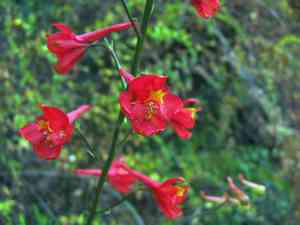
Scarlet larkspur thrives in full sun, meaning it needs over 6 hours of direct sunlight daily. This is vital for its development and the blooming of its vivid red flowers. Without sufficient light, the plant may become spindly and produce fewer blossoms, diminishing its garden appeal.
Impact of Excessive Light
While Scarlet larkspur loves the sun, too much exposure can be detrimental. Extended periods of intense sunlight, particularly in the afternoon, can cause sunscald. Symptoms include scorched foliage, discoloration, and wilting. To protect the plant, consider providing afternoon shade or using shade cloths during peak sun hours.
Addressing Insufficient Light
Scarlet larkspur can tolerate partial sun but will not flourish as well. Inadequate sunlight can lead to slow growth, fewer flowers, and paler leaves. If your plant receives less than 6 hours of sunlight, consider moving it to a brighter location or supplementing with artificial grow lights, especially during darker months.
Optimal Placement for Scarlet Larkspur
North-facing Locations
North-facing spots typically receive the least direct sunlight, making them less than ideal for Scarlet larkspur, which thrives on abundant light. However, these areas can be beneficial in very hot climates or regions with intense summer sun, offering protection from peak afternoon light.
South-facing Locations
South-facing spots are perfect for Scarlet larkspur as they receive sunlight throughout most of the day. This orientation ensures the plant gets the necessary 6+ hours of light, promoting vigorous growth and vibrant blooms. However, be aware of potential sunscald and consider using shade cloth if needed.
East and West-facing Locations
East-facing spots receive gentle morning sunlight, which is good for Scarlet larkspur as it avoids the harsh afternoon sun. West-facing spots provide strong afternoon sunlight, which can be ideal but might require shading during peak hours. Both orientations can work effectively with some adjustments based on local climate conditions.
Seasonal Light Considerations
Spring and Summer Light Needs
During spring and summer, Scarlet larkspur is actively growing and requires ample sunlight. Ensure the plant gets full sun exposure, which aids in producing more flowers and maintaining healthy foliage. It's also a good time to check for signs of sunscald and provide shade if necessary during extremely hot days.
Fall and Winter Adjustments
In fall and winter, sunlight availability decreases and may impact Scarlet larkspur's growth. You might need to move the plant to a sunnier spot or use grow lights to compensate for reduced natural light. Trimming faded blooms and reducing watering can also help the plant manage through the less sunny seasons.
Identifying Light Stress in Scarlet Larkspur
Symptoms of Sunscald
Sunscald in Scarlet larkspur appears as scorched or brown leaves, wilting, and overall poor plant health. These symptoms indicate the plant has received too much direct sunlight. Immediately move the plant to a shadier spot or use a shade cloth to prevent further damage.
Signs of Light Deficiency
When Scarlet larkspur doesn't get enough sunlight, it shows signs like elongated stems (legginess), pale or yellowing leaves, and fewer flowers. These symptoms clearly signal that the plant needs to be moved to a brighter location to ensure it receives the necessary amount of light to flourish.
Tips for Managing Light Exposure
Utilizing Shade Cloths
Shade cloths are excellent tools for managing the amount of sunlight Scarlet larkspur receives. They come in various densities and can reduce light intensity, protecting the plant from sunscald during peak hours. Place the cloth over the plant during the hottest part of the day, especially in midsummer, to ensure it gets enough light without suffering harm.
Seasonal Relocation Strategies
Seasonal changes necessitate different strategies for your Scarlet larkspur. In summer, you might need to move the plant to a spot with some afternoon shade. In winter, relocating it to a brighter area, possibly by a south-facing window, can help compensate for the reduced natural light. Being proactive and adjusting the plant's location according to seasonal light availability ensures it remains healthy year-round.



