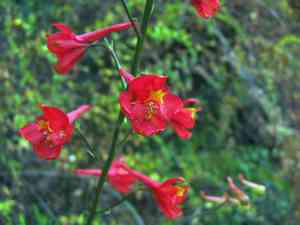
Scarlet larkspur (Delphinium cardinale)
Also known as: Red Larkspur, Scarlet Larkspur
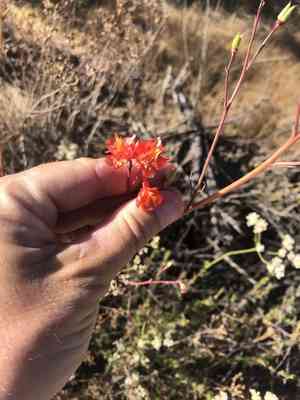
The Scarlet Larkspur (Delphinium cardinale) is a perennial wildflower native to the west coast of North America, particularly in California and Baja California. Known for its vibrant scarlet red flower clusters, this plant is often featured in ornamental gardens. Hummingbirds are the primary pollinators for these striking flowers. It's important to note that all Delphinium species, including Delphinium cardinale, are toxic.
In This Article
Attributes of Scarlet larkspur
Lifespan
Perennial
Plant Type
Herb
Plant Height
2 m
Spread
30 cm to 60 cm
Leaf Color
Green
Flower Size
2.5 cm
Flower Color
Red
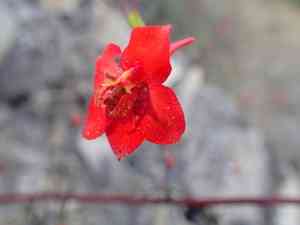
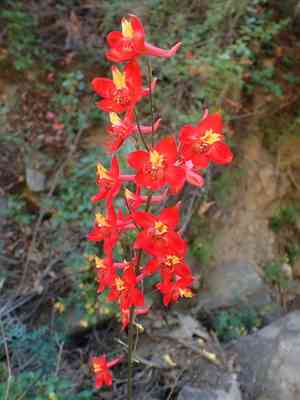
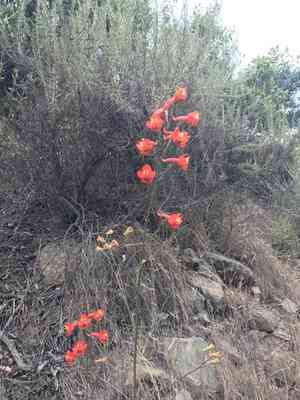
Images of Scarlet larkspur
Quickly Identify Scarlet larkspur
1
Identifying Delphinium cardinale involves looking for its tall flowering spikes that can reach several feet in height, covered with bright red flowers. The leaves are deeply lobed with a palmate structure, and the plant has a robust, upright growth habit.
Scientific Classification of Scarlet larkspur
Phylum
Vascular plants
Class
Dicotyledons
Order
Ranunculales
Family
Buttercup
Genus
Larkspurs
Species
Scarlet larkspur
Planting and Growing of Scarlet larkspur
Care Difficulty
Hard
Watering Schedule
Every 3 days
Sunlight Requirements
Full sun
Sunshine Duration
6-10 hours
Ideal Temperature
60-75℉
Soil Type
Potting Mix, Peat Mix
Soil pH
6.5-7.5
Fertilizer Type
Balanced
Pruning Season
Spring, Summer
Pruning Area
Branches, Leaves
Pruning Frequency
2 times a year
Repotting Season
Spring
Pot Type
Plastic, Ceramic
 How to Water Scarlet larkspur?
Delphinium cardinale requires around 500 milliliters of water per session. The goal is to thoroughly saturate the soil while ensuring excess water drains away. This mimics the natural setting of its native habitat, which ensures the plant's vibrant bloom and healthy growth.
What are the symptoms of an underwatered Scarlet larkspur?
›
What should I do if my Scarlet larkspur is not getting enough water?
›
What are the symptoms of an overwatered Scarlet larkspur?
›
How to save an overwatered Scarlet larkspur?
›
 What Are the Sunlight Requirements for Scarlet larkspur?
Delphinium cardinale thrives in full sun, tolerating partial shade. Ideal light enhances blooming and growth vigor, leading to an overall healthier plant.
More About Sunlight Requirements Techniques→
What is the ideal amount of sunlight for Delphinium cardinale?
›
How to provide ideal sunlight conditions?
›
Benefits of ideal sunlight for Delphinium cardinale?
›
 What Is the Ideal Temperature Range for Scarlet larkspur?
Delphinium cardinale thrives best in mild temperatures, ranging from 60°F to 75°F. This range ensures optimal metabolic activities, fosters healthy growth, and supports prolific blooming. Temperatures within this range mimic their natural high-altitude habitats, balancing warmth and coolness for ideal nutrient uptake and photosynthesis.
 What Soil is Best for Scarlet larkspur?
Delphinium cardinale thrives in soil that offers excellent drainage. Proper drainage prevents waterlogging, which can lead to root rot and other issues. Well-drained loamy soil ensures the roots receive adequate oxygen and nutrients, promoting healthy growth and vibrant blooms. This plant benefits from soil rich in organic matter. The presence of decomposed plant material and compost enhances soil fertility, providing essential nutrients that support robust stem and foliage development. Nutrient-rich soil leads to a lush, flowering display. While good drainage is essential, the soil should also retain enough moisture to support the plant during dry spells. Sandy loam is ideal as it balances drainage with moisture retention, ensuring Delphinium cardinale doesn't suffer from drought stress.
 How to Fertilize Scarlet larkspur?
Delphinium cardinale benefits from a balanced approach to fertilization. Liquid fertilizers should be diluted to half of the recommended strength on the package, applying about 150-200 ml per plant. Solid fertilizers should be used sparingly, approximately 30-50 grams per plant each time.
 How to Prune Scarlet larkspur?
Start by identifying any stems or flowers that are dead or damaged. These should be pruned first to direct the plant's energy toward new growth. Use sharp shears to make clean cuts close to the base of the dead materials. After removing dead materials, consider shaping the plant by pruning any stems that are disproportionately long compared to the rest. This helps maintain a visually appealing form and prevents wind damage. Once flowering is over, cut back the flowering stems to the ground. This encourages the plant to focus on root and foliage development, preparing it for another blooming cycle.
More About Pruning Techniques→
 How to Propagate Scarlet larkspur plant?
1
Start by collecting seeds or purchasing them from a reputable source. Clean the seeds and store them in a cool, dry place before planting. Choose a high-quality seed-starting mix to ensure adequate drainage and nutrients.
2
Select a healthy parent plant and using sharp pruning shears, cut a 4 to 6 inch piece just below a leaf node. Remove the lower leaves to prevent rot and dip the cut end in rooting hormone to encourage root growth.
3
Carefully dig up an established plant and divide the root clumps with a sharp, sterilized knife. Ensure each division has roots and stems attached, then replant them immediately in prepared soil.
 How to Repot Scarlet larkspur plant?
1
Delphinium cardinale should be repotted when you notice roots emerging from the drainage holes, which signifies that the plant has outgrown its current container. Another signal is when the plant begins to wilt quickly after watering or displays stunted growth, indicating that the nutrients in the soil are depleted.
2
Select a pot that is 2-3 inches larger in diameter than the current one, with ample drainage holes. A slightly bigger pot ensures the plant has enough room for root growth, helping it to establish more stability and access nutrients effectively.
3
Use a well-draining potting mix containing components like peat, perlite, or sand. This type of soil allows for adequate air circulation around the roots and prevents waterlogging, which is crucial for healthy growth of the plant.
Toxicity
Ingestion
WARNING
The judgment on toxicity and danger is for reference only. We DO NOT GUARANTEE any accuracy of such judgment. Therefore, you SHALL NOT rely on such judgment. It is IMPORTANT TO SEEK PROFESSIONAL ADVICE in advance when necessary.
Learn More About Scarlet larkspur Diseases
Anthracnose
Bacterial Leaf Spot
Bacterial Soft Rot
Bacterial Wilt
Black Spot
Chemical Injury
Crown Gall
Damping-off
Downy Mildew
Drought Stress
Fusarium Wilt
Gray Mold
Leaf Spot
Mosaic
Nutrient Deficiency
Nutrient Toxicity
Powdery Mildew
Root Rot
Root-knot Nematode
Rusts
Sooty Mold
Spider Mites
Temperature Stress
Thrips Damage
White Mold



