How to Prune Scarlet larkspur?
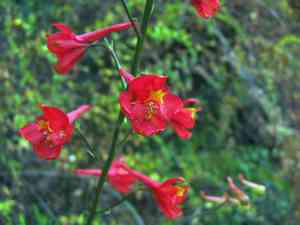
Scarlet larkspur, a captivating perennial featuring brilliant red blossoms, thrives with consistent trimming. After the initial flowering, snip off faded flowers just beneath the bloom stalk to stimulate a subsequent flowering period. During the spring and summer, strategically reduce about one-third of the plant's development to preserve its form and improve air movement. This practice fosters vigorous growth and deters ailments. Although removing spent flowers improves its appearance, refrain from excessive pruning, as this can cause stress to scarlet larkspur.
What Are the Benefits of Pruning Scarlet Larkspur?
What Are the Benefits of Pruning Scarlet Larkspur?
Trimming scarlet larkspur promotes robust new development, sustaining its vibrant appearance each season. It also aids in keeping the plant's form compact and shapely, enhancing its decorative appeal.
What Is the Best Time for Pruning Scarlet Larkspur?
What Is the Best Time for Pruning Scarlet Larkspur?
Trimming scarlet larkspur in late winter or early spring is recommended as this coincides with the end of the plant's dormant phase, just before fresh growth emerges. This timing allows gardeners to shape the plant and eliminate any dead or damaged stems without disrupting its natural growth cycle. Furthermore, pruning at this stage helps to stimulate new growth, leading to a more abundant bloom in spring and early summer. It is crucial to avoid pruning scarlet larkspur during late summer or fall since this can encourage new growth that may not endure colder temperatures and could result in plant harm.
What Tools Do I Need to Prune Scarlet Larkspur?
Bypass Pruners
Perfect for making clean cuts on scarlet larkspur's green stems and faded blooms. The bypass action prevents crushing delicate tissue and encourages faster recovery.
Garden Scissors or Snips
Useful for deadheading scarlet larkspur's flowers and precise trimming of small or fragile stems.
Long-Handled Loppers
Suitable for reaching and cutting thicker stems or branches, if scarlet larkspur has grown large or woody, while providing leverage for easier cuts.
Garden Gloves
Essential for protecting hands from scarlet larkspur's potentially irritating sap and sharp edges during pruning.
How to Prune Scarlet Larkspur
Disinfect tools
Before trimming scarlet larkspur, sanitize all pruning implements to prevent disease transmission. Use diluted bleach or alcohol to thoroughly clean the blades.
Remove diseased leaves
Identify and snip off all diseased foliage on scarlet larkspur using clean, sharp pruning shears. Make cuts at the base of each leaf stem to ensure a clean removal without leaving stubs that could invite further illness.
Remove withered leaves
Similarly, cut away any dried or lifeless leaves that are no longer green or vibrant. Removing these leaves encourages healthy development and reduces the likelihood of disease and pest infestation.
Cut diseased Stems
Inspect scarlet larkspur for any diseased stems, indicated by discoloration, wilting, or unusual growths. Using your disinfected shears, cut these stems back to healthy tissue, ensuring to make a clean angled cut just above a leaf node or bud.
Clean Up
After pruning, carefully gather and dispose of all removed plant material. Avoid composting diseased parts as they could harbor pathogens. Clean the ground area around scarlet larkspur to maintain a tidy and disease-free environment.
Common Pruning Mistakes with Scarlet Larkspur
Over-pruning
Removing too much of the scarlet larkspur at once can shock the plant, potentially hindering its growth or even leading to demise.
Improper cutting technique
Using dull blades or making jagged cuts can harm the stems of scarlet larkspur, creating entry points for disease and pests.
Pruning without cleaning tools
Failing to sanitize tools before pruning can spread diseases from infected plants to healthy ones.
Neglecting plant structure
Random or excessive cutting without understanding the growth habit of scarlet larkspur can result in an undesirable shape and reduced blooming.
Ignoring dead or diseased stems
Overlooking the removal of dead or diseased parts can impede healthy growth and spread illness throughout scarlet larkspur.
Common Pruning Tips for Scarlet Larkspur
Sharp and clean cuts
Always use sharp, clean pruning shears to make precise cuts that will heal quickly, minimizing the risk of disease.
Selective thinning
Focus on thinning out crowded areas to improve air circulation and light penetration, which is crucial for the health of scarlet larkspur.
Maintain natural shape
Prune to maintain the natural form of scarlet larkspur, cutting back to a set of leaves or a growth node to encourage new development.
Promote new growth and flowering
Remove spent flowers and deadhead regularly to encourage scarlet larkspur to direct energy into new growth and additional blooming.
Incremental pruning
Prune gradually throughout the growing season, tackling one section at a time, to avoid shocking scarlet larkspur and to monitor its response.



