How Much Sunlight Do Lady's slipper orchid Need?
1
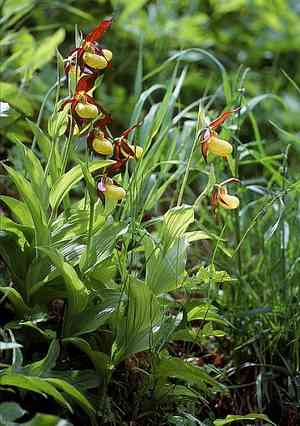
Lady's slipper orchids flourish optimally with roughly 3-6 hours of filtered sunlight daily.
2
Indicators of excessive light exposure include singed foliage and discolored margins.
3
Employing diffused light sources or supplementary grow lights can aid in sustaining a steady illumination setting for your Lady's slipper orchid.
Deciphering Sunlight Needs for Lady's Slipper Orchids
Light Strength
The Lady's slipper orchid thrives in moderate, diffused illumination. Direct solar exposure can be too powerful and might harm the delicate foliage of this distinctive plant. While it can withstand full sun, providing filtered or dappled light emulates its natural woodland floor environment and is more advantageous for its development. Optimal light levels are achieved near an east or west-facing window. Sheer curtains or shade cloth can also filter direct sunlight, giving the Lady's slipper orchid just the right amount of illumination.
Duration of Light Exposure
Ideally, the Lady's slipper orchid should receive approximately 3-6 hours of sunshine daily. This duration supplies sufficient energy for photosynthesis without subjecting the plant to risks associated with extended periods of intense light. If kept indoors, ensure it's positioned where it can acquire the necessary amount of light. Remember, this orchid is adapted to flourish in partial sun conditions, mirroring its natural forest floor setting.
Optimal Time of Day for Light
The best times for the Lady's slipper orchid to absorb sunlight are during the early morning or late afternoon. These periods offer gentle rays that are less likely to overheat or scorch the plant's foliage. Avoid mid-day sun, especially in warmer climates, as it can be overly intense. This timing aligns with the orchid's natural preference for softer, scattered light found on the forest floor, helping to ensure its continued health and vibrancy.
Recognizing Appropriate Light Conditions for Lady's Slipper Orchids
Indicators of Sufficient Light
A healthy Lady's slipper orchid, receiving adequate illumination, typically displays lush green leaves and consistent development. You'll observe frequent blooming cycles and a robust, upright plant structure. When light conditions are optimal, the plant should flourish and maintain its aesthetic appeal.
Signs of Excessive Light
Too much sunlight can result in scorched or sun-damaged leaves, appearing as brown, brittle edges, or bleached spots on the foliage. These symptoms indicate the plant is getting excessive direct light and needs to be relocated to a shadier spot or provided with some form of light diffusion.
Symptoms of Insufficient Light
Inadequate sunlight will cause the Lady's slipper orchid to exhibit slower growth, elongated stems, and fewer blossoms. Its leaves might deepen in color as they stretch towards the light. If your plant shows these signs, consider moving it to a brighter location or supplementing with artificial lighting.
Modifying Sunlight Exposure for Peak Growth
Employing Supplemental Lighting
Artificial light sources, such as LED grow lamps, can effectively supplement natural light for your Lady's slipper orchid. These lights should be kept a safe distance from the plant to prevent overheating, typically around 30-45 centimeters (12-18 inches). Ensure the lighting mimics the natural day-night cycle by operating it for about 12-16 hours daily.
Outdoor vs. Indoor Placement
Whether cultivated indoors or outdoors, monitoring light conditions is vital. Outdoors, ensure the plant is in a location that receives dappled sunlight or only morning light. For indoor settings, placing the orchid near a north-facing window can provide consistent indirect light, or you can use curtains to soften harsher sunlight from other directions.
Seasonal Adjustments for Lighting
As seasons change, the quantity and intensity of natural light will fluctuate. During winter, when days are shorter, you might need to move the Lady's slipper orchid to a brighter spot or use artificial lights to ensure it continues to receive sufficient sunlight. In summer, be mindful of increased light intensity and duration, protecting your plant from potential exposure to intense midday sun.
Common Errors in Providing Sunlight for the Lady's Slipper Orchid
Overexposure to Direct Sun
A common misstep is assuming more sunlight equals better growth. However, excessive direct sunlight can harm the Lady's slipper orchid. Always aim for indirect or dappled light to prevent sunburn and stress on the plant.
Ignoring the Importance of Indirect Light
Another error is overlooking the significance of indirect light. The Lady's slipper orchid flourishes under filtered light, akin to the dappled sunlight of its natural forest environment. Ensure it receives enough indirect light to stimulate healthy growth and blooming.
Neglecting to Observe Plant's Reaction
Failing to regularly check the plant's response to its light conditions can lead to prolonged periods of stress. Continuously monitor your Lady's slipper orchid for indications of light imbalance and make necessary adjustments promptly to maintain its vitality.



