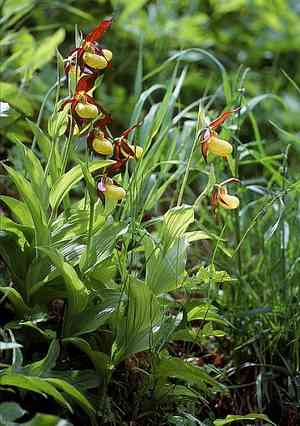
Lady's slipper orchid (Cypripedium calceolus)
Also known as: Nerve root
The Lady's Slipper orchid, specifically *Cypripedium calceolus*, is well-known for its distinctive, shoe-shaped flower. This unique structure attracts and is pollinated by a variety of bee species.
In This Article
Attributes of Lady's slipper orchid
Lifespan
Perennial
Plant Type
Herb
Plant Height
25 cm to 61 cm
Spread
30 cm to 40 cm
Leaf Color
Green
Flower Size
2.5 cm to 8 cm
Flower Color
Yellow Purple Brown
Images of Lady's slipper orchid
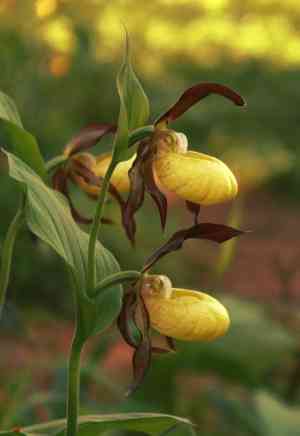
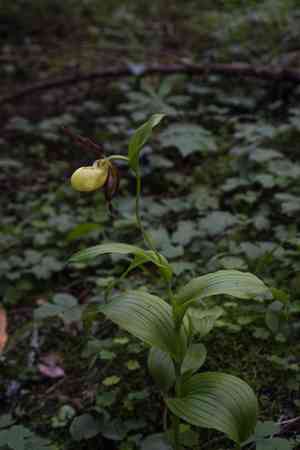
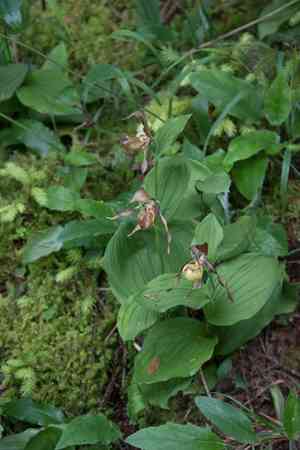
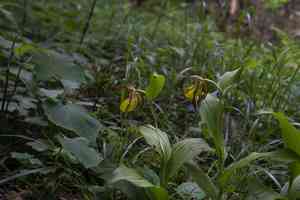
Quickly Identify Lady's slipper orchid
1
Distinct labellum pouch in bright yellow, acting as pollinator landing platform.
2
Twisted greenish-brown petals and broad sepals surrounding the labellum.
3
Large, pleated leaves with pronounced parallel vein pattern, over 6 inches (15 cm) long.
4
Striking flowers with twisted, elongated petals, blooming April to June.
5
Capsule fruit, light to medium brown, 1-1.5 inches (2.5-3.8 cm) long, releasing fine, wind-dispersed seeds.
Scientific Classification of Lady's slipper orchid
Phylum
Vascular plants
Class
Monocotyledons
Order
Asparagus and allies
Family
Orchid
Genus
Slipper orchids
Species
Lady's slipper orchid
Planting and Growing of Lady's slipper orchid
Care Difficulty
Hard
Watering Schedule
Every 2 days
Sunlight Requirements
Partial sun
Sunshine Duration
4-8 hours
Ideal Temperature
60-75℉
Soil Type
Potting Mix, Peat Mix
Soil pH
6.5-7.5
Fertilizer Type
Balanced
Pruning Season
Spring, Summer
Pruning Area
Branches, Leaves
Pruning Frequency
2 times a year
Repotting Season
Spring
Pot Type
Plastic, Terracotta
 How to Water Lady's slipper orchid?
When watering Cypripedium calceolus, ensure the soil is moist but not waterlogged. Aim for the soil to be evenly damp without any puddles. Use about 150 ml of water per session, making sure the soil drains well to prevent root rot, which is one of the main threats to this plant.
What are the symptoms of an underwatered Lady's slipper orchid?
›
What should I do if my Lady's slipper orchid is not getting enough water?
›
What are the symptoms of an overwatered Lady's slipper orchid?
›
How to save an overwatered Lady's slipper orchid?
›
 What Are the Sunlight Requirements for Lady's slipper orchid?
Partial sun is ideal, with the plant receiving dappled sunlight for three to six hours. This setup mimics its natural habitat, providing optimal conditions for photosynthesis and healthy blooming, while preventing stress.
More About Sunlight Requirements Techniques→
What type of sunlight does it prefer?
›
How much sunlight does it need?
›
Are there any solutions to achieve its ideal lighting?
›
 What Is the Ideal Temperature Range for Lady's slipper orchid?
The ideal temperature range for Cypripedium calceolus is between 60°F and 75°F. This range provides optimal conditions for the plant's metabolism and growth, ensuring it thrives and blooms effectively.
 What Soil is Best for Lady's slipper orchid?
Cypripedium calceolus thrives in well-drained soils, preventing root rot and promoting healthy root development. This condition facilitates the plant's access to nutrients and moisture, crucial for its growth. While drainage is essential, the soil must also retain some moisture to support the plant's water needs. Balancing drainage and moisture retention supports the plant’s lush foliage and vibrant blooms. Soil rich in organic matter and nutrients enhances the growth of Cypripedium calceolus, providing a consistent supply of essential elements for its robust development and flowering.
 How to Fertilize Lady's slipper orchid?
Cypripedium calceolus prefers a balanced approach to fertilization, requiring a light hand. Use a half-strength, water-soluble fertilizer, applying approximately 1/4 teaspoon per gallon of water. Be cautious to avoid heavy-handed applications, as this can lead to nutrient burn.
 How to Prune Lady's slipper orchid?
Start by identifying and removing any dead or brown stems and leaves. Gently trace each stalk back to the base and cut as close to the ground as possible using sterilized pruning shears. Look for any damaged or diseased sections, pruning them to prevent the spread of disease. Make precise cuts at a clean angle, just above a healthy node or bud to ensure new growth emerges in the coming season. Trim overcrowded areas to enhance air circulation between individual stems. This helps prevent fungal infections and provides each flower with adequate space to fully develop. Always prioritize maintaining the natural shape of the plant.
More About Pruning Techniques→
 How to Propagate Lady's slipper orchid plant?
1
Soak seeds in water for 24 hours to break dormancy, then sow them in a sterilized seed tray. Maintain consistent moisture and provide indirect light to encourage germination.
2
In early spring, carefully dig up the plant and separate the rhizomes using a sterile knife. Each section should have at least one eye or growth bud and some roots attached.
3
Select healthy plant tissues and sterilize them before placing in a nutrient-rich culture medium under controlled conditions to stimulate new growth. Maintain sterility throughout the process.
 How to Repot Lady's slipper orchid plant?
1
Cypripedium calceolus generally shows signs of needing repotting when its roots start outgrowing the current pot. If you notice roots emerging from the drainage holes or the surface of the potting mix, it's a signal that repotting is necessary. Another indication can be a slowdown in growth despite proper watering and lighting.
2
Select a pot that provides good drainage. An ideal choice is a pot slightly larger than the current one, with adequate drainage holes. This size allows room for growth while preventing excessive soil, which can retain too much moisture and lead to root rot. The pot's material, whether plastic or clay, should facilitate proper air circulation.
3
Opt for a well-draining, orchid-specific potting mix that emulates the plant’s natural rocky and slightly acidic habitat. Such soil ensures the roots won’t stay soggy, reducing the risk of root rot. A mix including bark, perlite, and a bit of peat is excellent for maintaining moisture balance and aeration.
Learn More About Lady's slipper orchid Diseases
Anthracnose
Bacterial Leaf Spot
Bacterial Soft Rot
Bacterial Wilt
Black Spot
Chemical Injury
Crown Gall
Cyst Nematode
Damping-off
Downy Mildew
Drought Stress
Fusarium Wilt
Gray Mold
Leaf Spot
Mosaic
Nutrient Deficiency
Nutrient Toxicity
Powdery Mildew
Root Rot
Root-knot Nematode
Rusts
Sooty Mold
Spider Mites
Temperature Stress
Thrips Damage
White Mold



