How to Propagate Lady's slipper orchid?
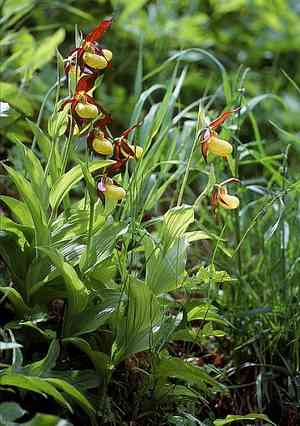
To successfully propagate the lady's slipper orchid, one must comprehend its specific cultivation requirements. Being an orchid, the lady's slipper orchid flourishes when its rhizome structure is carefully separated during the process of repotting. Gently divide the rhizomes using sanitized instruments, making certain that every section possesses a minimum of one active growth point. Promptly place these divisions into a specialized orchid substrate to avert drying out and encourage robust root formation. Consistent irrigation and sufficient shade will aid the nascent growth in becoming well-established.
When Is the Best Time to Multiply Lady's Slipper Orchid?
Method of Multiplication
Splitting
Multiplication Period
Spring,Autumn
What Implements Are Utilized in Lady's Slipper Orchid Multiplication?
Sterile Gloves
Sterile gloves are crucial when multiplying lady's slipper orchid to prevent the spread of diseases and pathogens. This is vital due to the vulnerability of lady's slipper orchid's roots to fungal infections, which can be worsened by handling with uncleaned hands.
Sharp, Sterile Knife
A sharp, sterile knife is essential for efficiently dividing lady's slipper orchid's root mass. Sterility prevents pathogen transmission, while a sharp blade ensures clean cuts, minimizing harm to the plant's delicate tissues, which is key for the successful establishment of divided portions.
Rooting Hormone
Rooting hormone can be advantageous when multiplying lady's slipper orchid by division. It encourages faster root development on new divisions, improving the survival rate of multiplied sections by fostering robust root growth.
Water Tray
A water tray is employed immediately after division to maintain humidity around lady's slipper orchid's roots, which is critical for their recovery and re-establishment. Keeping roots hydrated without waterlogging is a delicate balance necessary for lady's slipper orchid's health.
Quality Potting Mix
A high-grade potting mix formulated for orchids, offering the correct balance of nutrients and drainage, is indispensable. For lady's slipper orchid, which demands precise water and air balance at the roots, the right potting mix aids newly divided plants in successful establishment.
Pot with Proper Drainage
A pot with adequate drainage ensures excess water can exit, which is especially important for lady's slipper orchid to avert root rot. The correct pot helps maintain an optimal moisture level around the roots, a critical factor during the multiplication phase to ensure the plant's long-term viability.
How to Multiply Lady's Slipper Orchid?
Multiplication Difficulty
Simple
How to Nurture Your Newly Multiplied Lady's Slipper Orchid?
How to Nurture Your Newly Multiplied Lady's Slipper Orchid?
Following multiplication, continue to care for lady's slipper orchid by placing it in a shaded or partially shaded location with cool temperatures. Water the plant when the top inch of soil becomes dry, but ensure the pot drains well to prevent root rot. Maintain humidity around the plant by misting. Fertilize every four to six weeks during the growing season with a balanced orchid fertilizer diluted to half strength. Be vigilant for pests and diseases, and inspect the plant regularly, addressing any issues promptly with appropriate measures.
Common Errors to Avoid When Multiplying Lady's Slipper Orchid
Excessive Watering
A frequent error is overwatering lady's slipper orchid. Too much moisture can lead to root rot and fungal diseases, which can be harmful to its health and hinder successful multiplication.
Insufficient Humidity
Often, cultivators fail to maintain a high humidity environment for lady's slipper orchid, which is vital for its growth. Inadequate humidity can cause dehydration and stress, negatively impacting multiplication efforts.
Using Poor Soil Mix
Another mistake is using an unsuitable soil mix. Lady's slipper orchid requires a specific type of well-draining soil mix that mimics its natural habitat. Inappropriate soil can impede root development and plant vigor.
Ignoring Mycorrhizal Associations
Lady's slipper orchid relies on a symbiotic relationship with fungi in the soil. Not incorporating mycorrhizal fungi can lead to unsuccessful multiplication because these fungi are essential for the plant's nutrient absorption.
Direct Sunlight Exposure
Exposing lady's slipper orchid to direct sunlight is an error. It prefers filtered light. Direct sunlight can cause leaf scorch and excessive heat, which can stress the plant and affect multiplication success.
Advice For Multiplying Lady's Slipper Orchid
Maintain Optimal Humidity
Ensure lady's slipper orchid is in a high humidity environment, as this mimics its natural growing conditions and is crucial for successful multiplication.
Well-Draining Substrate
Use a well-draining substrate specifically for lady's slipper orchid that includes organic materials to promote healthy root growth. This helps provide the necessary aeration and moisture retention.
Incorporate Mycorrhizal Fungi
Inoculate the soil with mycorrhizal fungi to replicate the symbiotic relationship lady's slipper orchid has in the wild. This enhances its ability to absorb nutrients, benefiting its overall multiplication success.
Indirect Light
Provide lady's slipper orchid with indirect, diffused light to prevent leaf burn and mimic the light conditions of its native habitat, which is crucial for multiplication.
Appropriate Watering
Water lady's slipper orchid thoroughly but allow the soil to partially dry between waterings. Overly moist soil can lead to root problems, so proper watering is essential for healthy multiplication.



