How Much Sunlight Do Manyspike flatsedge Need?
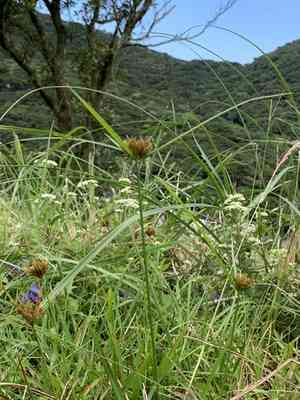
1
Manyspike flatsedge flourishes in bright sun, requiring more than 6 hours of direct illumination each day.
2
It is also able to withstand some shade, particularly during the warmest periods of the day.
3
Observe your plant frequently to modify its light access as its requirements evolve.
Ideal Light Conditions for Manyspike flatsedge
Direct Sunlight
Manyspike flatsedge thrives best with ample direct sunlight. Ideally, this means the plant should receive a minimum of 6 hours of unfiltered sun daily. Full sun exposure aids Manyspike flatsedge in developing vibrant, green foliage, as light is vital for photosynthesis, which drives growth.
Partial Shade Tolerance
While direct sun is preferred, Manyspike flatsedge is quite adaptable and can endure partial shade. This makes it suitable for gardens with varied light levels. During the warmest parts of the day, particularly in summer, some shade can help prevent leaf scorching and stress from intense heat.
Daily Illumination Duration
For peak growth, aim to provide Manyspike flatsedge with at least 6-8 hours of light each day. If cultivating indoors, positioning it near a south or west-facing window can help ensure sufficient light. Regularly observe the plant for indications of light stress, which would signal too much or too little sun.
Recognizing Light Stress in Manyspike flatsedge
Signs of Insufficient Illumination
A primary indicator of inadequate light for Manyspike flatsedge is elongated or 'stretched' growth. This occurs as the plant reaches towards the light source. Furthermore, if you observe pale or yellowing leaves, it may suggest your plant isn't getting enough sunlight. The growth rate might also decrease considerably in low-light environments.
Symptoms of Excessive Illumination
Conversely, too much sunlight can also be detrimental. Look for signs such as browned or scorched leaf edges, especially if Manyspike flatsedge is exposed to strong afternoon sun. Drooping leaves, even with proper watering, can also indicate that your plant is experiencing light stress due to excessive sunlight. If these symptoms appear, consider adjusting its light exposure.
Strategies for Modifying Light Conditions for Manyspike flatsedge
Utilizing Supplemental Lighting
When natural sunlight is insufficient, consider supplementing with artificial light. Full-spectrum grow lights that mimic natural sunlight can be beneficial for Manyspike flatsedge. Ensure the light is positioned at the correct distanceâtypically, about 30 cm (12 inches) from the plantâto prevent light burn.
Relocating the Plant
Sometimes, simply moving the plant can make a significant difference. If your Manyspike flatsedge isn't thriving in its current location, try moving it to a spot that receives more sunlight. For outdoor plants, track the sun's path and place the plant in an area that maximizes its exposure to morning light, which is generally less intense than afternoon sun.
Pruning for Light Management
Pruning can also aid in managing light exposure effectively. Remove any dead or excess foliage to ensure that the remaining leaves receive ample light. Additionally, trimming back nearby plants that might be shading your Manyspike flatsedge can significantly improve its light conditions.



