How to Prune Manyspike flatsedge?
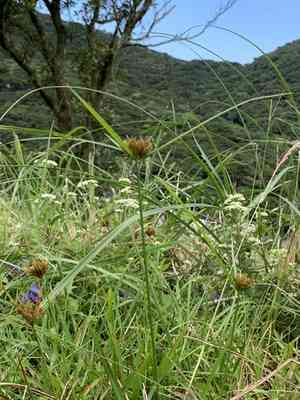
This perennial, resembling grass and growing in clumps, manyspike flatsedge flourishes in moist environments and displays spiky flower clusters. Trimming entails severing the entire plant down to the soil surface to stimulate fresh development and preserve a neat look. The most effective time for this is in early spring or winter when the plant is inactive. Consistently eliminating aged or lifeless leaves aids the plant by fostering more robust, energetic growth and averting illness. Always employ sanitized, keen implements to avert harm and contamination.
What Are the Benefits of Pruning Manyspike Flatsedge?
What Are the Benefits of Pruning Manyspike Flatsedge?
Trimming manyspike flatsedge promotes robust new development and helps maintain a tidy form, ensuring peak plant vitality and visual appeal.
What Is the Best Time for Pruning Manyspike Flatsedge?
What Is the Best Time for Pruning Manyspike Flatsedge?
Trimming manyspike flatsedge in early spring aligns with the period just before the growth season begins, which encourages strong development and allows the plant to recover swiftly. This timing also enables gardeners to remove any winter damage and shape the plant for the upcoming season. During winter, the plant's growth naturally slows, making it an ideal time to prune without causing excessive stress. Winter pruning can also prevent the spread of diseases that are more active in warmer, moister conditions. It is crucial to avoid pruning manyspike flatsedge during its active growth phases, typically from late spring to summer, to prevent disrupting its natural growth cycle and subsequent seed production.
What Tools Do I Need to Prune Manyspike Flatsedge?
Hand Pruners
Perfect for shaping and trimming manyspike flatsedge, offering precise cuts for slender stems and foliage. Ergonomic designs lessen hand fatigue during extensive pruning tasks.
Grass Shears
Effective for cutting through the grass-like leaves of manyspike flatsedge with clean, even strokes. These shears are excellent for maintaining neat edges and controlling the plantâs expansion.
Garden Scissors
Suitable for snipping off spent blooms and dead or yellowing leaves of manyspike flatsedge, allowing for careful thinning and deadheading that fosters healthy growth and appearance.
Long-handled Shears
Helpful for reaching into dense clusters of manyspike flatsedge without disturbing nearby plants, providing better leverage and reach, and reducing the need for the gardener to bend.
Sharpening Tool
Crucial for keeping all pruning tools sharp and effective, as a clean cut is vital for the health of manyspike flatsedge, minimizing potential damage or entry points for disease.
How to Prune Manyspike Flatsedge
Clean Tools
Sanitize pruning shears or scissors before beginning to prevent disease transmission. Wipe blades with rubbing alcohol or a 1:9 bleach-to-water solution.
Trim Diseased Leaves
Carefully remove any diseased leaves from manyspike flatsedge by cutting at the leaf's base where it connects to the stem. Ensure a clean cut without tearing to avoid unnecessary plant stress.
Trim Withered Leaves
Identify and prune away withered leaves on manyspike flatsedge, cutting where they meet healthy tissue. This will improve air circulation and light penetration, crucial for healthy growth.
Disposal
Properly dispose of removed diseased and withered leaves to prevent the spread of potential pathogens within your garden area.
Clean Up
Clean pruning tools again after use to maintain sterility. Also, gently clear away any remaining debris from around the plant to maintain a tidy growing space for manyspike flatsedge.
Common Pruning Mistakes with Manyspike Flatsedge
Using Dull Tools
Blunt pruning tools can crush or tear manyspike flatsedge stems, potentially leading to disease and poor regrowth.
Over Pruning
Removing too much foliage can stress manyspike flatsedge, hindering its ability to grow and thrive, as it requires sufficient leaves for photosynthesis.
Improper Cut Location
Cutting too close or too far from the main stem can cause damage or improper healing, affecting manyspike flatsedge's health and appearance.
Ignoring Dead Material
Failing to remove dead or yellowing foliage can deprive manyspike flatsedge of the energy needed for new growth and can attract pests or diseases.
Common Pruning Tips for Manyspike Flatsedge
Sharp Tools
Utilize sharp, clean pruning shears or scissors to make precise cuts that will heal quickly and minimize stress on manyspike flatsedge.
Selective Pruning
Carefully choose which stems to trim, focusing on thinning out overgrown areas to enhance air circulation and light penetration throughout manyspike flatsedge.
Cut Angle
Make cuts at a 45-degree angle to prevent water accumulation and promote rapid healing.
Post-Pruning Care
After pruning, ensure manyspike flatsedge receives adequate water, light, and nutrients to support recovery and new growth.



