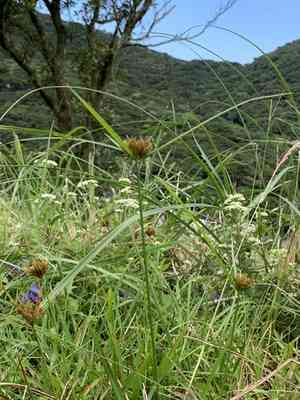
Manyspike flatsedge (Cyperus polystachyos)
Also known as: Many-Spiked Sedge, Bunchy Sedge
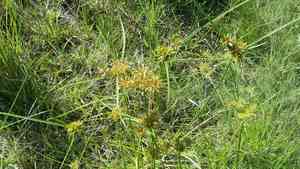
Manyspike flatsedge (Cyperus polystachyos) is a low-growing sedge known for its distinctive, densely packed spikelets forming cylindrical seed heads. While it lacks ornamental value, it frequently appears as a weed in gardens and disturbed areas. This plant is commonly found in natural settings such as wetland edges, marshes, and ditches. Its characteristic seed heads typically emerge in late summer to early fall.
In This Article
Attributes of Manyspike flatsedge
Lifespan
Perennial, Annual, Biennial
Plant Type
Grass
Plant Height
15 cm to 60 cm
Spread
60 cm
Leaf Color
Green
Flower Size
1 cm to 2.5 cm
Flower Color
Yellow Green Brown Red Gray
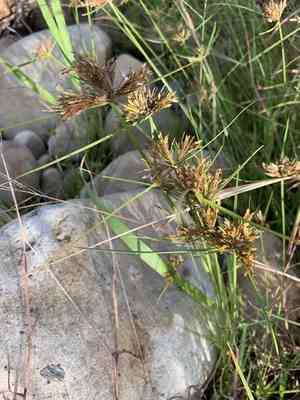
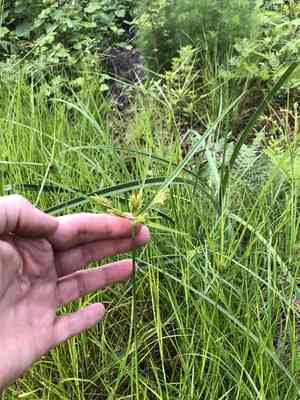
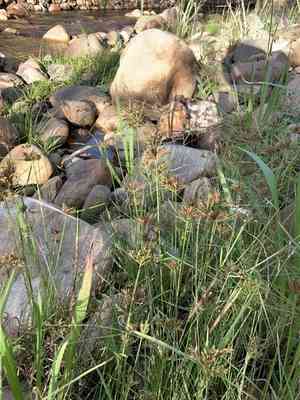
Images of Manyspike flatsedge
Quickly Identify Manyspike flatsedge
1
To identify Cyperus polystachyos, look for its characteristic clumping growth habit and multiple spikelets per stem. The leaves are grass-like, and the plant often has a triangular stem cross-section, a common trait in sedges.
Scientific Classification of Manyspike flatsedge
Phylum
Vascular plants
Class
Monocotyledons
Order
Poales
Family
Sedge
Genus
Nutgrasses
Species
Manyspike flatsedge
Planting and Growing of Manyspike flatsedge
Care Difficulty
Easy
Watering Schedule
Every 3 days
Sunlight Requirements
Partial sun
Sunshine Duration
4-8 hours
Ideal Temperature
70-85℉
Soil Type
Potting Mix, Peat Mix
Soil pH
6.5-7.5
Fertilizer Type
Balanced
Pruning Season
Spring, Summer
Pruning Area
Branches, Leaves
Pruning Frequency
2 times a year
Repotting Season
Spring
Pot Type
Plastic, Ceramic
 How to Water Manyspike flatsedge?
Cyperus polystachyos thrives in moist conditions, so aim to keep the soil consistently damp but not waterlogged. As a rule of thumb, you want to provide enough water to saturate the soil to a depth of 5-7cm, which usually equates to about 300 ml per watering session for a medium-sized pot.
What are the symptoms of an underwatered Manyspike flatsedge?
›
What should I do if my Manyspike flatsedge is not getting enough water?
›
What are the symptoms of an overwatered Manyspike flatsedge?
›
How to save an overwatered Manyspike flatsedge?
›
 What Are the Sunlight Requirements for Manyspike flatsedge?
Cyperus polystachyos thrives best in partial to full sun conditions. Adequate light fosters healthy growth, vibrant color, and robust plant structure, supporting photosynthetic efficiency and oxygen production.
More About Sunlight Requirements Techniques→
Optimal Exposure
›
Managed Sunlight
›
Consistent Monitoring
›
 What Is the Ideal Temperature Range for Manyspike flatsedge?
For optimal growth, Cyperus polystachyos thrives in a temperature range between 70°F and 85°F. This range simulates its natural tropical and subtropical environment, ensuring robust growth and health. Maintaining this temperature helps keep the plant actively growing and avoids stress-related issues.
 What Soil is Best for Manyspike flatsedge?
Cyperus polystachyos thrives in nutrient-rich loamy soils that provide essential minerals. Such soil not only supports healthy growth but also enhances the plant's ability to produce lush foliage and vibrant flowers. The plant requires well-draining soil to prevent waterlogging, which can lead to root rot. Proper drainage ensures that the roots receive adequate oxygen, promoting strong root development and overall plant vigor. While good drainage is important, the soil should also retain some moisture to keep the plant hydrated between waterings. This balance is critical for maintaining the plant's health in periods of low rainfall.
 How to Fertilize Manyspike flatsedge?
Cyperus polystachyos generally requires moderate amounts of fertilizer. Begin with a half-strength liquid fertilizer and see how the plant reacts. If the plant seems healthy and is performing well, there is no need to increase the dosage. Ensure you're not over-fertilizing to prevent nutrient burn.
 How to Prune Manyspike flatsedge?
Begin by removing any dead, damaged, or diseased stems. Use clean, sharp pruning shears to trim these down to the base of the plant. This helps prevent the spread of disease and encourages new growth. Carefully trim back excess growth to maintain a tidy appearance. Aim to create a pleasing, rounded shape by cutting established stems to the desired height. This encourages bushier growth and a more compact form. Thin out areas where the stems are densely packed. This increases air circulation within the plant, reducing the risk of fungal issues and allowing sunlight to penetrate, which promotes healthy growth throughout the plant.
More About Pruning Techniques→
 How to Propagate Manyspike flatsedge plant?
1
Harvest seeds from mature plants when the seed heads are dry and brown. Carefully shake the seeds into a paper bag or container. Store them in a cool, dry place if not sowing immediately.
2
Fill a seed tray with a well-draining seed-starting mix. Sprinkle the seeds on the surface of the soil and lightly press them in. Water gently to ensure even moisture, and place the tray in a warm, sunny area.
3
In early spring or summer, use a garden fork to dig up a clump of Cyperus polystachyos. Shake off excess soil and gently separate the roots into smaller sections, each with healthy shoots. Replant immediately in a prepared bed.
 How to Repot Manyspike flatsedge plant?
1
Repot Cyperus polystachyos when you notice roots growing out of the pot's drainage holes or when the plant appears top-heavy and struggles to stay upright. Signs like wilting, despite watering, can also indicate the need for a larger pot to accommodate the plant's growing roots.
2
Select a pot that is 1-2 inches larger in diameter than the current one, with adequate drainage holes. A larger pot encourages healthy root growth and prevents waterlogging, which can lead to root rot. Opt for a pot made from breathable materials, such as terracotta, to enhance aeration.
3
Use a well-draining potting mix, ideally one that contains a mix of peat, perlite, and sand. This combination provides sufficient drainage and aeration to prevent water stagnation while retaining enough moisture to keep the plant hydrated and thriving.



