How to Propagate Manyspike flatsedge?
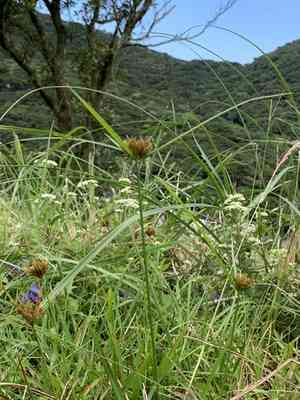
Manyspike flatsedge is effectively multiplied by means of division, a technique where cultivators split its thick, intertwined root structures to generate additional specimens. Hobbyists ought to choose robust clusters for division, making certain every new segment possesses sufficient roots and sprouts for thriving development. This approach is especially potent because it preserves the genetic makeup of the original manyspike flatsedge, leading to uniform plant traits in the progeny, and facilitates a swift expansion of inventory.
Optimal Period for Manyspike Flatsedge Propagation
Propagation Method
Splitting
Propagation Period
Spring,Autumn
Tools Required for Manyspike Flatsedge Propagation
Sharp Blade or Garden Clippers
A keen blade or garden clippers are vital for making clean cuts through the root systems of manyspike flatsedge during the splitting process. Precise cuts help prevent harm to plant tissues, lowering disease risk and promoting faster recovery and development. Sterilizing the tool before use will further prevent pathogen introduction.
Gardening Handwear
Wearing gardening handwear is essential when handling manyspike flatsedge to shield hands from any sharp edges of the plant material and to ensure clean handling. Handwear also prevents the transfer of harmful bacteria or fungi between plants during the splitting process.
Watering Can with a Gentle Spray Nozzle
Following the division of manyspike flatsedge, it is crucial to water the plants gently yet thoroughly to help minimize transplant shock and encourage re-establishment in their new environment. A watering can with a gentle spray nozzle delivers water evenly without dislodging soil or harming the delicate, newly divided plants.
Potting Medium
A premium potting medium suitable for aquatic plants is recommended for potting up newly divided sections of manyspike flatsedge. The potting medium should retain moisture yet drain well to support hydration needs without causing waterlogging, which can be detrimental to the plantâs root health.
Plant Tags and Marker
Utilizing plant tags and a waterproof marker to label newly propagated divisions of manyspike flatsedge is crucial for tracking their progress and maintaining accurate identification. This is particularly useful in nurseries or gardens where numerous plant varieties are cultivated and managed.
How to Propagate Manyspike Flatsedge?
Propagation Type
Simple
How to Nurture Your Newly Propagated Manyspike Flatsedge?
How to Nurture Your Newly Propagated Manyspike Flatsedge?
Post-propagation, ensure manyspike flatsedge is kept in conditions that mimic its natural wetland habitat. Maintain consistently moist soil, avoid letting it dry out, and provide partial to full sunlight. Monitor for signs of stress or pests, and apply a balanced, slow-release fertilizer annually to support healthy growth.
Common Errors to Avoid When Propagating Manyspike Flatsedge
Excessive Watering
Propagating manyspike flatsedge in overly wet conditions can lead to root rot, as the plant prefers moist but well-drained soil. Overwatering can inhibit root development and increase susceptibility to diseases.
Too Much Sunlight
While manyspike flatsedge does enjoy light, exposing the plant to intense direct sunlight during the propagation phase can cause scorching of young shoots and leaves. This stress can hinder growth and reduce survival rates.
Neglecting Sterile Environment
Using contaminated tools or soil for propagation can introduce diseases to manyspike flatsedge. This mistake can severely affect plant health, impeding growth or killing young plants.
Cutting Rhizomes Too Short
Propagating manyspike flatsedge from very short segments of rhizomes might not provide enough energy reserves for successful growth and establishment. This can result in failed propagation efforts.
Advice for Propagating Manyspike Flatsedge
Utilize Healthy Parent Plants
Selecting robust and disease-free specimens of manyspike flatsedge for propagation ensures a stronger start for the new plants, increasing the likelihood of successful establishment and growth.
Maintain Moisture Equilibrium
Keeping the soil consistently moist but not waterlogged when propagating manyspike flatsedge supports optimal root development without risking root rot.
Provide Partial Shade
Protecting manyspike flatsedge from direct sunlight during initial growth stages by providing partial shade can help manage light exposure, preventing leaf burn while still promoting healthy growth.
Sanitize Tools and Equipment
Disinfecting propagation tools and using sterile planting media prevent the spread of pathogens to manyspike flatsedge, safeguarding the health of the propagated plants.



