How Much Sunlight Do Florida swamp-lily Need?
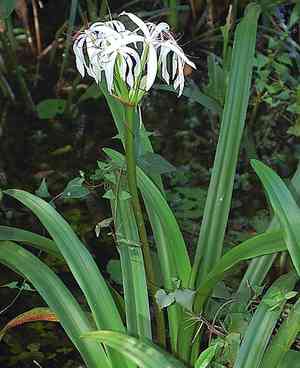
1
Florida swamp-lilies flourish with more than six hours of direct sun each day.
2
Florida swamp-lilies can endure partial sun, roughly 3-6 hours, though this might impact their flowering.
3
Do not position Florida swamp-lilies in excessively shaded spots to avoid inhibited development and sparse blooms.
What are the Illumination Requirements for Florida swamp-lily Plants?
Grasping Florida swamp-lily Light Preferences
The Florida swamp-lily, a striking and visually appealing plant, is recognized for its abundant foliage and magnificent blossoms. To optimize this plant's vitality and beauty, comprehending its light preferences is crucial. This plant flourishes in full sun, ideally receiving over 6 hours of direct sunlight daily. However, it can also endure partial sun conditions, getting between 3 to 6 hours of sunlight. Understanding these preferences helps guarantee your plant remains healthy and vibrant throughout its life cycle.
Optimal Light Conditions for Florida swamp-lily
For peak development, position your Florida swamp-lily where it can absorb direct sunlight for at least 6 hours each day. This aids in enhancing its photosynthesis process, promoting vigorous growth and prolific flowering. While the plant can tolerate partial sun, extended exposure to full sunlight leads to superior bloom quality and overall plant health. Be sure to consider your garden or indoor area's orientation to maximize its sun exposure.
How to Ensure Adequate Light for Florida swamp-lily
Positioning Your Florida swamp-lily for Best Light
To guarantee your Florida swamp-lily receives the ideal amount of light, placement is vital. Outdoors, situate the plant in a south or west-facing spot where it can enjoy ample sunlight. If cultivating indoors, place it near a bright window, ideally one facing south, to capture the maximum possible light. Additionally, rotating the plant periodically can ensure uniform light exposure, fostering balanced growth.
Modifying Indoor and Outdoor Light for Florida swamp-lily
Adjusting the light exposure for your Florida swamp-lily depends on its indoor or outdoor placement. For indoor plants, supplement natural light with grow lights if needed, especially during winter months when daylight is reduced. Outdoors, consider seasonal shifts and the sun's path; employ garden aids like reflective surfaces or shade nets when necessary to balance light exposure and safeguard the plant during peak sun intensity.
Indicators of Excessive or Insufficient Light for Florida swamp-lily
Signs of Inadequate Light Exposure
It's important to observe your Florida swamp-lily for indications of insufficient light exposure. Watch for symptoms such as stretched growth, smaller leaves, and reduced blooming. The foliage might appear pale instead of its usual vibrant green, signaling inadequate light for proper photosynthesis. Address low light conditions promptly to prevent lasting harm to your plant.
Symptoms of Too Much Light
While Florida swamp-lily enjoy full sun, excessive exposure can also be harmful. Signs of too much light include leaf scorch, where leaf edges turn brown and crisp. You might also notice wilting during the hottest parts of the day, despite sufficient watering. Providing some afternoon shade or relocating the plant to a slightly less intense light environment can help alleviate these issues.
Seasonal Light Considerations for Florida swamp-lily
Adjusting Light Exposure Across Seasons
Light intensity and duration vary with the seasons, impacting your Florida swamp-lily. During summer, ensure the plant gets enough light without overexposure by potentially providing filtered sunlight during peak hours. In winter, move potted plants to brighter spots or use supplementary grow lights to compensate for shorter daylight hours. Monitoring and adjusting light exposure throughout the year keeps your plant healthy and thriving.
Protecting Florida swamp-lily from Seasonal Light Changes
To shield your Florida swamp-lily from fluctuating seasonal light, plan ahead. In spring and fall, observe changes in light patterns and adjust the plant's position if necessary. During very hot summer days, consider using a shade cloth to prevent leaf burn. Conversely, in winter, ensure your plant is not deprived of essential light by bringing it indoors or using artificial lights. Preparing for these seasonal changes ensures your plant continues to receive appropriate light year-round.



