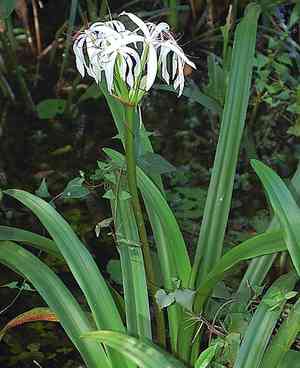
Florida swamp-lily (Crinum americanum)
Also known as: Southern swamp crinum, American crinum, Southern swamp lily
The Florida swamp-lily, characterized by its white flowers and long, delicate purple stamens, flourishes in wet, swampy settings or around garden water features. This fragrant plant is easy to cultivate and thrives in consistently moist, shaded environments.
In This Article
Attributes of Florida swamp-lily
Lifespan
Perennial
Plant Type
Herb
Plant Height
61 cm to 1.2 m
Spread
30 cm to 60 cm
Leaf Color
Green
Flower Size
8 cm to 15 cm
Flower Color
White
Images of Florida swamp-lily
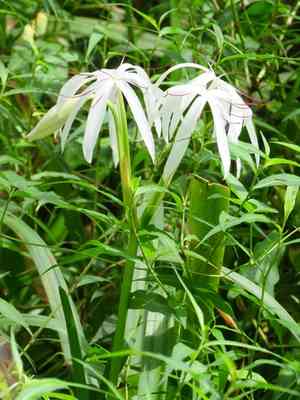
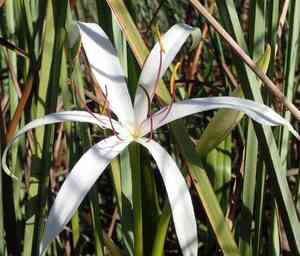
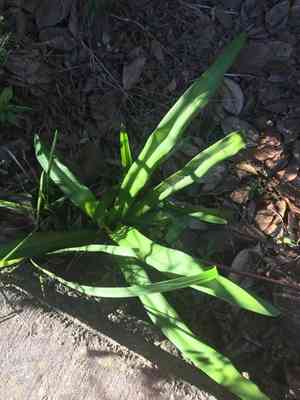
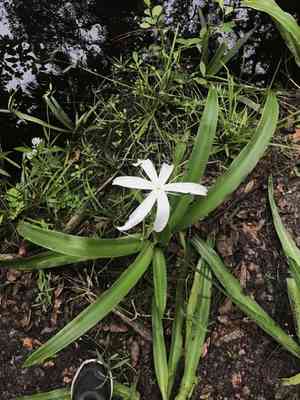
Quickly Identify Florida swamp-lily
1
Strap-like leaves up to 3 feet (90 cm) long, arching gracefully from the bulb.
2
Large, lily-like flowers with long, white to blush pink petals and purple stamens.
3
Distinctive reddish stem, 1 inch (2.5 cm) diameter, devoid of attached leaves.
4
Aquatic perennial thriving in water depths of 1-6 inches (2.5-15 cm).
5
Elegant trumpet-shaped flowers in clusters of 2-6, blooming from June to November.
Scientific Classification of Florida swamp-lily
Phylum
Vascular plants
Class
Monocotyledons
Order
Asparagales
Family
Amaryllis
Genus
Crinum
Species
Florida swamp-lily
Planting and Growing of Florida swamp-lily
Care Difficulty
Easy
Watering Schedule
Every 4 days
Sunlight Requirements
Full sun
Sunshine Duration
4-6 hours
Ideal Temperature
68-77℉
Soil Type
Potting Mix, Peat Mix
Soil pH
6.5-7.5
Fertilizer Type
Balanced
Pruning Season
Spring, Summer
Pruning Area
Branches, Leaves
Pruning Frequency
2 times a year
Repotting Season
Spring
Pot Type
Plastic, Ceramic
 How to Water Florida swamp-lily?
Crinum americanum thrives best when its soil is consistently moist but not waterlogged. It's important to water until the soil becomes damp to a depth of about six inches. The goal is to ensure that water reaches the root zone while avoiding puddles or standing water, which can promote root rot.
What are the symptoms of an underwatered Florida swamp-lily?
›
What should I do if my Florida swamp-lily is not getting enough water?
›
What are the symptoms of an overwatered Florida swamp-lily?
›
How to save an overwatered Florida swamp-lily?
›
 What Are the Sunlight Requirements for Florida swamp-lily?
Half to full-day sunlight is ideal for Crinum americanum, encouraging lush foliage and abundant flowering. Adequate light promotes photosynthesis, ensuring vibrant blooms and a healthy growth pattern for the plant.
More About Sunlight Requirements Techniques→
How Much Sun Does Crinum americanum Need?
›
What Are the Solutions to Get Optimal Sunlight?
›
What Are the Effects of Ideal Sunlight Exposure?
›
 What Is the Ideal Temperature Range for Florida swamp-lily?
The ideal temperature range for Crinum americanum is between 68°F and 77°F. This range ensures optimal growth and flowering. Temperatures within this range keep the plant's metabolic processes functioning efficiently, enhancing photosynthesis and nutrient absorption. Maintaining this range also acts as a deterrent to potential pests and diseases.
 What Soil is Best for Florida swamp-lily?
Crinum americanum thrives best in soil that retains moisture well. This is essential as the plant naturally grows in swampy areas. Adequate moisture levels are crucial for its lush foliage and the production of its striking white flowers. To support its robust growth and flower production, this plant requires soil enriched with organic matter. Nutrient-dense environments provide the essential elements needed for healthy root development and overall plant vigor. While Crinum americanum needs moisture, it also requires well-drained soil to prevent waterlogging, which can lead to root rot. Ensuring good drainage helps maintain optimal soil conditions, safeguarding the plant against potential fungal infections.
 How to Fertilize Florida swamp-lily?
Crinum americanum thrives with a balanced nutrient supply. Each time you provide liquid fertilizer, use a proportion that is around half of what is recommended for indoor plants. For slow-release fertilizers, sprinkling a light layer around the base of the plant works best. This ensures the roots have access to nutrients without overwhelming them.
 How to Prune Florida swamp-lily?
Start by examining your Crinum americanum for any dead or yellowing leaves, which are common sights. Use sharp, clean pruning shears to cut these leaves at their base, near the bulb, to prevent disease spread. Make sure to cut at an angle to allow water to runoff rather than pooling on the cut surface. Trim any flower stalks that are spent or wilting to encourage the plant to focus its energy on developing new blooms and maintaining overall health. After pruning, clean up any fallen debris around the plant to deter pests and rot.
More About Pruning Techniques→
 How to Propagate Florida swamp-lily plant?
1
Harvest seeds from mature Crinum americanum flowers after they have dried on the plant. Ensure the seeds are fully matured and dry them in a cool, airy place to prevent mold. Store the seeds in a paper envelope until ready for sowing.
2
Dig up the plant carefully to expose the bulbs. Use a sharp, sterile knife to divide the bulbs, ensuring each section has a healthy root system and shoot. Replant immediately to prevent the bulbs from drying out.
3
Fill the seedling tray with a well-draining potting mix. Sow the seeds on the surface and cover lightly with soil. Water gently and place the tray in a warm, bright location. Keep the soil consistently moist but not waterlogged until germination.
 How to Repot Florida swamp-lily plant?
1
Observe your Crinum americanum closely; if you see roots growing through the drainage holes or notice a slowdown in growth despite ample care, it's a sign that the plant needs repotting. The best time to do this is in the warmer months of spring or summer when the plant is in its active growth phase. This timing ensures that the plant can recover and take advantage of the growth conditions quickly.
2
Select a pot that is slightly larger than the current one, ensuring it has ample drainage holes. The right pot provides room for root expansion while preventing waterlogging, which is crucial for preventing root rot. Opting for a breathable material like clay can further help in regulating soil moisture levels.
3
Choose a well-draining, nutrient-rich soil mix suitable for bulbs. The right soil will maintain moisture without becoming soggy, offering essential nutrients to support new root development and overall plant health. Avoid overly dense soils that could lead to water retention and root damage.
Toxicity
Ingestion
WARNING
The judgment on toxicity and danger is for reference only. We DO NOT GUARANTEE any accuracy of such judgment. Therefore, you SHALL NOT rely on such judgment. It is IMPORTANT TO SEEK PROFESSIONAL ADVICE in advance when necessary.
Learn More About Florida swamp-lily Diseases
Anthracnose
Bacterial Leaf Spot
Bacterial Soft Rot
Bacterial Wilt
Crown Gall
Cyst Nematode
Damping-off
Downy Mildew
Drought Stress
Fusarium Wilt
Gray Mold
Leaf Spot
Mosaic
Nutrient Deficiency
Nutrient Toxicity
Powdery Mildew
Root Rot
Root-knot Nematode
Rusts
Sooty Mold
Spider Mites
Temperature Stress
Thrips Damage
White Mold



