Boost Growth: How and When to Repot Your Florida swamp-lily Plant
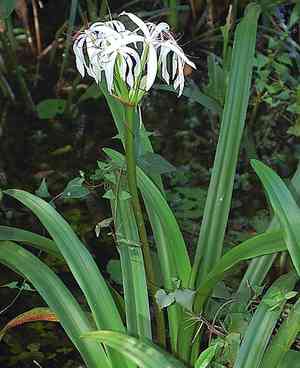
1
The optimal period to transplant Florida swamp-lily is during late winter or early spring.
2
Confirm the new container is at least 2-3 cm (1 inch) wider in diameter than its predecessor.
3
Florida swamp-lily flourishes in porous soil, a blend of peat and perlite.
Why Replant Florida swamp-lily?
Understanding the Growth Pattern of Florida swamp-lily
Florida swamp-lily, a striking member of the Crinum family, are known for their robust growth and enchanting flowers. Understanding their growth cycle is crucial in determining the best time to repot. These plants usually experience a significant growth spurt in spring. Repotting during this period gives them ample room to grow and ensures that the roots have enough space to expand.
Identifying Indicators That it's Time to Replant
Recognizing when it's time to repot your Florida swamp-lily can save your plant from numerous health issues. Look for signs such as roots protruding from drainage holes, the plant becoming top-heavy or the soil drying out quickly after watering. These indicators suggest that your Florida swamp-lily has outgrown its current pot and needs more room to maintain its healthy growth.
Choosing the Right Container and Substrate
Selecting the Ideal Pot Size and Material
When selecting a pot for your Florida swamp-lily, aim for one that is 2-3 cm (1 inch) larger in diameter than the current pot. The material of the pot is also important; terracotta pots are great for their breathability, while plastic pots retain moisture better. Ensure the pot has adequate drainage holes to prevent root rot.
Best Soil Mix for Florida swamp-lily
Florida swamp-lily thrive in a well-draining soil mix. A good combination includes peat, perlite, and compost in equal parts. This mixture ensures that excess water drains away while retaining enough moisture for the roots. Adding a layer of gravel at the bottom of the pot can also help improve drainage.
Step-by-Step Guide to Replanting Florida swamp-lily
Preparing Your Plant and Workspace
Start by gathering all necessary materials: a new pot, fresh soil mix, scissors, and a trowel. Lay down some newspaper or a plastic sheet to keep your workspace clean. Water your Florida swamp-lily a day before repotting - this makes it easier to remove the plant from its current pot.
The Process: Removing, Trimming, and Replanting
Gently remove the Florida swamp-lily from its current pot by turning it upside down and tapping the bottom. Once out, inspect the roots and trim any that are dead or diseased. Place a small amount of soil mix in the new pot, situate the plant in the center, and fill in with more soil around the roots. Press the soil down lightly to remove air pockets.
Aftercare for Your Newly Replanted Plant
After repotting, water the Florida swamp-lily thoroughly but avoid soaking it. Place the plant in a shaded area for a few days to allow it to adjust to its new environment. Gradually reintroduce it to its original spot, making sure it receives plenty of indirect light. Keep a close watch on the soil moisture and water as needed.
Common Challenges in Replanting Florida swamp-lily
Dealing with Root Rot or Pests During Replanting
Root rot can be a common issue if the Florida swamp-lily is overwatered or if the soil drains poorly. During repotting, inspect the roots and trim any that appear brown and mushy. Pests like aphids or spider mites can also be problematic. Treat affected plants with insecticidal soap or neem oil before repotting.
Tips to Avoid Damaging Your Plant
Repotting can be stressful for Florida swamp-lily, so handle with care. Avoid pulling the plant by its stems; instead, gently loosen the roots from the pot. Use sterilized scissors for trimming to prevent introducing diseases. Lastly, ensure you are repotting at the right time of year to minimize shock - late winter or early spring is ideal.



