How to Prune Florida swamp-lily?
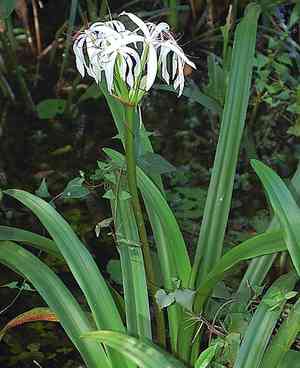
A perennial aquatic species indigenous to the region, florida swamp-lily features graceful white flowers and elongated, strap-shaped foliage. For florida swamp-lily, removing faded blooms encourages additional flowering. Foliage reduction should be kept to a minimum, primarily addressing yellowed or deceased leaves to uphold visual appeal and plant vigor. Year-round trimming is suitable given its continuous development, but refrain from severe cuts to preserve its inherent clustered shape. Advantages of precise pruning encompass improved floral production, decreased susceptibility to ailments, and control over prolific self-propagation.
Advantages of Trimming Florida Swamp-lily
Advantages of Trimming Florida Swamp-lily
Trimming florida swamp-lily promotes more abundant flowering, helps the plant maintain a compact shape, and stimulates robust development. Careful cutting removes spent blossoms and prevents leggy growth, enhancing both visual appeal and plant vitality.
Optimal Time for Pruning Florida Swamp-lily
Optimal Time for Pruning Florida Swamp-lily
Pruning florida swamp-lily from late winter to early spring, just before the active growth period begins, is ideal. This timing allows the plant to recover quickly and channel its energy into new growth. It reduces stress on florida swamp-lily and minimizes disease risk, which can be higher with cuts made during humid or rainy seasons. This period also offers a chance to remove any freeze-damaged foliage from the plant. Avoid pruning during bloom to ensure the display is not compromised, and refrain from heavy pruning in fall, as this can encourage new growth vulnerable to freeze damage.
Necessary Tools for Pruning Florida Swamp-lily
Hand Pruners
Florida swamp-lily is a bulbous plant with strap-like leaves, and its flower stalks can become quite thick. Hand pruners are perfect for selectively cutting back faded flower stalks or removing damaged leaves close to the plant's base. Choose bypass pruners for clean, healthy cuts that promote rapid healing.
Scissors or Snips
For trimming any yellowing or dead foliage, and for precise work on florida swamp-lily, small scissors or floral snips can be useful. They enable more delicate cuts when thinning out the plant's leaves or cutting flowers for arrangements.
Loppers
If florida swamp-lily is mature and has produced a significant amount of foliage, or if you need to cut flower stalks too thick for hand pruners, loppers provide the extra leverage and reach needed for a clean cut without harming the plant.
Garden Knife
For dividing clumps of florida swamp-lily bulbs, a sturdy garden knife is essential. It helps cut through the soil and separate the bulbs without damage. This is especially useful when thinning out a crowded planting or propagating the plant.
How to Prune Florida Swamp-lily
Clean Tools
Sanitize pruning tools before use to prevent disease spread. Use a solution of 1 part bleach to 9 parts water or 70% isopropyl alcohol to clean the blades.
Remove Diseased Leaves
Carefully identify and cut away any diseased leaves of florida swamp-lily at their junction with the stem, minimizing harm to healthy sections.
Remove Withered Leaves
Trim florida swamp-lily's withered leaves, cutting them back to the plant's base to maintain appearance and encourage healthy development.
Trim Dead Branches
Remove dead branches from florida swamp-lily by making a clean cut at the base or where they meet healthy tissue, being careful not to damage the main plant.
Prune Diseased Branches
Cut away any diseased branches of florida swamp-lily by slicing just beyond a node or a healthy section, ensuring no diseased material remains on the plant.
Deadhead Flowers
Deadhead florida swamp-lily by trimming faded flower stems near the base to encourage more blooms and prevent the plant from expending energy on seed production.
Common Pruning Errors with Florida Swamp-lily
Over-Pruning
Removing too much foliage at once can shock florida swamp-lily and impede its growth. Gardeners should remove no more than one-third of the plant's total foliage in a single session.
Uneven Cuts
Making jagged or torn cuts can damage florida swamp-lily's stems, making them vulnerable to disease and pests. Clean, sharp cuts are vital for the plant's health.
Pruning Active Growth
Cutting into green, active growth can prevent florida swamp-lily from flowering. It's crucial to focus pruning on older, brown foliage.
Ignoring Dead Leaves
Failing to remove dead or dying leaves can limit florida swamp-lily's resources for healthy growth and can promote disease spread.
General Pruning Advice for Florida Swamp-lily
Sharp Tools
Use sharp, clean pruning shears or scissors. Sterilize tools before and after pruning florida swamp-lily to prevent disease transmission.
Follow Growth Pattern
Prune florida swamp-lily by adhering to its natural growth pattern, enhancing its shape rather than working against it.
Remove Spent Blooms
Clip off faded blooms to encourage florida swamp-lily to produce more flowers, ensuring cuts are made just above the nearest leaf joint.
Attend To Disease
Regularly inspect and promptly prune away any diseased or insect-infested parts of florida swamp-lily to maintain plant health.



