How Much Sunlight Do Small-leaved cotoneaster Need?
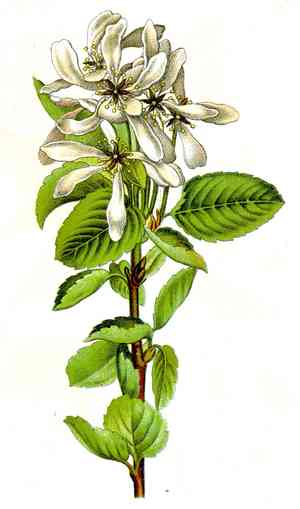
1
The Small-leaved cotoneaster flourishes optimally in abundant sunlight, requiring approximately 6 or more hours of direct sun daily.
2
The Small-leaved cotoneaster can endure some partial shade, though this might impact the vigor of its development and leaf color.
3
Indicators of insufficient light exposure are elongated stems, thin foliage, and diminished bloom production.
Optimal Light Conditions for Small-leaved Cotoneaster
Full Sun vs. Partial Shade
The Small-leaved cotoneaster is a resilient and adaptable plant, thriving in various light conditions, though it has specific preferences. Ideally, it flourishes in full sun, meaning it receives at least six hours of direct sunlight daily, which encourages dense foliage and strong growth. However, it can also endure partial shade, getting about 3-6 hours of direct or filtered light. While it survives in partial shade, its growth may be less vigorous.
Ideal Sunlight Duration
For the Small-leaved cotoneaster to thrive, aim for 6 to 8 hours of daily sunlight. This optimal duration supports the plant's health, ensuring it remains vibrant, compact, and well-branched. In regions with intense afternoon sun that could scorch the plant, morning sun followed by light afternoon shade is perfect. This balance protects the plant while providing ample energy for photosynthesis.
Impact of Different Light Conditions on Small-leaved Cotoneaster
Growth in Full Sun
When cultivated in full sun, the Small-leaved cotoneaster exhibits its finest characteristics. Its foliage becomes more vivid, and the plant develops a compact, well-defined shape. Additionally, increased sunlight can boost flowering, yielding more berries and blooms, which enhances its ornamental appeal. This light condition fosters a healthy, robust growth pattern, contributing to the plant's overall beauty and vitality.
Growth in Partial Shade
In partial shade, the Small-leaved cotoneaster might not achieve the same density as it does in full sun. Its leaves could appear somewhat sparse, and the plant may exhibit etiolated growth, stretching towards available light. While it can remain healthy in these conditions, the plant's vibrancy and compactness might be less pronounced. Furthermore, flowering and fruiting may be less abundant compared to those grown in full sunlight.
Signs of Insufficient Light
Indications of inadequate sunlight in Small-leaved cotoneaster include elongated stems due to stretching for light, sparse leaves, and reduced flowering. Leaf color may also dull, and the plant's overall vigor can decline, making it more vulnerable to pests and diseases. Observing these signs can help in repositioning the plant to ensure it receives sufficient sunlight.
Seasonal Light Requirements for Small-leaved Cotoneaster
Summer Needs
During summer, the Small-leaved cotoneaster requires abundant sunlight to support its growth and development. Full sunlight for 6-8 hours is ideal. Ensure the plant is not exposed to harsh afternoon rays, which could cause leaf scorch. If your climate is particularly severe, consider placing the plant where it receives morning sun and light afternoon shade. Mulching around the base can also help retain moisture and protect it from extreme temperatures.
Winter Considerations
In winter, the Small-leaved cotoneaster's light requirements decrease slightly as it enters dormancy. However, providing as much natural light as possible remains beneficial. If grown indoors, position it near a south-facing window for maximum light exposure. For outdoor plants, ensure they still receive some sunlight, aiming for at least 3-4 hours daily. Shielding the plant from strong winter winds with barriers can also help maintain its health during colder months.
Strategies for Optimizing Sunlight Exposure for Small-leaved Cotoneaster
Planting Location
Select a site where the Small-leaved cotoneaster can receive 6-8 hours of direct sunlight daily. South-facing areas are typically optimal in most regions. Avoid planting near tall structures or trees that might cast long shadows, especially in the latter part of the day. Clear, open spaces can ensure your cotoneaster gets ample sunlight throughout its active growing season.
Shade Management
If your garden has unavoidable shaded areas, try to manage the shade by selectively pruning nearby plants or trees to allow more light. You can also use reflective surfaces like white walls or light-colored mulch to direct more sunlight onto the plant. These minor adjustments can help maximize light exposure for plants in partial shade while ensuring they don't suffer from excessive competition or insufficient light.
Utilizing Reflective Materials
Reflective materials can be a gardener's valuable tool for maximizing sunlight. Items such as white stones, fences, or even reflective Mylar sheets can bounce additional light onto your Small-leaved cotoneaster. This is especially useful in gardens with partial shade or areas with obstructions, ensuring the plant receives as much light as possible. Reflective surfaces should be positioned strategically to enhance exposure without overexposing certain parts of the plant.
Common Errors to Avoid with Small-leaved Cotoneaster Sunlight
Excessive Sunlight Exposure
Although the Small-leaved cotoneaster thrives in sunlight, it can be vulnerable to overexposure, particularly in extremely hot climates. Overexposure can lead to leaf scorch, where leaves develop burn marks and may begin to wilt. Ensure the plant receives some shade during the hottest part of the day if you live in an area with intense sunlight. Monitoring the plant during heatwaves and providing temporary shade can prevent damage.
Placement in Deep Shade
Placing the Small-leaved cotoneaster in deep shade can result in poor growth and less vibrant foliage. These plants require sunlight for photosynthesis, which fuels their growth and health. Deep shade environments might lead to spindly growth and few, if any, flowers or berries. Plant your cotoneaster in a location where it can receive at least several hours of sunlight daily, avoiding dense shade at all costs.



