How to Propagate Small-leaved cotoneaster?
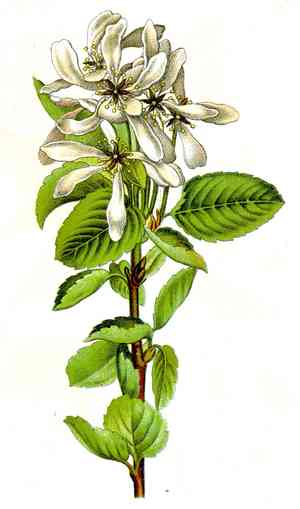
Cotoneaster microphyllus is a adaptable species known for its vigorous development. To achieve successful propagation, utilizing semi-hardwood cuttings is highly effective. Select a healthy, moderately mature stem and permit it to establish roots in a potting blend that drains efficiently, maintaining steady hydration. Root formation generally thrives in environments with regulated humidity, fostering robust new plant development. Consistent observation of moisture content and root progression is vital for optimal outcomes.
Optimal Period for Small-leaved Cotoneaster Propagation
Propagation Method
Cutting
Propagation Period
Spring,Summer
Tools Required for Small-leaved Cotoneaster Propagation
Sharp pruning shears
These are vital for making precise, clean cuts from the parent small-leaved cotoneaster. A clean cut is essential to prevent harm and disease, fostering healthier root growth in cuttings.
Rooting hormone powder
This encourages root development from small-leaved cotoneaster cuttings, improving the likelihood of successful propagation. Rooting hormone boosts the success rate of cutting propagation by promoting faster and stronger root formation.
Sterile potting mix
Employing a sterile potting mix ensures that small-leaved cotoneaster cuttings are not exposed to disease-causing pathogens while they are vulnerable. This supports healthy root growth and minimizes infection risk.
Propagation trays
These trays are utilized to hold small-leaved cotoneaster cuttings in an organized manner as they root. Features like humidity domes can be especially advantageous, as they help maintain the necessary humidity levels to encourage rooting.
Misting bottle
A misting bottle is used to gently hydrate the cuttings without disturbing the soil or rooting medium. Keeping the medium damp is crucial for small-leaved cotoneaster rooting, and a misting bottle allows for precise water control, which is vital during the initial propagation stages.
Heat mats
These supply a steady heat source to maintain ideal soil temperature, which can significantly enhance the rooting success of small-leaved cotoneaster cuttings. Heat mats are particularly beneficial for improving root development in colder climates or during less favorable weather conditions.
How to Propagate Small-leaved Cotoneaster?
Propagation Type
Moderately Difficult
Post-Propagation Care for Your Small-leaved Cotoneaster
Post-Propagation Care for Your Small-leaved Cotoneaster
Following propagation, gradually introduce small-leaved cotoneaster to outdoor conditions if it was previously indoors, to prevent shock from sudden environmental shifts. Small-leaved cotoneaster thrives in well-drained soil and full to partial sun. Initially, water regularly to establish roots in its new spot, then decrease frequency as small-leaved cotoneaster is drought-tolerant once established. Regular trimming helps maintain its form and encourages denser growth.
Common Errors to Avoid When Propagating Small-leaved Cotoneaster
Overwatering cuttings
Excessive watering can lead to root rot in small-leaved cotoneaster cuttings, which hinders root development and reduces the chances of successful propagation.
Using non-sterilized tools
Cutting small-leaved cotoneaster with unclean tools can introduce pathogens that may harm the cutting before it even begins to establish roots.
Incorrect cutting selection
Opting for older, woody stems instead of younger, green stems can significantly diminish the rooting potential of small-leaved cotoneaster.
Neglecting humidity control
Failing to maintain a humid environment for small-leaved cotoneaster cuttings can result in dehydration and poor root development.
Advice for Propagating Small-leaved Cotoneaster
Utilize semi-hardwood cuttings
Semi-hardwood cuttings possess the optimal balance of maturity and growth potential, perfect for rooting small-leaved cotoneaster.
Apply rooting hormone
Using a rooting hormone can significantly boost the rooting success of small-leaved cotoneaster as it stimulates root growth and aids cuttings in developing a robust root system.
Maintain appropriate moisture
Keeping the soil consistently damp (but not waterlogged) supports healthy root growth in small-leaved cotoneaster cuttings.
Provide indirect light
While rooting, small-leaved cotoneaster benefits from indirect sunlight, which encourages growth without risking damage from intense direct sun.



