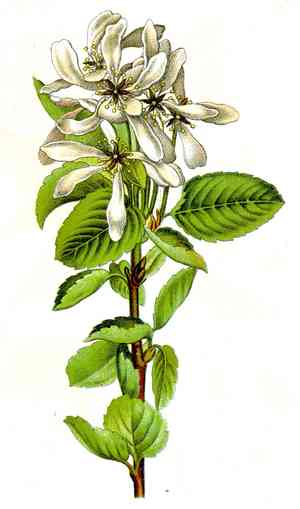
Small-leaved cotoneaster (Cotoneaster microphyllus)
Also known as: Small-leaved Cotoneaster, Cotoneaster thymifolius
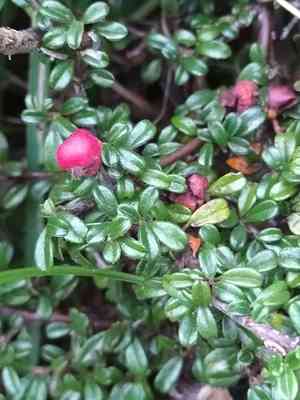
Small-leaved cotoneaster is an evergreen shrub with a low, spreading growth habit. It showcases small, glossy, dark green leaves and distinctive horizontal branches. In spring, it produces clusters of five-petaled white flowers, followed by bright red berries in the fall, which are edible only when cooked. Its attractive foliage and berries, along with its resilience and low maintenance, make it a superb choice for landscape use.
In This Article
Attributes of Small-leaved cotoneaster
Lifespan
Perennial
Plant Type
Shrub
Plant Height
61 cm to 91 cm
Spread
1.8 m to 2.5 m
Leaf Color
Green
Flower Size
2.5 cm
Flower Color
White
Images of Small-leaved cotoneaster
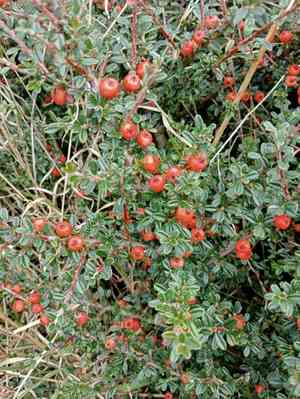
Quickly Identify Small-leaved cotoneaster
1
Low, sprawling growth up to 2-3 feet (60-90 cm) with a wide spread of 6-8 feet (180-240 cm)
2
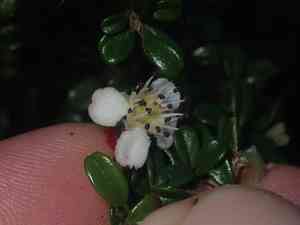
Small, fragrant white flowers with star-like patterns, each around 1/3 inch (8 mm) in diameter
3
Persistent, vibrant red fruits measuring about 1/4 inch (6 mm) in diameter through the winter
4
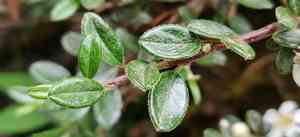
Dark green, woolly undersides, small leaves, approximately 1/2 inch (1.3 cm) long with curling margins
Scientific Classification of Small-leaved cotoneaster
Phylum
Vascular plants
Class
Dicotyledons
Order
Rosales
Family
Rose
Genus
Cotoneaster
Species
Small-leaved cotoneaster
Planting and Growing of Small-leaved cotoneaster
Care Difficulty
Easy
Watering Schedule
Every 2 days
Sunlight Requirements
Full sun
Sunshine Duration
4-8 hours
Ideal Temperature
60-75℉
Soil Type
Potting Mix, Peat Mix
Soil pH
6.5-7.5
Fertilizer Type
Balanced
Pruning Season
Spring, Summer
Pruning Area
Branches, Leaves
Pruning Frequency
2 times a year
Repotting Season
Spring
Pot Type
Plastic, Ceramic
 How to Water Small-leaved cotoneaster?
Cotoneaster microphyllus prefers moderate watering. Ensure the soil remains moist but is well-drained. Stick your finger about an inch into the soil; if it's dry, then it's time to water.
What are the symptoms of an underwatered Small-leaved cotoneaster?
›
What should I do if my Small-leaved cotoneaster is not getting enough water?
›
What are the symptoms of an overwatered Small-leaved cotoneaster?
›
How to save an overwatered Small-leaved cotoneaster?
›
 What Are the Sunlight Requirements for Small-leaved cotoneaster?
Cotoneaster microphyllus prefers full to partial sun exposure, allowing it to undergo optimal photosynthesis, boosting growth and flowering. Sufficient sunlight promotes lush foliage and sturdy stem development.
More About Sunlight Requirements Techniques→
Lighting Duration for Growth
›
Solution for Ideal Lighting
›
Benefits of Ideal Lighting
›
 What Is the Ideal Temperature Range for Small-leaved cotoneaster?
Cotoneaster microphyllus thrives best within an ideal temperature range of 60°F to 75°F. This comfortable range ensures optimal metabolic functioning and promotes healthy growth patterns. Maintaining these conditions reduces plant stress and supports optimal blooming and foliage display.
 What Soil is Best for Small-leaved cotoneaster?
Cotoneaster microphyllus thrives best in well-drained soils that prevent waterlogging. Well-drained soil allows for proper root aeration and minimizes the risk of root rot, promoting healthier plant growth. The plant prefers soil with moderate nutrient content. Adequate nutrients ensure the shrub has all the essential elements for optimal growth, resulting in vigorous foliage and bloom. Cotoneaster microphyllus grows well in slightly acidic to neutral soil pH levels. This pH range helps in the availability of essential nutrients, fostering robust growth and vibrant leaf color.
 How to Fertilize Small-leaved cotoneaster?
For Cotoneaster microphyllus, it is recommended to use a balanced 10-10-10 fertilizer. Liquid fertilizers should be applied at half the strength suggested on the packaging to avoid over-fertilization, which can harm the plant.
 How to Prune Small-leaved cotoneaster?
For Cotoneaster microphyllus, select sharp pruning shears to ensure clean cuts that heal quickly. This also prevents the spread of disease. Start by removing any dead, damaged, or diseased branches. This not only improves the plant's appearance but also boosts its overall health. Cut back branches to the desired shape, focusing on maintaining the natural, arching form of the plant. Avoid drastic changes in size to ensure steady growth. After pruning, properly dispose of the cut branches and leaves to prevent any potential spread of pests or diseases back to the plant.
 How to Propagate Small-leaved cotoneaster plant?
1
Start by gathering seeds from mature Cotoneaster microphyllus plants. Clean them thoroughly to remove any residue, and then stratify them in a moist medium for several weeks to break dormancy before sowing.
2
Choose healthy, undamaged stems approximately 6-8 inches long. Cut just below a node, ensuring there are a few leaves present, and remove the lower leaves before applying rooting hormone.
3
Select a low-growing branch and bend it to the ground. Bury a part of the stem in the soil, making a slight wound on one side to encourage rooting, and secure it in place with a garden pin.
 How to Repot Small-leaved cotoneaster plant?
1
Cotoneaster microphyllus needs repotting when roots appear through drainage holes or growth slows despite proper care. Typically, this indicates the plant has outgrown its pot. Spring or autumn are ideal, as moderate temperatures allow gradual acclimation to new soil conditions without stress. Signs such as compacted soil or poor drainage also suggest it's time for a fresh start.
2
Choose a pot with drainage holes, one size larger in diameter, providing room for growth and preventing waterlogging. A shallow yet wide container is ideal due to the shallow rooting nature of Cotoneaster microphyllus. The right pot ensures balanced moisture levels, supporting healthy root expansion and overall plant vitality.
3
Opt for well-draining loamy soil, mixed with sand or perlite to enhance aeration and prevent water retention. Such soil ensures roots receive adequate oxygen, reducing the risk of rot. The balance of nutrients in loamy soil supports healthy foliage and vibrant berry production, reflecting optimal plant health.
Toxicity
Ingestion
WARNING
The judgment on toxicity and danger is for reference only. We DO NOT GUARANTEE any accuracy of such judgment. Therefore, you SHALL NOT rely on such judgment. It is IMPORTANT TO SEEK PROFESSIONAL ADVICE in advance when necessary.



