How Much Sunlight Do Giant Coreopsis Need?
1
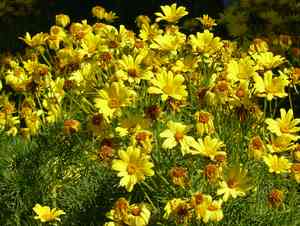
Giant Coreopsis flourishes in ample sunlight, requiring a minimum of 6 hours of direct sun each day.
2
Morning sun is milder and can aid in preventing leaf burn during warm summer periods.
3
Consistent light modifications are vital for preserving the plant's well-being across various seasons.
Understanding Giant Coreopsis Light Requirements
Why Light is Essential for Giant Coreopsis
Light serves as the primary energy source for Giant Coreopsis, enabling photosynthesis â the process where plants convert light into energy. Sufficient light ensures the plant maintains a robust growth cycle, leading to vibrant yellow flowers and strong foliage. Insufficient light can result in stunted development and fewer, less lively blooms. Recognizing the need for light is not just beneficial; it's vital for the plant's survival and prosperity.
Optimal Light Exposure for Giant Coreopsis
Giant Coreopsis thrives in full sun conditions, meaning it should receive a minimum of six hours of direct sunlight daily. While the plant is resilient and can tolerate high levels of sun exposure, ensuring a consistent schedule of light can help prevent issues like leggy growth or underdeveloped flowers. It's best to select a planting site that naturally gets extended sunlight throughout the day for peak growth.
Types of Light Suitable for Giant Coreopsis
Full Sun vs. Partial Sun
Giant Coreopsis flourishes in full sun, soaking in over six hours of direct sunlight. Partially sunny conditions, where the plant receives only 3-6 hours of light, are suboptimal and may lead to weaker growth and fewer blossoms. If only partial sun is available, aim to plant Giant Coreopsis where it will get the most light possible, ideally during the morning hours when the rays are less intense.
Morning Sun vs. Afternoon Sun
Morning light is typically cooler and less intense than afternoon sun, which can become scorching, especially in summer. For Giant Coreopsis, morning sun can be very advantageous, providing necessary illumination without the risk of overheating. However, afternoon sun ensures the plant gets the high energy it requires. Ideally, a balance of both can meet the plant's full range of light needs, optimizing its growth potential.
Effects of Insufficient Light on Giant Coreopsis
Signs of Light Deficiency in Giant Coreopsis
When Giant Coreopsis does not receive adequate light, it displays several clear indicators. These include elongated, spindly stems, pale or yellowing leaves, and fewer or smaller flowers. The plant may also become more vulnerable to diseases. Monitoring your plant for these symptoms is crucial for making timely adjustments to its location or care routine to ensure it returns to healthy growth.
How to Remedy Light Issues
To address light deficiencies in Giant Coreopsis, consider moving the plant to a brighter spot, ideally where it can receive full sun for at least six hours daily. If relocating the plant is impractical, trimming nearby trees or shrubs that cast shadows can increase light exposure. Additionally, using reflective surfaces or strategically placed mirrors can help direct more light to the plant. Observing the plantâs response to these changes will help ensure long-term health and growth.
Seasonal Light Considerations for Giant Coreopsis
Adjusting Light in Different Seasons
As seasons change, so does the intensity and duration of light. In spring and summer, Giant Coreopsis will thrive under intense, prolonged light. However, during fall and winter, daylight hours shorten, and you may need to adjust the plant's location or use supplemental lighting to maintain adequate light exposure. Being aware of these seasonal changes ensures that the plant continues to flourish year-round.
Protecting Giant Coreopsis from Extreme Light
During the peak summer months, the intense afternoon sun can be harsh on Giant Coreopsis. To prevent sunburn and overheating, consider providing shade during the hottest part of the day, either through natural shade from other plants, a shade cloth, or moving potted plants to a less exposed spot. This balance helps protect the plant from potential stress and keeps it healthy in extreme weather conditions.



