How to Prune Giant Coreopsis?
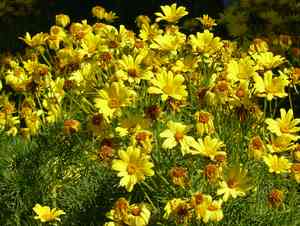
Originating from the coastal cliffs of California, giant Coreopsis is a resilient shrub that withstands dry conditions, recognized for its daisy-like blossoms and fleshy stalks. Remove deceased or compromised stems at any point throughout the year to preserve the plant's well-being and visual appeal. Removing faded blooms stimulates further flowering and revitalizes development. Limited trimming is necessary; nevertheless, a late winter cutback can foster a thick, condensed shape. The advantages of pruning encompass enhanced air movement, diminished susceptibility to illness, and stimulated fresh development.
What Are the Benefits of Pruning Giant Coreopsis?
What Are the Benefits of Pruning Giant Coreopsis?
Trimming giant Coreopsis promotes more abundant flowering and robust development. Regular shaping helps maintain its desired form, ensuring giant Coreopsis remains aesthetically pleasing and healthy.
What Is the Best Time for Pruning Giant Coreopsis?
What Is the Best Time for Pruning Giant Coreopsis?
Pruning or trimming giant Coreopsis in late winter to early spring, just before new growth emerges, allows the plant to recover from cuts without significant stress or energy depletion. This timing stimulates healthy development and prolific blooming in the upcoming season. Avoiding pruning in late autumn or during active growth periods can prevent harm to new shoots and flower buds, leading to a more vigorous and attractive plant.
What Tools Do I Need to Prune Giant Coreopsis?
Hand Pruners
Perfect for making precise cuts on the thinner stems of giant Coreopsis, minimizing plant damage.
Loppers
Best for reaching deeper into the foliage of giant Coreopsis to cut thicker branches due to their extended handles and increased leverage.
Pruning Saw
Crucial for cutting through any woody, mature stems of giant Coreopsis that are too thick for hand pruners and loppers.
Garden Shears
Suitable for quickly trimming and shaping the more fibrous, sprawling foliage of giant Coreopsis.
Gloves
Important for protecting hands from sap and potential thorns while pruning giant Coreopsis.
Cleaning Solution
Used for sanitizing tools before and after pruning giant Coreopsis to prevent disease spread.
How to Prune Giant Coreopsis
Clean Tools
Begin by sterilizing pruning tools to prevent disease transmission. Use rubbing alcohol or a bleach solution to wipe down blades before starting pruning on giant Coreopsis.
Remove Diseased Parts
Carefully remove any diseased leaves and branches from giant Coreopsis using clean, sharp shears. Make cuts at a slight angle, well above any signs of disease, to prevent further infection.
Trim Dead Material
Cut away dead branches and withered leaves from giant Coreopsis. Trim back to the base or to a healthy part of the plant, ensuring a clean cut to promote healthy regrowth.
Prune Wilted Flowers
Cut off withered flowers from giant Coreopsis to encourage new blooms and maintain a tidy appearance. Snip the stem below the spent flower, above the first set of healthy leaves.
Disposal
Dispose of all removed material properly to prevent disease and pests. Do not compost diseased or dead plant parts, as this may contaminate your compost and spread to other plants.
Common Pruning Mistakes with Giant Coreopsis
Overpruning
Removing too much foliage from giant Coreopsis, which can stress the plant and lead to poor growth or a reduced number of blooms.
Pruning At Wrong Time
Cutting back giant Coreopsis at the wrong time in its growth cycle can hinder its ability to flourish.
Improper Tools
Using dull or dirty pruning shears that can damage the stems of giant Coreopsis or introduce disease.
Cutting Too Close
Snipping the stems of giant Coreopsis too close to the main trunk or too close to the buds can damage the plant.
Ignoring Deadheads
Failing to remove spent flowers, which can prevent giant Coreopsis from redirecting energy to new growth and blooms.
Not Shaping
Neglecting to shape giant Coreopsis, resulting in an unsightly or unbalanced appearance.
Inadequate Cleanup
Leaving cuttings and debris on or around giant Coreopsis, which can attract pests and disease.
Common Pruning Tips for Giant Coreopsis
Sharp Tools
Always use clean, sharp tools to make precise cuts on giant Coreopsis, which help prevent disease and damage to the plant.
Prune For Health
Focus on removing dead, diseased, or damaged stems to maintain the health and vigor of giant Coreopsis.
Encourage Shape
Shape giant Coreopsis by selectively pruning to promote a balanced structure and improve air circulation within the plant.
Deadheading
Regularly remove spent blooms from giant Coreopsis to encourage new flower production and maintain a tidy appearance.
Thinning
Thin out crowded areas by pruning select stems to allow light and air to reach the inner portions of giant Coreopsis.
Moderation
Prune conservatively, ensuring not to remove more than one-third of the plant at a time to avoid excessive stress on giant Coreopsis.
Dispose Of Debris
Clean up and dispose of pruning debris from around giant Coreopsis to minimize the risk of pest and disease infestation.



