Enhancing Your Garden Design with the Giant Coreopsis Plant: A Landscaping Guide
1
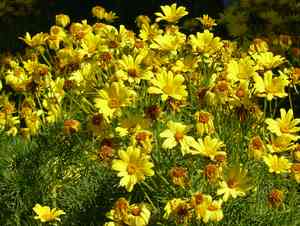
Giant Coreopsis offers a stunning visual impact to any garden, due to its distinctive charm.
2
Selecting an appropriate location for Giant Coreopsis requires careful thought regarding light exposure and ground quality.
3
Consistent upkeep guarantees that Giant Coreopsis flourishes and keeps enhancing your outdoor space for an extended period.
Introducing Giant Coreopsis to Your Landscape
Understanding the visual appeal of Giant Coreopsis
A primary reason to integrate Giant Coreopsis into your garden scheme is its outstanding visual charm. This plant distinguishes itself with vivid hues and a distinctive flower structure, making it a natural focal point in any garden. Its bright, daisy-like blossoms not only captivate human observers but also draw in beneficial pollinators like bees and butterflies, enhancing your garden's biodiversity. By utilizing Giant Coreopsis as a central visual element, you can craft a more engaging and aesthetically pleasing outdoor area.
The role of Giant Coreopsis in ecological landscaping
Beyond its aesthetic allure, Giant Coreopsis plays a vital role in ecological landscaping. This gardening approach focuses on establishing a sustainable and eco-friendly garden that supports local ecosystems. Giant Coreopsis is particularly well-suited for this, being a resilient, drought-resistant plant that demands minimal upkeep. It aids in reducing water consumption and can flourish in poor soil conditions, making it an ideal choice for environmentally conscious gardeners. Furthermore, by opting to plant Giant Coreopsis, you foster local flora and fauna, contributing to a healthier and more balanced environment.
Choosing the Ideal Location for Giant Coreopsis
Assessing sunlight and soil requirements
When selecting the perfect spot for Giant Coreopsis in your garden, it's crucial to consider its sunlight and soil needs. This plant thrives in full sun, requiring at least 6-8 hours of direct sunlight daily. Therefore, seek out areas in your yard that receive ample sun throughout the day. Regarding soil, Giant Coreopsis prefers well-draining, sandy soil but is quite adaptable and can tolerate various soil types. Prioritize locations that won't retain water, as standing water can lead to root rot and other issues. Ensuring these conditions will help Giant Coreopsis flourish and thrive in your garden.
Considering the growth patterns of Giant Coreopsis
Giant Coreopsis exhibits a distinct growth habit that you should factor in when planning its placement. This plant can grow quite tall, reaching heights of several feet, and it also spreads out, meaning it requires sufficient space to grow without being crowded by other plants. When choosing a location, ensure there is ample room for Giant Coreopsis to expand both vertically and horizontally. This not only helps the plant achieve its full potential but also ensures it doesn't overshadow or compete with neighboring plants, thereby maintaining a harmonious garden environment.
Incorporating Giant Coreopsis Into Your Garden Design
Creating focal points with Giant Coreopsis
Integrating Giant Coreopsis into your garden design can be an excellent way to establish striking focal points. Due to its bold and distinctive appearance, Giant Coreopsis naturally attracts attention and can be used to highlight specific areas of your garden. Try planting it in prominent locations such as the center of a flower bed, along pathways, or as a standalone specimen in your front yard. By strategically placing Giant Coreopsis, you create visual interest and guide the viewer's eye through your garden, making the overall design more compelling and dynamic.
Balancing aesthetics with other plants
While Giant Coreopsis is an eye-catching plant on its own, combining it with complementary flora can enhance your garden's overall aesthetic appeal. Consider pairing Giant Coreopsis with plants that have contrasting textures, colors, and heights to create a more layered and visually diverse garden. For instance, combining Giant Coreopsis with low-growing ground covers or plants with finer foliage can create a balanced and harmonious look. Additionally, choose plants that have similar growing requirements to ensure compatibility and healthy growth for all components of your garden design.
Maintaining Giant Coreopsis in Your Landscaping
Seasonal care tips for robust growth
Proper care is crucial to maintain the health and appearance of Giant Coreopsis throughout the year. In spring, consider applying a slow-release fertilizer to promote new growth and vibrant blooms. During the hottest months, even though Giant Coreopsis is drought-tolerant, occasional deep watering can help support the plant during prolonged dry periods. In the fall, pruning is important to remove any dead or diseased parts, which helps to maintain the plant's shape and encourages vigorous growth in the next season. These seasonal care practices will ensure that Giant Coreopsis remains a robust and attractive part of your landscape year after year.
Simple upkeep practices for longevity
To ensure the longevity of Giant Coreopsis in your garden, some simple upkeep practices are essential. Mulching around the base of the plant can help retain soil moisture and suppress weed growth. Regularly check for pests and diseases, treating them promptly to prevent any long-term damage. Additionally, deadheading spent flowers not only keeps the plant looking tidy but also encourages continuous blooming. By adhering to these straightforward upkeep practices, you can enjoy the beauty and benefits of Giant Coreopsis in your landscaping for many years.



