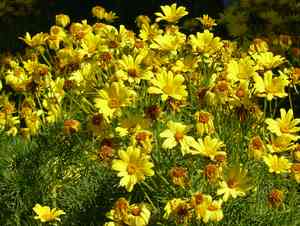
Giant Coreopsis (Coreopsis gigantea)
Also known as: Giant Coreopsis
The plant you're referring to is Giant Coreopsis (Coreopsis gigantea). This woody, succulent perennial is native to coastal areas of western North America and is often grown by nurseries. It thrives in drought conditions but is vulnerable to frost. As a member of the sunflower family, it produces bright yellow flowers during the spring and summer and can reach heights of up to 1.2 meters.
In This Article
Attributes of Giant Coreopsis
Lifespan
Perennial
Plant Type
Herb
Plant Height
91 cm to 1.8 m
Spread
60 cm
Leaf Color
Green
Flower Size
5 cm to 8 cm
Flower Color
Yellow Blue
Images of Giant Coreopsis
Quickly Identify Giant Coreopsis
1
Thick, woody trunk reaching 3-6 feet (91-183 cm) provides strong structural support.
2
Stout gray-brown stem, 2-4 inches (5-10 cm) thick, stands out prominently.
3
Bright green, deeply lobed pinnatifid leaves emerge in winter, distinctive foliage.
4
Large showy yellow daisy-like flowers, 3 inches (7.6 cm) across, bloom late winter to late spring.
5
Sculptural stems post-foliage adds unique visual interest in the landscape.
Scientific Classification of Giant Coreopsis
Phylum
Vascular plants
Class
Dicotyledons
Order
Asterales
Family
Daisy
Genus
Calliopsis
Species
Giant Coreopsis
Planting and Growing of Giant Coreopsis
Care Difficulty
Easy
Watering Schedule
Every 3 days
Sunlight Requirements
Full sun
Sunshine Duration
6-10 hours
Ideal Temperature
60-75℉
Soil Type
Potting Mix, Peat Mix
Soil pH
6.5-7.5
Fertilizer Type
Balanced
Pruning Season
Spring, Summer
Pruning Area
Branches, Leaves
Pruning Frequency
2 times a year
Repotting Season
Spring
Pot Type
Plastic, Ceramic
 How to Water Giant Coreopsis?
For Coreopsis gigantea, aim for about 250 milliliters of water per session. This type of plant thrives when the soil is allowed to partially dry out between waterings. Make sure the top inch of the soil is dry before the next watering. This prevents the roots from sitting in water, which can lead to rot.
What are the symptoms of an underwatered Giant Coreopsis?
›
What should I do if my Giant Coreopsis is not getting enough water?
›
What are the symptoms of an overwatered Giant Coreopsis?
›
How to save an overwatered Giant Coreopsis?
›
 What Are the Sunlight Requirements for Giant Coreopsis?
Coreopsis gigantea requires full-day sunlight exposure, benefiting from 6 to 8 hours of direct sunlight. This light range ensures strong growth, abundant blooms, and bright flower colors.
More About Sunlight Requirements Techniques→
How much sun does Coreopsis gigantea need?
›
What solutions help achieve this lighting?
›
What are the benefits of ideal lighting conditions?
›
 What Is the Ideal Temperature Range for Giant Coreopsis?
The ideal temperature range for Coreopsis gigantea is between 60°F and 75°F. This range supports the plant's natural growth cycle, promoting healthy blooming and minimizing stress. Temperatures in this range typically mimic the plant's native coastal habitat, where it thrives along Californian shores. Maintaining these conditions helps optimize photosynthesis and metabolic processes, ensuring vibrant displays during the flowering season.
 What Soil is Best for Giant Coreopsis?
Coreopsis gigantea thrives in well-draining soil to prevent root rot. Ensuring that the soil does not retain excessive moisture enhances plant health by protecting delicate root systems. Though not highly demanding, Coreopsis gigantea benefits from nutrient-rich soils, which contribute to robust growth and an abundance of vibrant flowers. Fertility helps sustain foliage and flowering cycles. The preference for sandy soil helps Coreopsis gigantea roots penetrate easily, promoting strong and vigorous growth. This texture allows roots to explore and access available nutrients efficiently.
 How to Fertilize Giant Coreopsis?
For Coreopsis gigantea, an appropriate amount of fertilizer ensures sustained growth and vibrant blooms. When using liquid fertilizers, it's advisable to dilute the product according to the manufacturer's instructions, usually at a concentration of 1 tablespoon per gallon of water. Slow-release fertilizers can be applied more sparingly, typically around 1 tablespoon spread evenly over the root zone. This prevents nutrient burn while supporting healthy development.
 How to Prune Giant Coreopsis?
Start by identifying any dead or diseased branches—which can be found by their brownish, dry appearance—and remove them first. This helps the plant direct energy towards healthier parts. Trim back the longer, leggy branches to create a balanced shape, maintaining the plant's natural, bushy appearance. Aim for an even, well-rounded canopy for the best aesthetic results. Make cuts at a 45-degree angle about 1/4 inch above a leaf node or bud. This encourages healthier growth and helps protect the cut area from water retention and disease.
More About Pruning Techniques→
 How to Propagate Giant Coreopsis plant?
1
Select a healthy stem with several nodes and use sharp pruners to cut a 4-6 inch segment. Remove the leaves from the bottom half to prevent decay in the soil.
2
Fill seed trays with a well-draining potting mix and gently press the seeds into the surface. Cover them lightly with soil and water thoroughly. Maintain consistent moisture until germination.
3
Dip the cut end of the cutting in rooting hormone and plant it in a pot filled with a mix of perlite and peat moss. Water it well and cover with a plastic bag to retain humidity.
 How to Repot Giant Coreopsis plant?
1
Coreopsis gigantea signals it's time for repotting when you observe roots emerging from drainage holes or a noticeable decrease in growth rate. These signs, often paired with a lack of flowering, indicate that the roots need more space to expand. Spring and autumn are ideal seasons as the plant is less stress-prone.
2
Select a pot that is slightly larger than the current one, ideally 1-2 inches in diameter bigger. Opt for pots with good drainage holes to prevent water from stagnating. A well-chosen pot helps balance moisture, encourages healthy root growth, and supports the plant's top-heavy structure.
3
Choose a well-draining sandy soil mix, rich in nutrients but loose enough to allow water to flow freely. This type of soil prevents the roots from sitting in water, reducing the risk of rot and mimicking the plant's natural coastal habitat, ensuring healthy growth and vibrant blooms.
Learn More About Giant Coreopsis Diseases
Anthracnose
Bacterial Leaf Spot
Bacterial Wilt
Crown Gall
Cyst Nematode
Damping-off
Downy Mildew
Drought Stress
Fusarium Wilt
Gray Mold
Leaf Spot
Mosaic
Nutrient Deficiency
Nutrient Toxicity
Powdery Mildew
Root Rot
Root-knot Nematode
Rusts
Sooty Mold
Spider Mites
Temperature Stress
Thrips Damage
White Mold



