How Much Sunlight Do Beaked sedge Need?
1
Beaked sedge flourishes optimally with 3-6 hours of indirect sun daily.
2
Insufficient light may result in slow development and dull hues for Beaked sedge.
3
Proper placement and artificial illumination can assist in regulating light exposure throughout the year.
Understanding Light Needs for Beaked sedge
The Role of Light for Beaked sedge
Light is essential for the development and health of Beaked sedge. This resilient perennial, grass-like plant thrives in wetlands and marshy areas, where it benefits from the balanced illumination of partially shaded environments. Providing your Beaked sedge with appropriate light is vital for its vitality and growth.
Photosynthesis and Development
Like all green plants, Beaked sedge uses photosynthesis to convert light into chemical energy, fueling its growth. Sufficient light enables the plant to generate enough energy for development, reproduction, and disease resistance. Without adequate light, the plant may show stunted growth and reduced vigor.
Ideal Light Conditions for Beaked sedge
Preferred Light Levels
Beaked sedge thrives in partial sun, receiving approximately 3-6 hours of sunlight daily. This balance ensures the plant gets enough energy for photosynthesis without being damaged by intense, direct sun. If growing Beaked sedge indoors, try to mimic these conditions by placing it near a window with ample but filtered light.
Indicators of Sufficient Light
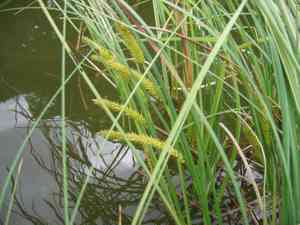
When Beaked sedge receives proper light, it will display healthy green stems and leaves, robust growth, and an overall vibrant appearance. New growth will be frequent, and the plant will maintain a consistent, firm structure, indicating it is flourishing in its current light conditions.
Indicators of Insufficient Light
A lack of adequate light can cause several noticeable signs in Beaked sedge. The plant might show yellowing or pale foliage, elongated growth (where stems become long and weak as they seek light), and a general lack of vitality. If these signs appear, your plant likely needs more light exposure.
Managing Light Exposure for Beaked sedge
Plant Placement
Correct placement of Beaked sedge is crucial for managing its light exposure. If planting outdoors, select a spot that gets morning sun and afternoon shade. Indoors, position your Beaked sedge near a window where it receives bright, indirect light. Adjust its location periodically to ensure consistent light throughout the day.
Utilizing Supplemental Lighting
In settings where natural light is insufficient, especially during colder months, using artificial lighting can be a practical solution. Full-spectrum LED grow lights are excellent for providing the necessary light for Beaked sedge's photosynthesis. Position lights about 20-30 cm (8-12 inches) above the plant and ensure they are on for about 10-12 hours daily to simulate the natural light cycle.
Seasonal Adjustments
As seasons change, the amount and strength of sunlight can vary significantly. During summer, you might need to provide extra shade to protect your Beaked sedge from excessive direct sun. Conversely, in winter, you might need to move the plant to a brighter spot or extend the duration of artificial lighting. Regularly check the plant's condition and adjust as needed to maintain optimal light levels year-round.



