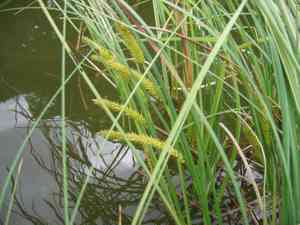
Beaked sedge (Carex rostrata)
Also known as: Swollen beaked sedge
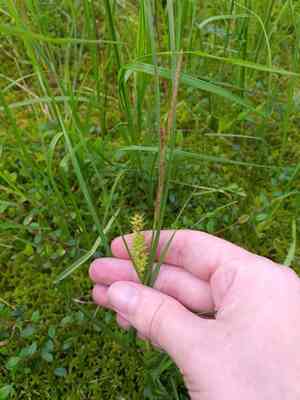
The beak-sedge is a perennial herbaceous plant that remains green throughout the winter. It typically grows to heights of 25-80 cm, occasionally reaching up to 100 cm. This plant often forms dense clumps. Its stems are mostly round at the base but become dull triangular towards the top. The leaves are narrow, gray-green, and simply folded, measuring around 3-4 mm in width, and they end in a triangular tip.
In This Article
Attributes of Beaked sedge
Lifespan
Perennial
Plant Type
Grass
Plant Height
15 cm to 91 cm
Spread
Not significant (non-woody plant)
Leaf Color
Green to blue-green
Flower Size
Approximately 1-2 cm
Flower Color
White Yellow Brown
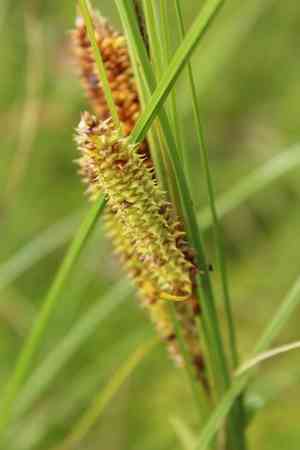
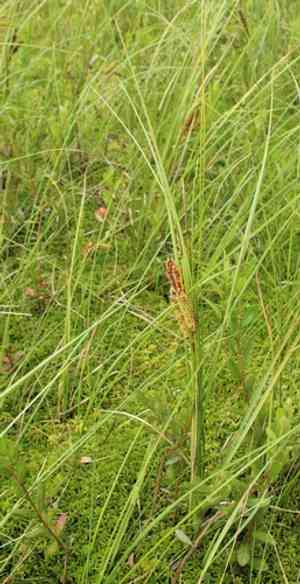
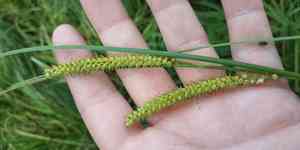
Images of Beaked sedge
Quickly Identify Beaked sedge
1
Carex rostrata can be identified by its triangular stems, beak-shaped seed capsules, and its preference for wet, boggy habitats. Its leaves are grass-like and can vary in color from green to blue-green.
Scientific Classification of Beaked sedge
Phylum
Vascular plants
Class
Monocotyledons
Order
Poales
Family
Sedge
Genus
True sedges
Species
Beaked sedge
Planting and Growing of Beaked sedge
Care Difficulty
Easy
Watering Schedule
Every 16 days
Sunlight Requirements
Partial sun
Sunshine Duration
6-10 hours
Ideal Temperature
60-75℉
Soil Type
Potting Mix, Peat Mix
Soil pH
4.5-6.5
Fertilizer Type
Balanced
Pruning Season
Spring, Summer
Pruning Area
Branches, Leaves
Pruning Frequency
2 times a year
Repotting Season
Spring
Pot Type
Plastic, Ceramic
 How to Water Beaked sedge?
When watering Carex rostrata, aim to keep the soil consistently moist but not waterlogged. Watering with approximately 250 ml ensures the soil is sufficiently hydrated without drowning the roots. This plant thrives in wet conditions, similar to its natural marshy habitats.
What are the symptoms of an underwatered Beaked sedge?
›
What should I do if my Beaked sedge is not getting enough water?
›
What are the symptoms of an overwatered Beaked sedge?
›
How to save an overwatered Beaked sedge?
›
 What Are the Sunlight Requirements for Beaked sedge?
Carex rostrata thrives in partial sun conditions, with benefits including enhanced growth and stronger foliage. This light range is key to mimicking its indigenous moist, partially shady habitats.
More About Sunlight Requirements Techniques→
What is the optimal location for Carex rostrata?
›
How can I achieve ideal lighting conditions?
›
What benefits from correct lighting can Carex rostrata receive?
›
 What Is the Ideal Temperature Range for Beaked sedge?
The ideal temperature range for growing Carex rostrata is between 60°F and 75°F. This range allows the plant to thrive without the stress caused by extreme temperatures. Maintaining these conditions encourages optimal growth and overall plant health.
 What Soil is Best for Beaked sedge?
Carex rostrata thrives in soils that possess excellent moisture retention capabilities, such as peat or loam. This is crucial because the plant naturally grows in wetland areas and thrives in consistently moist conditions. Ensuring a good level of moisture retention helps the plant maintain its vigorous growth and characteristic lush appearance. A soil rich in organic matter supports the robust growth of Carex rostrata. The organic material provides essential nutrients and supports beneficial soil microorganisms. This nutrient-rich environment enhances plant health, providing a lush and vibrant appearance while improving resilience against pests and diseases. While Carex rostrata requires moist soils, good drainage is equally crucial to prevent waterlogging. By ensuring water drains effectively, root rot and other fungal diseases can be avoided, thus maintaining plant health. Peat and sandy loam soils offer these beneficial drainage characteristics essential for optimum growth.
 How to Fertilize Beaked sedge?
For Carex rostrata, it is essential to avoid over-fertilization. Apply a balanced liquid fertilizer diluted to half-strength approximately once a month during the growing season. Use 10-10-10 or 12-4-8 NPK ratios sparingly. Overuse can damage roots and soil composition. Incorporating compost or organic matter once yearly can help supplement nutrients without overwhelming the plant.
 How to Prune Beaked sedge?
Before starting your pruning session for Carex rostrata, gather essential tools like sharp pruning shears or scissors. Make sure the tools are sterilized to avoid transferring any disease to the plant. This preparation ensures a clean cut and reduces the chance of infection. To effectively prune Carex rostrata, first remove any yellowed or dead leaves at the base, cutting as close to the soil as possible. Then, trim back any overly long or untidy foliage to maintain the plant's neat, natural shape. Ensure you leave enough healthy foliage for photosynthesis.
More About Pruning Techniques→
 How to Propagate Beaked sedge plant?
1
Harvest seeds from mature Carex rostrata plants once the seed heads have turned brown. Ensure the seeds are dry before storing or planting them. This step requires patience as seeds need to be harvested at the right time for successful propagation.
2
For division, carefully dig up mature Carex rostrata clumps. Use a sharp knife or garden forks to separate the roots into smaller sections. Ensure that each section has an adequate amount of roots and shoots to thrive when replanted.
3
Plant seeds in trays with a light potting mix or replant divided clumps into prepared soil. Ensuring proper spacing and sufficient sunlight is vital. Water gently but thoroughly to help them settle, keeping the ground consistently moist for healthy growth.
 How to Repot Beaked sedge plant?
1
Repotting Carex rostrata is best done when you notice it becoming root-bound, with roots visibly spiraling around the base or emerging from drain holes. Additionally, if the plant's growth shows signs of stunting despite regular feeding, it's time for a new pot.
2
Opt for a pot that is one size larger than the current one. Ensure it has adequate drainage holes. This prevents waterlogging and allows roots to establish healthily. A clay or terracotta pot can be ideal to help regulate moisture levels.
3
Select a loam-based, well-draining soil mix. This helps in retaining adequate moisture without becoming waterlogged, which is crucial for the optimal health of your Carex rostrata. Such soil ensures nutrient retention while allowing needed air space for roots.



