How to Prune Beaked sedge?
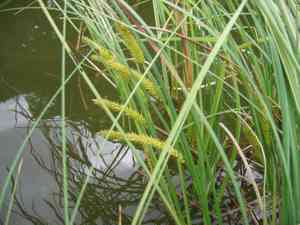
This enduring, water-loving grass displays gracefully curved leaves and thrives in marshy environments. Essential trimming for beaked sedge involves eliminating deceased or discolored leaves and clearing away spent flower stalks to preserve a tidy look and stimulate fresh development. The most effective time for trimming is in early spring or during winter while the plant is inactive. Pruning guarantees more robust, thicker foliage and can deter the proliferation of ailments. Exercise restraint when pruning, as beaked sedge possesses an inherently appealing form and flourishes with little intervention.
What Are the Benefits of Pruning Beaked Sedge?
What Are the Benefits of Pruning Beaked Sedge?
Trimming beaked sedge promotes robust development by eliminating dead or crowded leaves, enhancing light penetration and air circulation. It aids in preserving the plant's structure, fostering a more compact and visually appealing shape.
What Is the Best Time for Pruning Beaked Sedge?
What Is the Best Time for Pruning Beaked Sedge?
Trimming beaked sedge in early spring coincides with the period just before new growth begins, allowing the plant to recover swiftly and channel energy into fresh development. Late winter pruning is ideal as the plant is dormant and less vulnerable to stress, minimizing potential harm. These seasons ensure the vigor of beaked sedge and prepare it for the growing season, preventing the removal of new shoots or flowers, which can happen if pruning occurs too late.
What Tools Do I Need to Prune Beaked Sedge?
Sharp Scissors or Snips
Given the fine texture of beaked sedge's foliage, sharp scissors or snips are the appropriate instruments for precise cuts, enabling gardeners to remove individual brown or damaged blades without disturbing the rest of the clump.
Hand Pruners
For denser clumps or for cutting multiple foliage blades simultaneously, hand pruners offer a clean cut and can easily manage the tougher bases of beaked sedge's leaves. They are useful during the plant's dormant season to trim back old growth.
Gardening Gloves
Wearing gloves is advisable to safeguard hands from the potentially rough edges of beaked sedge's leaves. A gardener should always protect their hands from cuts and irritation while pruning.
Garden Waste Bag or Bin
A collection container is necessary to gather and dispose of the foliage after it has been pruned from beaked sedge, ensuring a tidy workspace and simplifying clean-up.
How to Prune Beaked Sedge
Clean tools
Sanitize pruning implements to prevent the spread of illness to beaked sedge.
Remove diseased leaves
Carefully snip off affected leaves at their base using sharp scissors, ensuring not to harm healthy sections of beaked sedge.
Trim withered leaves
Cut back any dried or dead foliage to the base to stimulate new growth and improve air circulation around beaked sedge.
Dispose
Remove the trimmings from the area to prevent potential disease recurrence on beaked sedge.
Inspect
Perform a final check of beaked sedge for any missed diseased or withered leaves and repeat steps as needed.
Common Pruning Mistakes with Beaked Sedge
Over-pruning
Removing an excessive amount of foliage from beaked sedge can weaken the plant, diminishing its vitality and capacity to flourish.
Incorrect tool choice
Utilizing dull or unsuitable tools can harm beaked sedge's stems, leading to unhealthy plant development and potential entry points for disease.
Pruning healthy growth
Cutting away healthy, vibrant foliage can restrict beaked sedge's growth potential and aesthetic appeal, as this plant's form is integral to its natural beauty.
Ignoring dead or diseased material
Failing to remove dead or diseased foliage can impede the health and appearance of beaked sedge, as well as heighten the risk of spreading plant diseases.
Pruning uniformly
Treating all stems of beaked sedge the same during pruning can result in an unnatural look and limit the plant's natural flowing form.
Common Pruning Tips for Beaked Sedge
Sharp tools
Always use sharp, clean pruning shears or knives to ensure clean cuts that heal quickly, preventing damage to beaked sedge's stems.
Selective thinning
Thin out beaked sedge by selectively removing older, browned foliage at the base to encourage new growth, maintaining the plant's natural shape.
Spot pruning
Regularly check beaked sedge and snip off any brown tips or damaged leaves to maintain a neat appearance without reshaping the entire plant.
Height control
If beaked sedge is growing too tall, prune back the tallest stems by cutting just above a node or basal growth to promote bushier growth without sacrificing the plant's form.
Post-flowering cleanup
After beaked sedge blooms, remove spent flower spikes to redirect energy to foliage growth and to keep the plant looking tidy.



