How Much Sunlight Do Japanese horse-chestnut Need?
1
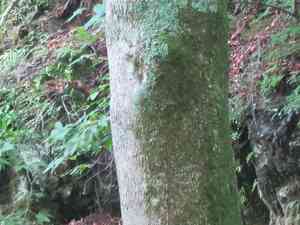
Japanese horse-chestnuts may reach heights of 30 meters (100 feet) under ideal circumstances!
2
Japanese horse-chestnuts display beautiful white flower groupings during spring and early summer.
3
Japanese horse-chestnuts display beautiful white flower groupings during spring and early summer.
Grasping Illumination Needs for Japanese horse-chestnut
Direct Light vs. Partial Obscurity
The Japanese horse-chestnut flourishes best in direct sunlight, meaning it needs at least six hours of unblocked solar exposure daily. Nevertheless, it can endure partial shade, particularly in areas with warmer climates. Full sun promotes vigorous development and spectacular blooming, while partial shade might lead to fewer blossoms and slower growth. When planting in partial shade, ensure the tree gets morning sun, as this is less intense and allows for efficient photosynthesis.
Optimal Light Duration
For peak development, the Japanese horse-chestnut should receive approximately 6 to 8 hours of direct sunlight daily. This ensures the tree can generate sufficient energy for growth and flowering. While it can survive with less light, providing the recommended duration will foster a healthier and more vibrant specimen. If you reside in an area with intense sunlight, consider offering it light afternoon shade to prevent leaf scorching.
Prime Locations for Cultivating Japanese horse-chestnut
Selecting a Garden Site
When choosing a spot in your garden, seek an open area where the tree can receive full sun for most of the day. Avoid planting it too near other large trees or structures that could cast shadows and reduce light availability. The location should also feature well-draining soil to prevent waterlogging, which can harm the roots.
Indoor vs. Outdoor Placement
The Japanese horse-chestnut is generally unsuitable for indoor cultivation due to its substantial size and light requirements. However, young saplings can be started indoors in a sunny spot and later transplanted outside. Always ensure the transition to outdoor planting is gradual to prevent shock.
Climatic Considerations
This tree prefers temperate climates with distinct seasons. It can withstand cold winters but may struggle in extremely hot or arid conditions. If you live in a region with harsh summers, consider planting your Japanese horse-chestnut in a location where it can receive morning sun and afternoon shade to prevent overheating.
Indicators of Improper Sunlight Exposure for Japanese horse-chestnut
Symptoms of Excessive Sun
Too much sunlight can cause leaf burn, characterized by browning edges and tips on the foliage. You might also observe premature leaf drop during extreme heat. If these symptoms appear, consider providing some afternoon shade or using a shade cloth during the hottest part of the day.
Symptoms of Insufficient Sun
Inadequate sunlight results in poor growth, fewer blooms, and pale leaves. The tree may also become excessively leggy as it stretches towards the light source. Ensuring the tree receives ample sunlight will help maintain its vigor and appearance.
Strategies to Enhance Sunlight for Japanese horse-chestnut
Seasonal Light Adjustments
In areas with seasonal variations, be mindful of how sunlight patterns shift throughout the year. During winter, when the sun is lower, trimming back any obstructions can help maximize light exposure. In summer, providing extra shade during peak heat can shield the tree from sunburn.
Utilizing Shade Fabric
Shade cloths are an effective method to regulate the amount of sunlight your Japanese horse-chestnut receives. They can be particularly useful during the warmest months to protect the tree from intense afternoon sun. Select a fabric with the appropriate density to filter just the right amount of light.
Pruning for Improved Light Penetration
Regular pruning enhances air circulation and allows sunlight to reach the inner branches, fostering healthier growth. Remove any dead or overly crowded branches to ensure light penetrates evenly throughout the tree. This can also improve the overall form and structure of your Japanese horse-chestnut.



