How to Propagate Japanese horse-chestnut?
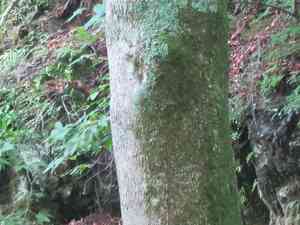
A member of the Sapindaceae family, japanese horse-chestnut is a robust deciduous tree valued for its aesthetic attributes. It flourishes in adequately drained earth and benefits from exposure to full sunlight or partial shade. For propagating japanese horse-chestnut, useful advice involves selecting robust, pathogen-free cuttings and treating them with a rooting compound to facilitate root formation. Cuttings ought to be situated in an appropriate cultivation substrate that sustains the requisite hydration and air circulation. Perseverance is crucial, as root growth might span several weeks, subsequent to which young specimens need careful acclimation prior to relocation to their permanent site. Consistent observation and delicate attention will contribute to successful propagation.
Optimal Propagation Period for Japanese Horse-chestnut
Propagation Type
Cutting
Propagation Season
Autumn,Winter
Tools Required for Japanese Horse-chestnut Propagation
Sharp pruning shears
These are essential for obtaining clean, precise cuttings from japanese horse-chestnut. A keen blade ensures a smooth cut, minimizing harm to the parent plant and boosting the likelihood of successful rooting.
Rooting hormone powder
This product stimulates root development in japanese horse-chestnut cuttings. Dipping the cut end into the powder encourages faster, more robust root growth, vital for the new plant's successful establishment.
Sterile potting mix
A light, well-draining, and sterile potting medium offers the perfect environment for cuttings to develop roots. It lowers the risk of soil-borne diseases, which is crucial for the delicate, newly forming roots of japanese horse-chestnut.
Propagation tray
Trays are necessary for organizing and managing multiple cuttings efficiently. This tool helps maintain consistent moisture levels and temperature, which are critical for the rooting process of japanese horse-chestnut cuttings.
Plastic covers or domes
These covers help maintain high humidity around japanese horse-chestnut cuttings, which is vital for preventing them from drying out before they can establish roots. Increased humidity also supports better transpiration and photosynthesis under limited conditions.
Heat mats
Placed beneath propagation trays, heat mats assist in maintaining a consistent and suitable root-zone temperature, which can significantly enhance root development rates and overall success when propagating japanese horse-chestnut by cuttings.
How to Propagate Japanese Horse-chestnut?
Propagation Type
Moderately Difficult
How to Care for Your Newly Propagated Japanese Horse-chestnut?
How to Care for Your Newly Propagated Japanese Horse-chestnut?
Once roots have formed and new growth is visible, gradually acclimatize japanese horse-chestnut to less humid conditions by removing the plastic covering over a week. Water consistently to keep the soil moist but not waterlogged. Protect young japanese horse-chestnut from direct sunlight until fully established. Fertilize with a balanced, slow-release fertilizer every 4-6 weeks during the growing season. Monitor for pests and diseases, and implement preventive measures as necessary to ensure healthy growth and development.
Common Mistakes to Avoid When Propagating Japanese Horse-chestnut
Overwatering
Excessive watering can lead to root rot in japanese horse-chestnut, often due to an eagerness to provide ample moisture. Too much water displaces air in the soil, suffocating roots and encouraging fungal infections.
Planting too deep
When japanese horse-chestnut seeds or saplings are planted too deeply, it can hinder their ability to emerge and establish. This can also cause buried parts to rot due to insufficient air circulation.
Ignoring soil type
Japanese horse-chestnut requires well-drained soil to flourish. Disregarding the soil type and using a heavy or clay-rich medium can restrict root growth and lead to poor plant development.
Neglecting stratification
Japanese horse-chestnut seeds often need cold stratification to break dormancy. Failing to stratify the seeds properly can result in low germination rates.
Excessive handling or disturbance
Japanese horse-chestnut does not respond well to frequent handling or soil disturbance. Excessive manipulation can damage roots and reduce the success rate of propagation.
Tips For Propagating Japanese Horse-chestnut
Mimic natural conditions
Since japanese horse-chestnut seeds undergo a stratification period in the wild, replicating this process by subjecting seeds to cold stratification will improve germination rates.
Use a well-draining medium
Employing a well-draining soil mix can prevent waterlogging and the associated risks of root rot, which is critical for the healthy growth of japanese horse-chestnut.
Plant at the correct depth
Seeds and saplings of japanese horse-chestnut should be planted at an appropriate depth, which ensures they have enough soil coverage without being too deep to encourage successful sprouting and growth.
Gentle handling
Japanese horse-chestnut should be handled gently to avoid root damage. Limiting root disturbance during transplantation can lead to better establishment and growth of the plant.
Provide support
Young saplings of japanese horse-chestnut can benefit from the support of a stake, especially in windy areas, to prevent stem damage and encourage vertical growth.



